Tamil Nadu politics is increasingly confrontational as Chief Minister Vijay is a more aggressive political opponent for DMK and its leadership. What makes this contest so interesting is Vijay’s relatively subdued public behaviour. Instead of responding to each political provocation at once, he has come to be perceived by his supporters and political observers as a person who prefers to remain silent, wait and assess the situation and respond when the moment is right.
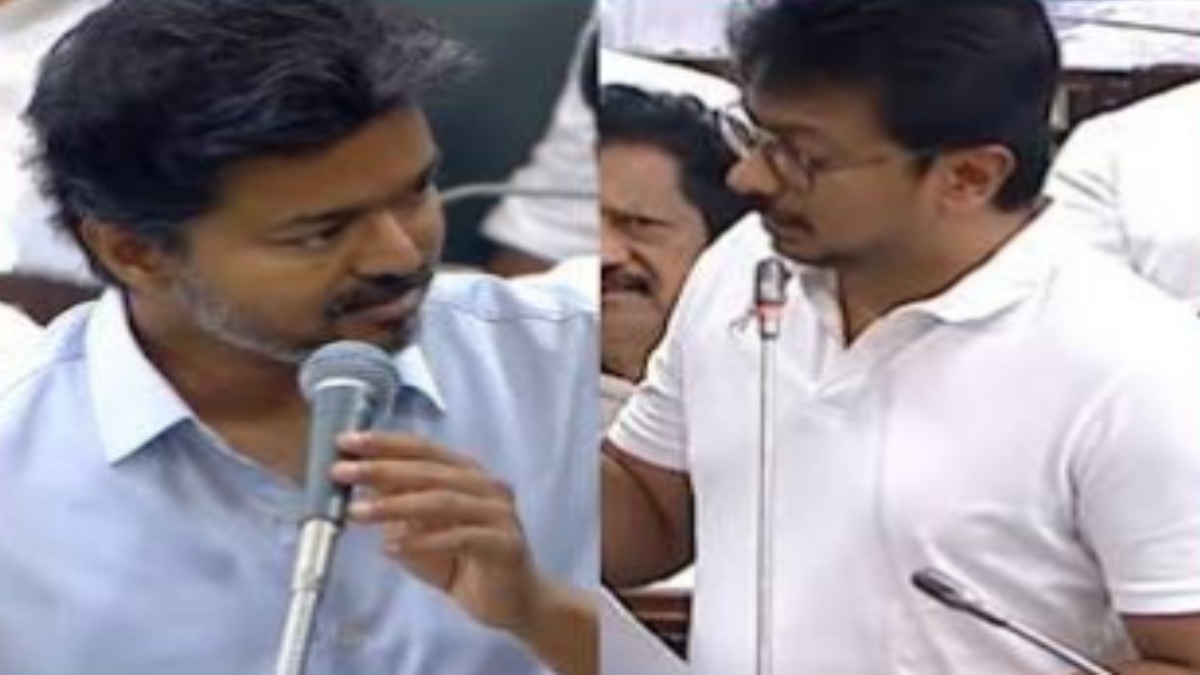
I think that approach has become one of Vijay's favourite (and most talked about) political styles and is one of the most important aspects of Vijay's political style. His critics might say it is calculated; supporters can also see it as being both a methodical and strategic approach. In fact, the contrast with more expressive political figures has helped create a distinct image for the Chief Minister.
Udhayanidhi Stalin in turn finds himself at the centre of political debates between the ruling class and opposition. As DMK leader and one of the party’s youngest faces, his political performances are closely watched. Every statement, response and Assembly intervention can potentially become part of the larger political narrative in Tamil Nadu.
A new political dynamic emerged in the state which is significant because opposition politics from the DMK has long been in the state. For more than 70 years the party has worked hard to make it to the top of politics and has always been able to take political battles to their opponents not just in the parliament but outside.
The arrival of Vijay's political movement has brought a new factor to that contest. Vijay has gained an amazing public profile from Tamil cinema but now his political life will require him to show more than mass popularity. Managing an opposition, responding to criticism, understanding legislative politics and holding a consistent policy position are very different challenges from talking to supporters at a campaign rally.
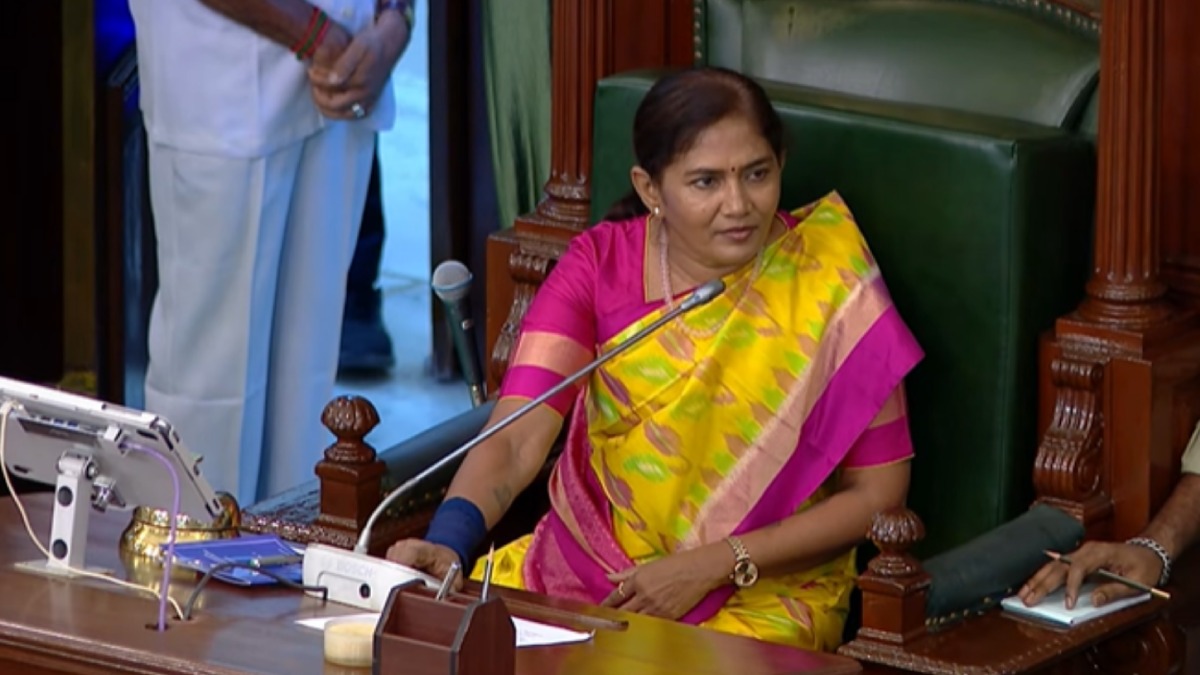
The Assembly could be especially important in this scenario. Politicians have a very different platform in legislative events as opposed to election campaigns. Campaign speeches are designed to win and to energise supporters and Assembly debates are to be addressed in real time by political leaders to answer questions, criticism and government scrutiny. The ability of a politician to remain composed under stress is therefore very important to their public image.
The prospect of greater visibility for Assembly proceedings could make these exchanges even more important. Live or wider public access to legislative debates can transform political arguments inside the House into major talking points outside it. Ministers and opposition leaders can quickly reach television audiences and social media users so there is no room in the Assembly for political messaging to remain in isolation.
As Vijay knows, the environment could be an opportunity to show that his political style goes well beyond the carefully prepared public appearances. But for Udhayanidhi and DMK it is particularly difficult, because it is to defend the party's records and political positions against a more aggressive opponent.
The next phase of Tamil Nadu politics could therefore become as much about communication as policy. Political leaders will not only be judged by what they say, but also how they say it, how they respond to criticism and if they can turn legislative confrontations into broader political momentum.
Vijay’s supporters are already portraying his restrained approach as a strength. The reasoning is simple: silence can sometimes lead to greater anticipation than constant commentary. A politician who does not respond to every attack can potentially choose the timing and subject of a response rather than getting involved in every political dispute.
At the same time, Udhayanidhi is a key figure in the younger DMK and has his own large political responsibilities. How he will deal with Vijay’s growing political influence will be one of the key questions that will be decided in the immediate future of the political contest.
The battle between Vijay and the DMK is therefore unlikely to be defined by a single speech or political exchange. It will probably be a series of debates, policy disputes, Assembly confrontations, public meetings and electoral strategies. Everything we encounter, every time we meet, will shape the perspective of both leaders.
What makes the situation particularly interesting, though, is the clash of political styles. Vijay’s supporters have argued that his milder and more deliberate approach is a strategic advantage and the DMK’s political machine represents decades of political experience in Tamil Nadu politics. The clash of a new political force with one of the state’s most established parties could play out in a very close political battle that could be one of the most closely watched political events in the upcoming years.
Indeed, whether Vijay’s political style can be translated into sustained electoral and administrative success will depend on much more than memorable repartees. Governance, policy delivery, organisational strength and consistency will be key to his political career and his long-term career.
Similarly, the DMK must be able to respond to the transformation of the new political environment in which traditional forms of opposition and campaigning are now a challenge and how it will move on from this new political landscape and evolve in the DMK will depend on its ability to adapt to that new political landscape.
For now, however, the political talks between Vijay and the DMK are getting much of the attention. Now that the Assembly debates are getting more and more public attention, the political arena is becoming more unforgiving. The next several years will provide Tamil Nadu voters with a front-row seat of a rapidly changing political contest, with Vijay and Udhayanidhi as two different approaches to the state’s next generation of leadership.