On August 27 and 28, 2026, skywatchers around the world are eagerly awaiting a rare celestial event as they prepare for a deep partial lunar eclipse. This is going to be quite deep, and the eclipse will be unusually deep, with 96.2% of the Moon entering Earth's darkest central shadow, the umbra. Because of the large portion of the Moon to be covered by the umbra, the eclipse will be very similar to a total lunar eclipse, but there will still be a few pieces of the Moon probably outside the darkest part of the umbra.
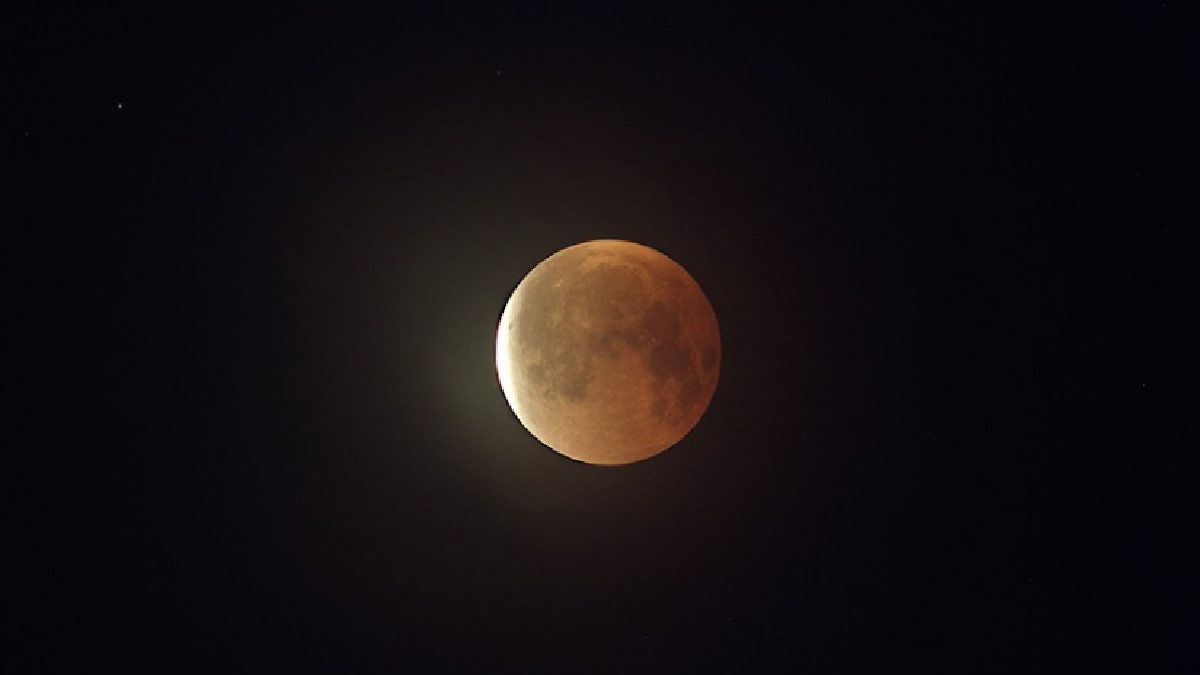
The lunar eclipse will happen when the Earth is directly between the Sun and the Moon, and the planet will cast its shadow on the Moon. In a partial lunar eclipse, only a portion of the Moon will be in the umbra of the Earth. The percentage of the Moon that will enter the umbra in the August 2026 eclipse will be very high, making it very interesting for astronomy lovers and skywatchers.
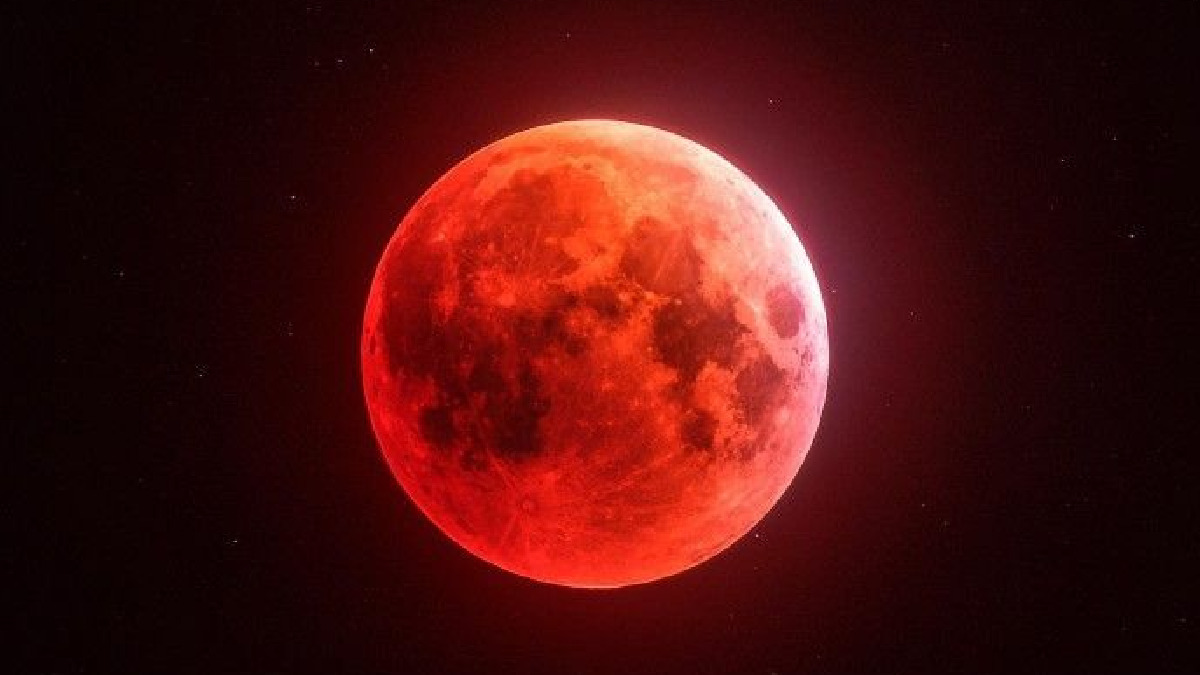
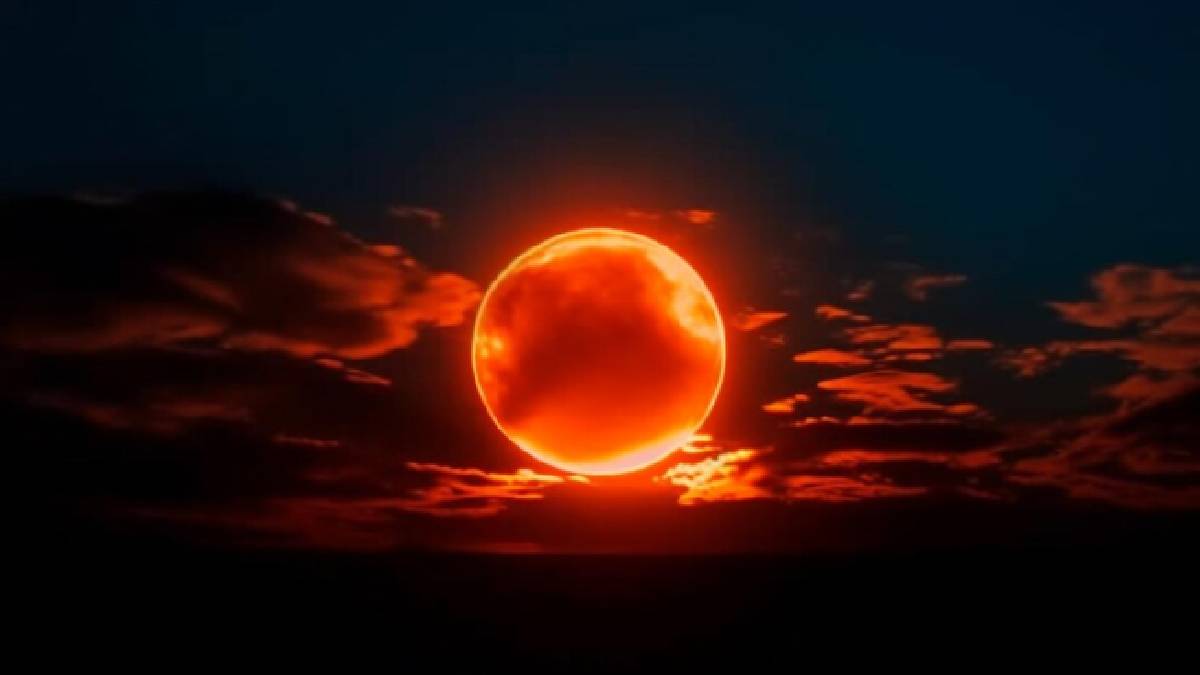
The reddish or copper colour of the Moon may be one of the most remarkable aspects of the eclipse. Sunlight from the Earth's atmosphere is sent to the Moon when the Moon passes through the umbra of the Earth. Light from this atmosphere filters and scatters shorter wavelengths of light, and the red and orange wavelengths are more effective in passing through. That colours the part of the Moon that will be covered by the eclipse reddish or copper, which is very typical for lunar eclipses.
Despite the excitement of the event, skywatchers in India will not be able to see the major stages of the eclipse directly from the night sky. The visibility region for the August 27-28 lunar eclipse includes parts of the Americas, Europe, Africa, and Western Asia. The timing of the event means that the main stages will not be visible from India. So astronomy fans in the country will have to depend on online telescope broadcasts to follow the celestial spectacle.
The deepest point of the eclipse is expected at 04:12 UTC on August 28, around 9:42 am Indian Standard Time. At this time, around 96.2% of the Moon will be in Earth’s umbra. Since this happens during daylight hours in India, the Moon will not be in the Indian sky in a way that viewers can see it directly.
For Indian viewers, online livestreams will provide the best opportunity to watch the eclipse. Timeanddate will provide live telescope coverage beginning at 02:00 UTC on August 28, which is approximately 7:30 am IST. Live coverage will follow the eclipse from places where the Moon is visible, and viewers can watch the different stages of the eclipse remotely.
Another option is to watch live astronomy projects on the Virtual Telescope Project. The project has been creating telescopes to observe big astronomical events (e.g., eclipses and planetary events) online and is known for live astronomy displays. The viewers can watch live broadcasts from their computers or mobile devices with no special astronomy equipment.
Unlike a solar eclipse, a lunar eclipse does not require special protective glasses to observe. The naked eye is generally safe to see a lunar eclipse from Earth because the Moon doesn’t produce its own intense light. But for people in India during this eclipse, it’s not just the safety of the eyes, but the visibility, because the main event will happen when the Moon is not observable from the country.
The August 2026 eclipse is particularly interesting because it is so deep and partial. With more than 96% of the lunar disk entering the umbra, only a small portion will be outside the darkest shadow at its peak. This is why it is an excellent time to look at the Moon’s appearance changing from Earth’s shadow to the Moon’s shadow.
Indian skywatchers will not be able to see the spectacle in the real sky, but livestreams will make it available to them. For many viewers, a smartphone, tablet, or laptop may provide the best seat for this month’s rare lunar show. The eclipse will be of interest to scientists and astronomy enthusiasts all over the world as the Moon passes through Earth’s shadow.