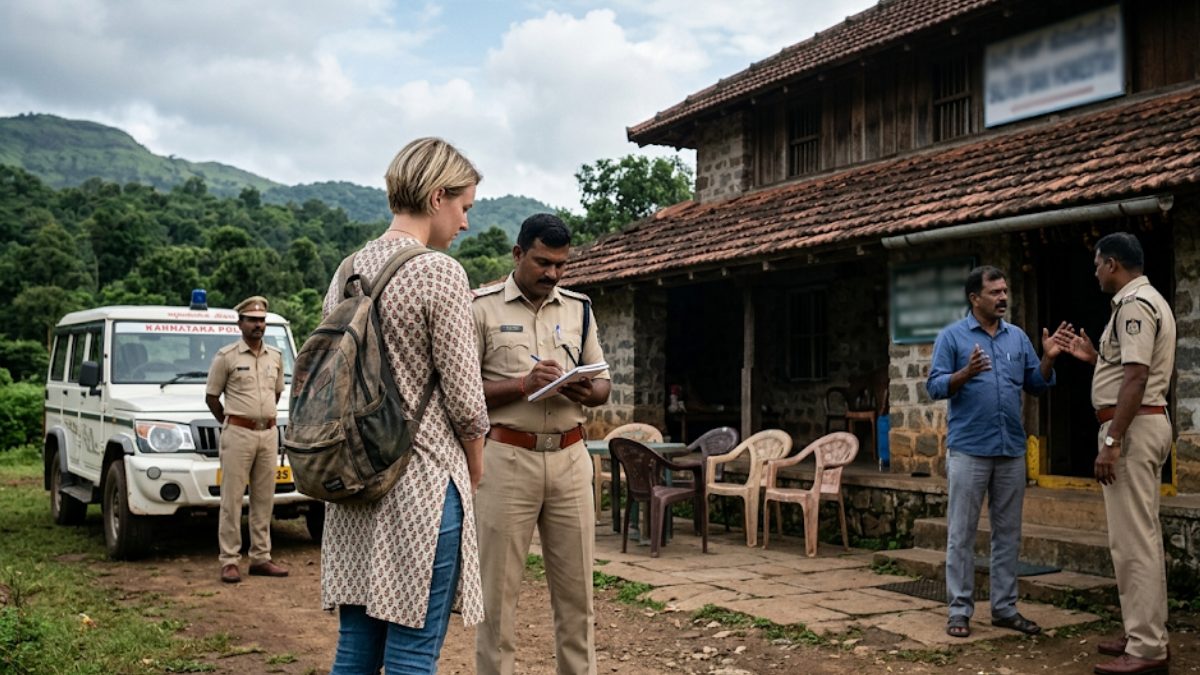
The rising summer temperatures in Karnataka are making residents anxious about what can be called a severe drinking water crisis, and an accompanying report published this week by the State Level Weather Monitoring Committee warning us of widespread shortages in what we are about to go through.
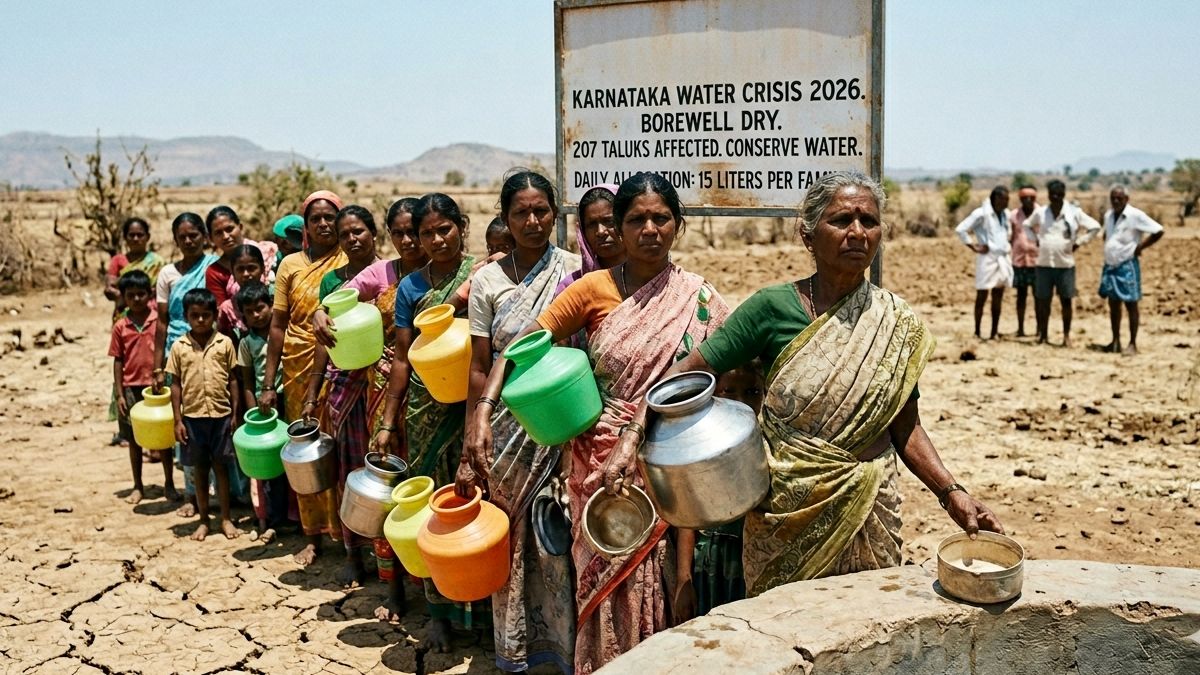
According to the report, 207 taluks in the state are likely to face water scarcity this summer. 60 taluks in particular are already experiencing acute shortages, suggesting a potentially acute crisis.
At least at grassroots level the issue appears far worse. It estimates there are 2,258 gram panchayats vulnerable to water shortages, of which 212 are already under severe shortage. This illustrates the scope of the problem facing rural communities and local authorities together.
Districts like Uttara Kannada, Belagavi, Kalaburagi, and Tumakuru have experienced large number of taluks affected by stress in all this. At the gram panchayat we observe Kalaburagi as the most badly affected district followed by Uttara Kannada, Haveri, Mandya and Belagavi.
The government has also activated emergency measures to alleviate the crisis by putting 60 water tankers in place in affected areas. Also, around 270 private borewells have been brought into operation in 246 villages to relieve the residents.

Experts are worried the situation could get worse as temperatures could remain above normal as March and May. The forecast for the monsoon season is also quite problematic - at levels of below-average rainfall for July and August are expected in both Krishna and Cauvery areas.
Since the projected rainfall deficit might impact agricultural production, lower crop yield would pose a further strain on farmers. At the same time, water scarcity could lead wildlife to enter human settlements in search of water.
Some health practitioners also predict that a long period of heat and water shortages would contribute to a surge in waterborne diseases and others among the population.
Hence, citizens have been encouraged to adopt water conservation methods during the hottest part of summers. At time it comes to Karnataka in the midst of its current crisis both government’s and public’s collaboration will help manage the situation of a crisis is more crucial together to manage people’s health.