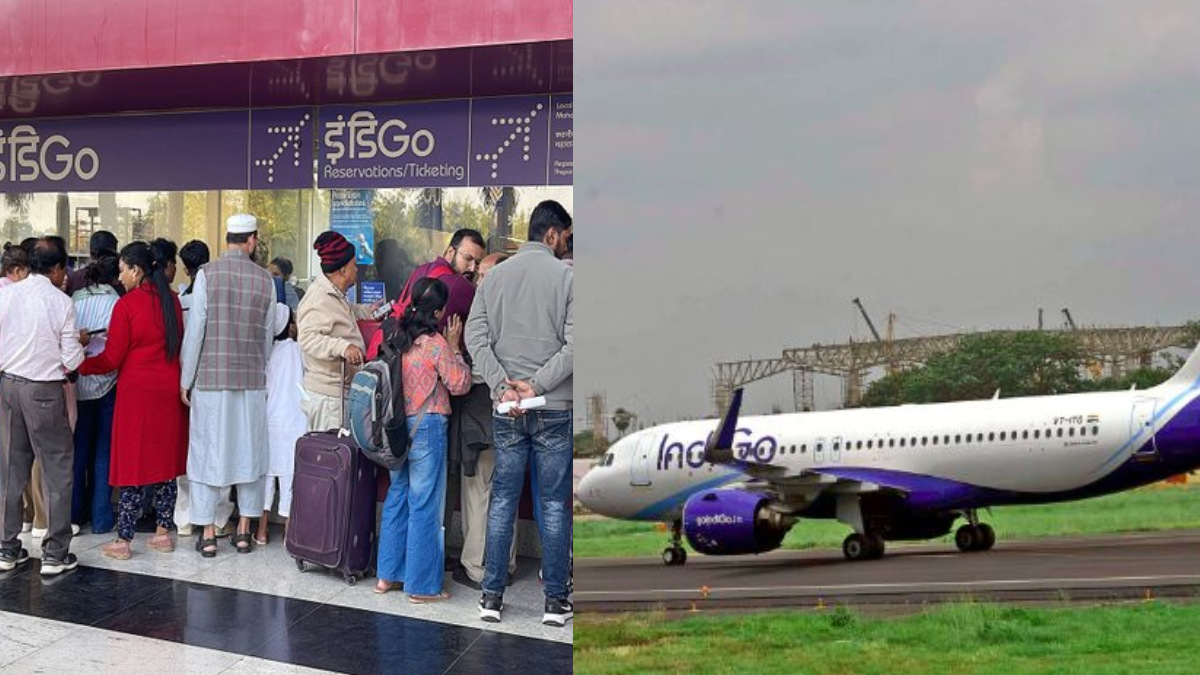
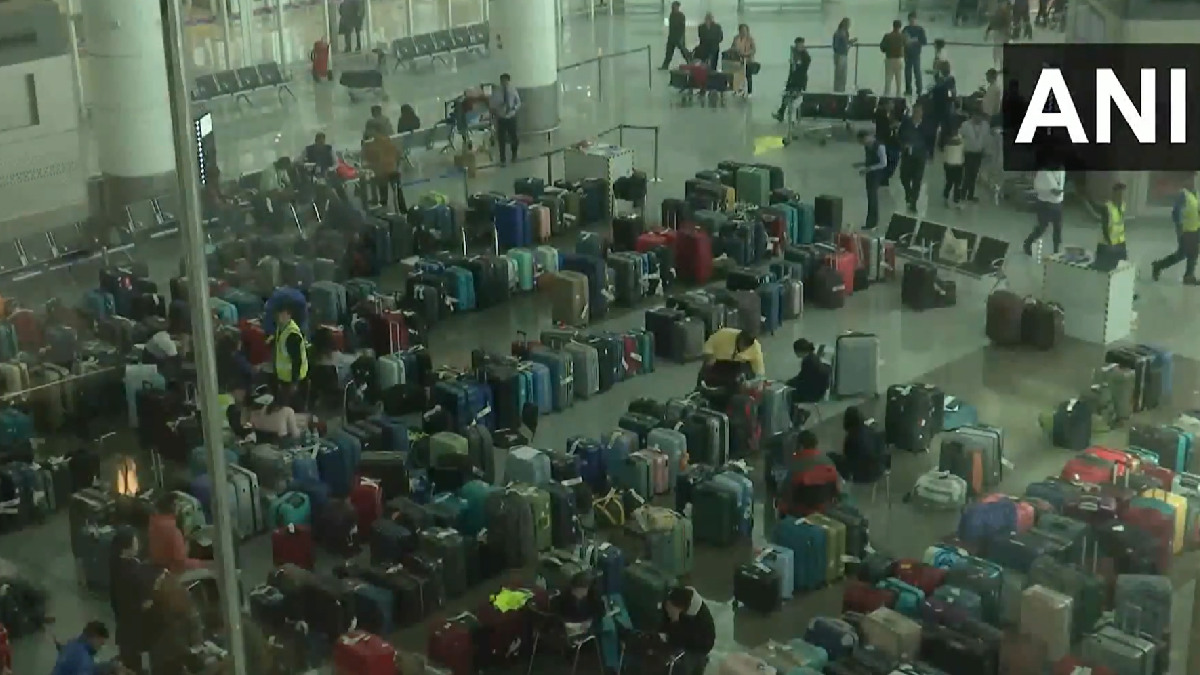
IndiGo, which has been the largest airline in India, has offered a series of commitments to respond to competition concerns raised by the Competition Commission of India (CCI) as it faces an anti-trust investigation over alleged unfair business practices during large-scale flight disruptions.
The proposed measures will enhance passenger well-being, transparency and fair competition in the aviation industry when airlines suffer severe operational disruptions due to technical issues (technical failures, weather conditions, airspace restrictions, etc.) or other unexpected events (e.g., air traffic).
IndiGo has made commitments before the CCI and has promised to initiate a Crisis Management Group (CMG) that will be in place for big disruptions affecting a large number of flights. A structured response mechanism will better coordinate operations, reduce passenger inconvenience, and better communicate with airport operators, regulators, and other stakeholders, it said.
One of the key proposals is the establishment of a passenger grievance redressal system for large-scale disruptions. The airline would like to provide more rapid support, timely updates regarding flight status, refunds, rebooking, and compensation in case of service disruption. The customer complaint system as well as compensation will be managed in case of crisis.
Another major commitment is in airport infrastructure. IndiGo has proposed that during exceptional operational disruptions, it will temporarily surrender or hand over airport slots to airport authorities in order to allow better utilization of the airport by other airlines, alleviate congestion, and preserve valuable landing and take-off slots while IndiGo struggles to return to its regular schedule.
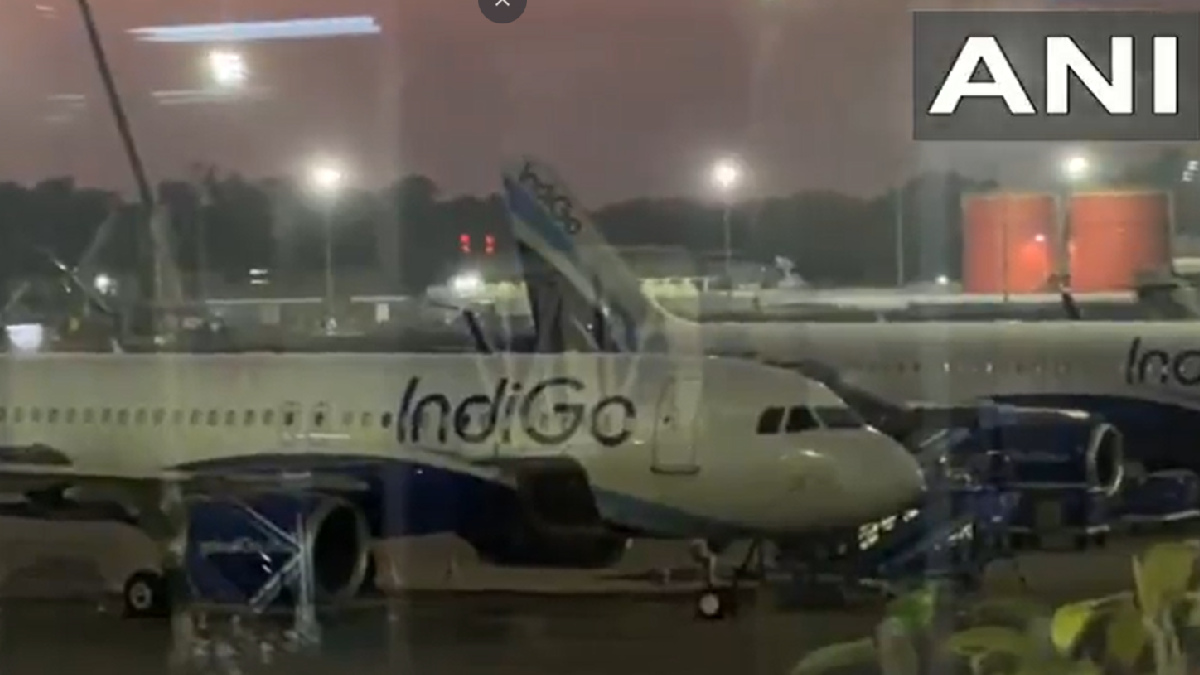
The proposal is a solution to one of the concerns raised by the Competition Commission that dominant airlines can unintentionally limit market access during operational crises by holding airport slots they cannot effectively utilize.
The CCI’s investigation is based on the possibility that some operational practices adopted during widespread disruptions might be harmful to competition where competitors may not be able to compete effectively, and consumers might not be able to choose. We believe IndiGo’s commitments are in response to competition concerns without lengthy lawsuits.
Experts say India’s aviation market is now very competitive, with airlines competing aggressively on pricing, network expansion and service quality. IndiGo is by far the country’s largest carrier and, in this regard, is crucial to maintaining service quality of domestic airline services. So any disruption of the airline will affect thousands of passengers and multiple airports at once.
The Crisis Management Group would probably consist of senior operational executives responsible for flight recovery, crew deployment, aircraft availability, passenger communication, and liaison with airport authorities. Such centralized decision-making might ease the revival of services to be revived more quickly during crises.
Passenger rights are at the heart of India’s aviation ecosystem, and there are long wait times, uncertainty with flight schedules, and delays in receiving refunds when disruptions occur. A dedicated grievance mechanism will greatly enhance customer experience by providing easier communication channels and better complaint resolution.
However, the proposal of airport slot surrender for temporary slots is welcomed by the aviation analysts. At India’s busiest airports, slots are crucial to efficient slot utilization. In case of a major disruption at airports, the airport authorities can give unused slots to other airlines for the same, and that will greatly streamline the operations and cut down on the schedule in the aviation network.
If accepted by the Competition Commission of India, these commitments may be included in a broader framework of airline conduct during extraordinary operations. For other airlines in India’s fast-growing aviation market, these measures could also set a precedent.
The outcome of the CCI investigation will be of great interest to airlines, airport operators, passengers, as well as other airlines and others in the civil aviation industry and will shape future rules for competition and practices. IndiGo has already made specific commitments to take steps against commercialization to balance business and passenger interests and fair market competition and to build confidence in India's aviation industry if it is to take on a more open and transparent business model and the business environment and the airport business model.