The digital realm has been the scene of a fierce cultural push and hold following images and videos, reels by an artist Ganga, that have made headlines for the latest controversies to unfold. Social media fans have been putting the influencer a furious down grade with accusations that, when challenged on this social media platform, she is using satire or ‘mockery’ of Hindu celebrations and holy rituals to rack up participation and views.
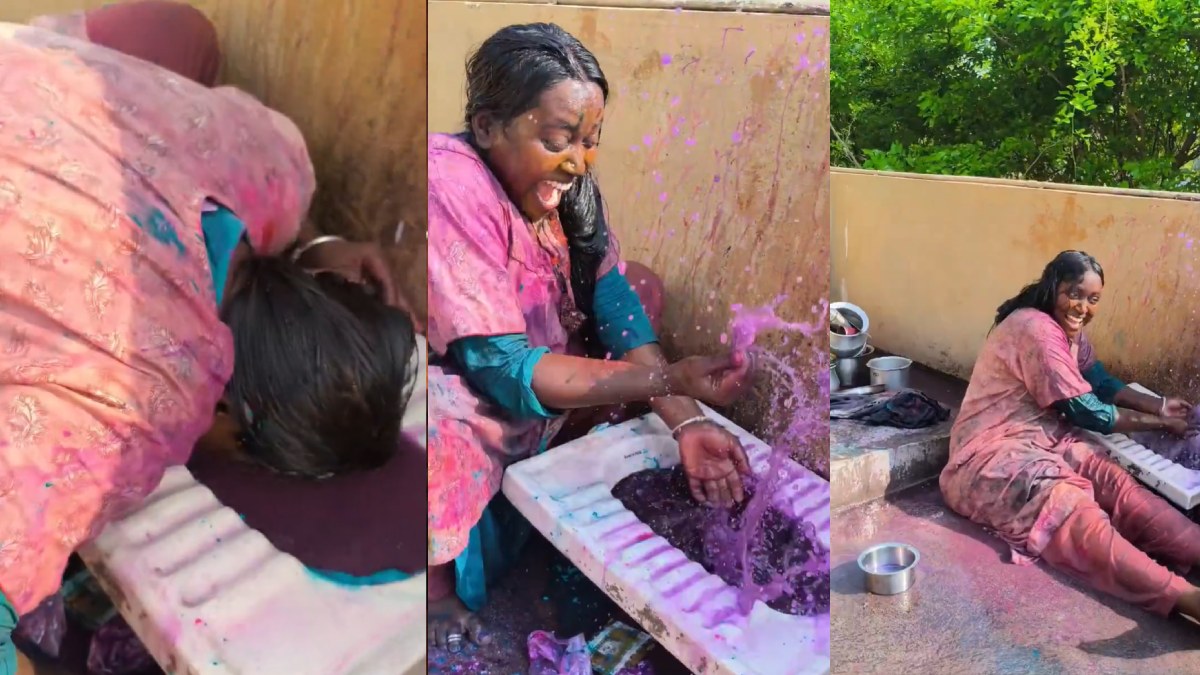
The controversy comes at a time when India celebrates Holi 2026 and millions are engaging in the familiar rites like Holika Dahan. But for many, these videos are not just forms of creative expression; they are a wholesale attack on the sacredness of centuries-old traditions.
The Source of Contention
Backlash hinges on certain reels, in which Ganga purportedly indulges in crassity and disrespectful representations of Hindu deities and festivals. Critics believe that while satire is an aspect of digital discourse, the "targeted mockery" of religious thought crosses the line and is more than the realm of satire, but crosses over into social poison. Two dominant arguments have dominated the online discourse:
- Selective Bravery: For example, a number of users have doubted why such influencers mainly use Hindu traditions to satirise content, wondering how much of the same "courage" is applied to the festivals and practices of other major religions.
- The "View-Farming" Culture: The trend of creators using contentious or offensive material as a shortcut to virality is increasingly seen as a recipe for frustration and anger. Critics say that “poisoning society” for the sake of algorithm-driven metrics is a perilous precedent for future content creators.
This woman named Ganga is posting disgusting, disrespectful reels mocking Hindu festivals and traditions just to farm views and reach. It's poisoning society and deeply hurting sentiments.
— ಸನಾತನ (सनातन) (@sanatan_kannada) March 4, 2026
Does she have the same courage to mock festivals of other religions in such a vulgar way?… pic.twitter.com/g2c9AOC1e9
More Than the Last 4 Months of Digital Legal Action
Although Ganga has not been criminally charged with the offense as of Wednesday, March 4, the incident echoes recent examples when law has weighed in on religious sensibility issues on social media platforms:
- Case of “Aamir” (2025): Earlier, a YouTuber located in Moradabad was arrested for wearing a sadhu costume and using derogatory terminology toward the Hindu deities.
- YouTuber Anvesh (2025): In December 2025, an influencer in Hyderabad was booked under the Bharatiya Nyaya Sanhita (BNS) and IT Act for pejorative comments on figures from Hindu epics.
Rejects the call for unity, the demand for sensitivity The attitude of the aggrieved community is one of "zero tolerance.” Highly vocal advocates for X (formerly Twitter) and Instagram are calling for a united response to what they call “filth” disguised as content.
"Mockery of all faith is not artisticistry but is merely character and cultural illiteracy," writes one great cultural critic. "When you're attacking a community's faith to ‘reach’ you're not an artist; you're an artist who's digital vandalism." In light of increasing debate online, digital rights experts say the Ministry of Electronics and Information Technology (MeitY) could come under more strain to make social media regulations more stringent on "harmful content" which directly targets religious feelings.
As of now, the influencer hasn't put out word of apology--the steadily increasing number of "Reports" in her account suggests that the content moderation team on social media has yet to come to blows.