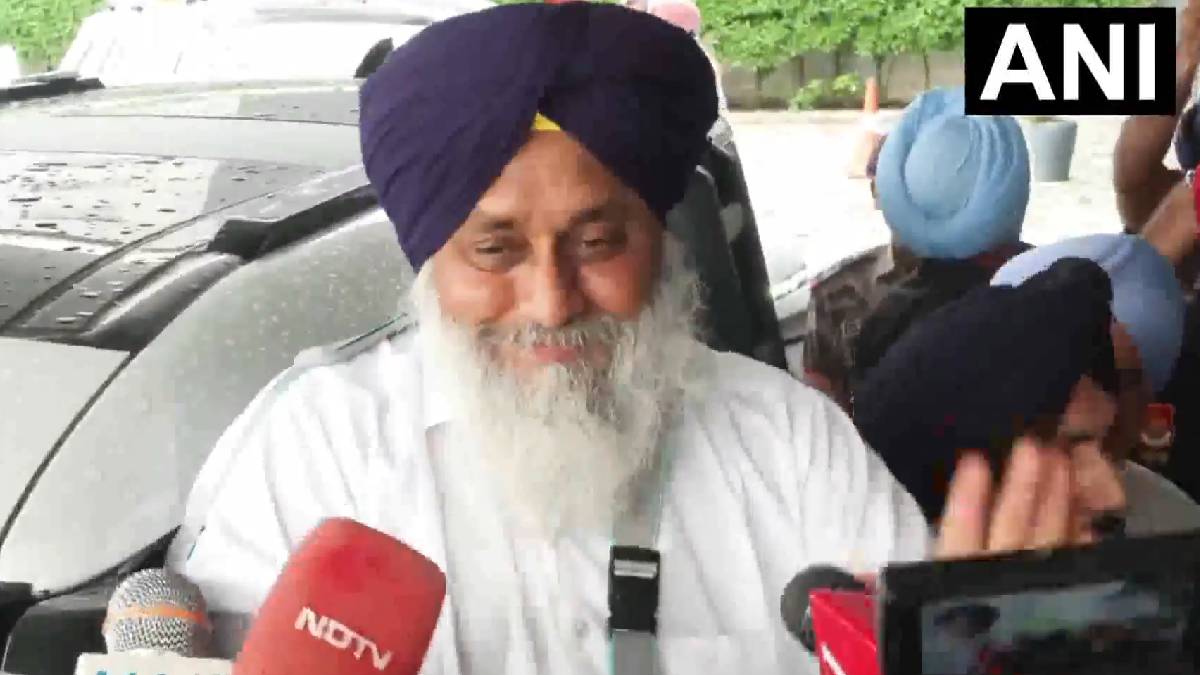
Though some of the best of this high-profile communications is on the public front, senior politicians such as Pappu Yadav have had it in high-profile news where leaders and activists have attacked him. It’s also been criticised for being pejoratively sexist and deeply offensive: “women’s political careers start in men’s rooms,” said.
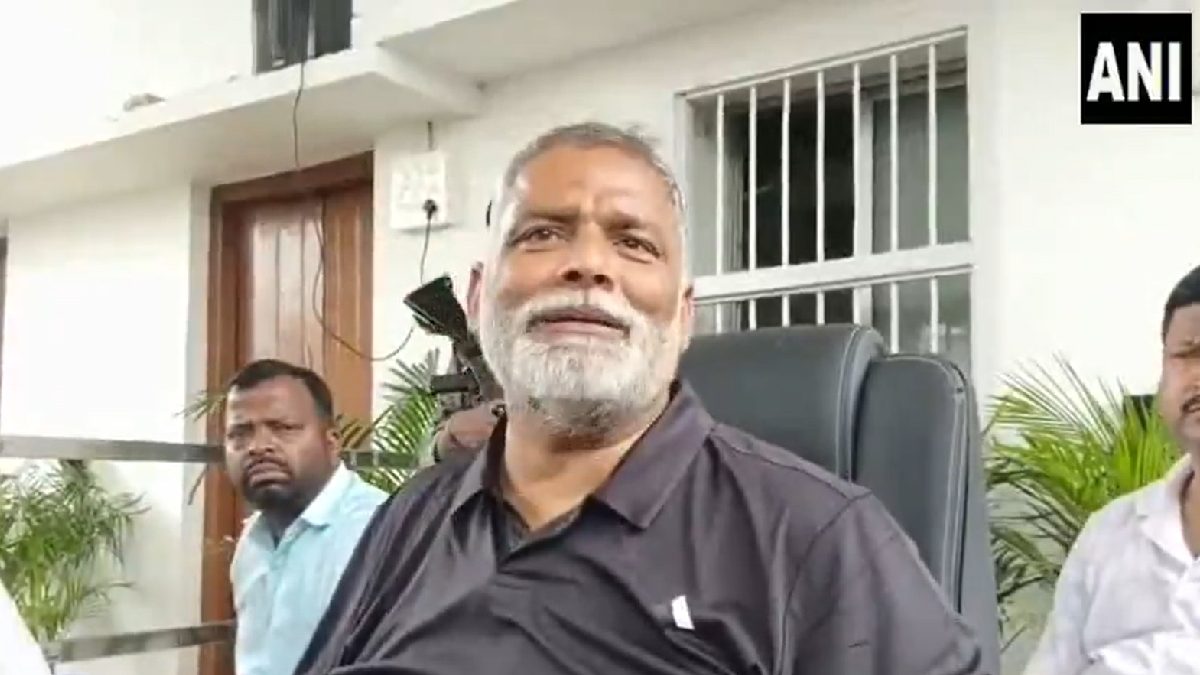
It’s one of those earlier public exchanges that got really turned on social media, people exploding and claiming they themselves were being held accountable.
That was its core criticism, and the women in politics, what it said was offensive, and what they said insulted women political, and stuff we say like that simply just make stereotype and lie about those others stereotypes about and denaturalise to them and make people deny their progress and what kind of real progress of politicians are they make of it, as their achievements.
#WATCH | Purnea, Bihar: Independent MP Pappu Yadav says, "...In India, women are called goddesses, but they will never be respected here. System and society are responsible for this...90% of women cannot do politics without entering the room of politicians..."
— ANI (@ANI) April 21, 2026
(20.04.2026) pic.twitter.com/WyHY4ZitUJ
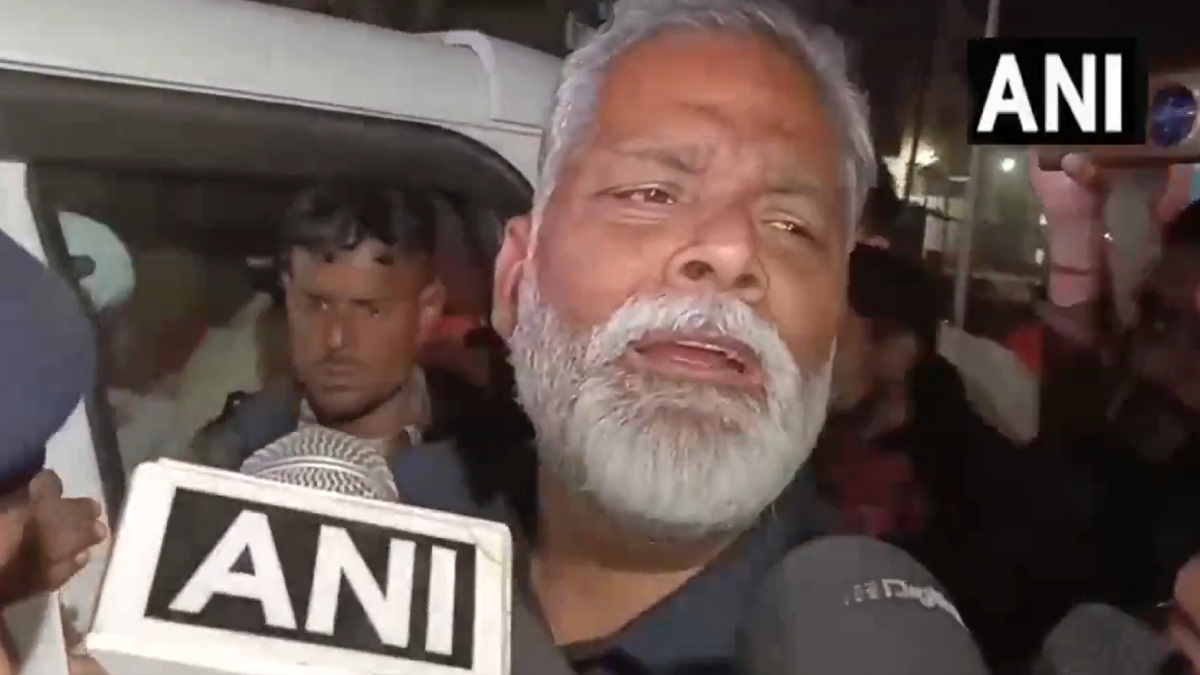
Many politicians and other figures across the spectrum were vociferously opposed to Yadav, calling for an apology to all of its representatives and leaders. Women are the primary concern, too. Commenting like this, they argue that in the context of our comments, women politicians in particular have criticised and described that retrograde attitude cannot be condoned anymore, as that is no longer appropriate in democratic discussion.
A lot was said (then and now, and still is and will continue to be) of women having fought for space, for time and for agency in politics and succeeded despite insurmountable barriers that have been social and institutionalised. Activists and other women’s rights organisations, as well, have added to that: Comments like these, they argue, dissuade women from engaging directly in public life.
And these comments, instead of promoting inclusive decision-making and equal opportunities, they insist, they have become deeply entrenched in misogyny and trivialised the very real situations women politicians are often found in. The matter is but an additional indicator of the larger problem of gender bias in Indian politics. Women are more popular, have a wider voice, but have much to overcome.
They are discriminated against, and they do not have much or any opportunity in society, and they are not supported by many different levels. Sadly, those voices are far more liable to shift attitudes in society than anything else, so that should also be a higher priority for leaders.
Supporters of Yadav believe this statement was misunderstood or distorted. Detractors, however, have denied such claims and argue that the wording was offensive for any reason, irrespective of intent. Yet the incident stirred a much longer discussion here, on a much harsher treatment of public life conduct in general.
Many do so because the political parties invoke it repeatedly, for the act of implementing punishments, and also to prevent it from happening again. Only one politician ever faced so many sweeping public condemnations over his statements in the name of women, but all 10 of the images in the clip are a reminder that this is a fight for women, it is a fight for equality in the public conversation between genders and all of us.
Analysts point to India’s progress. The country has made strides in increasing the number of women in a political body, but views about women politicians are still sorely skewed. Pappu Yadav is under some pressure from people who continue to rattle about the place to argue about his issue. The degree to which this may alter how the political conversation shifts from it is still very much up for grabs.