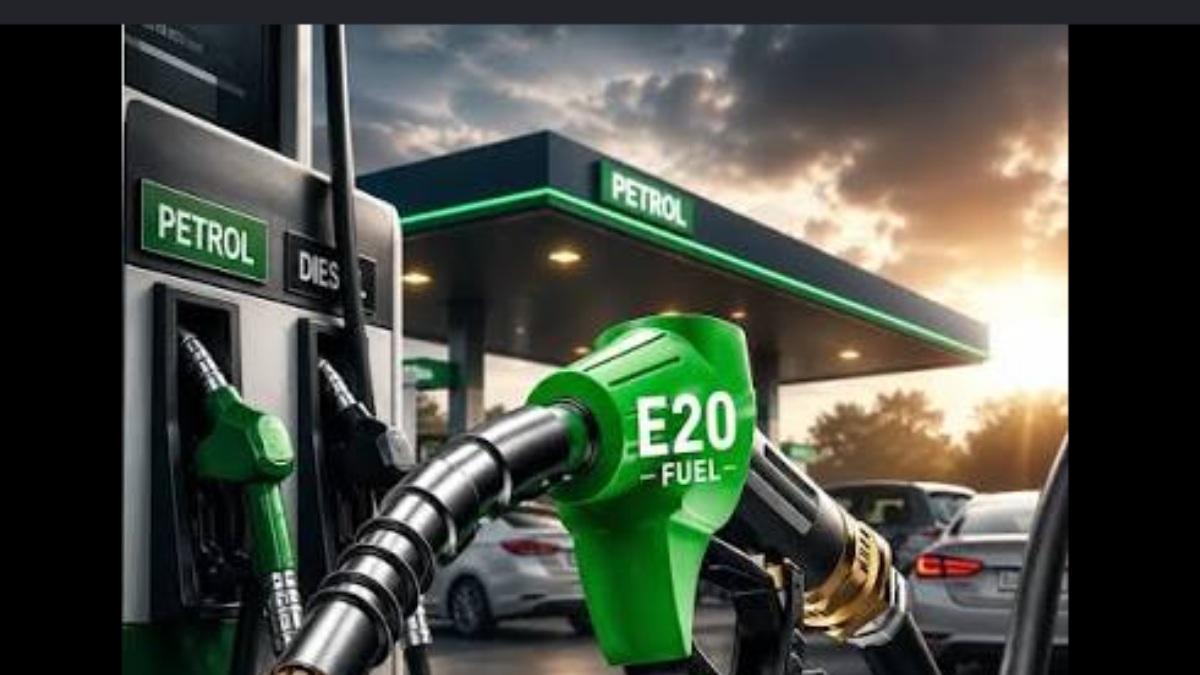
With India moving toward clean transportation fuels and a more sustainable transportation system, E20 petrol is becoming more widely available across the country. The fuel is made up of 20% ethanol and 80% petrol and drivers are now concerned about how it affects engine performance, fuel efficiency, and long-term health.
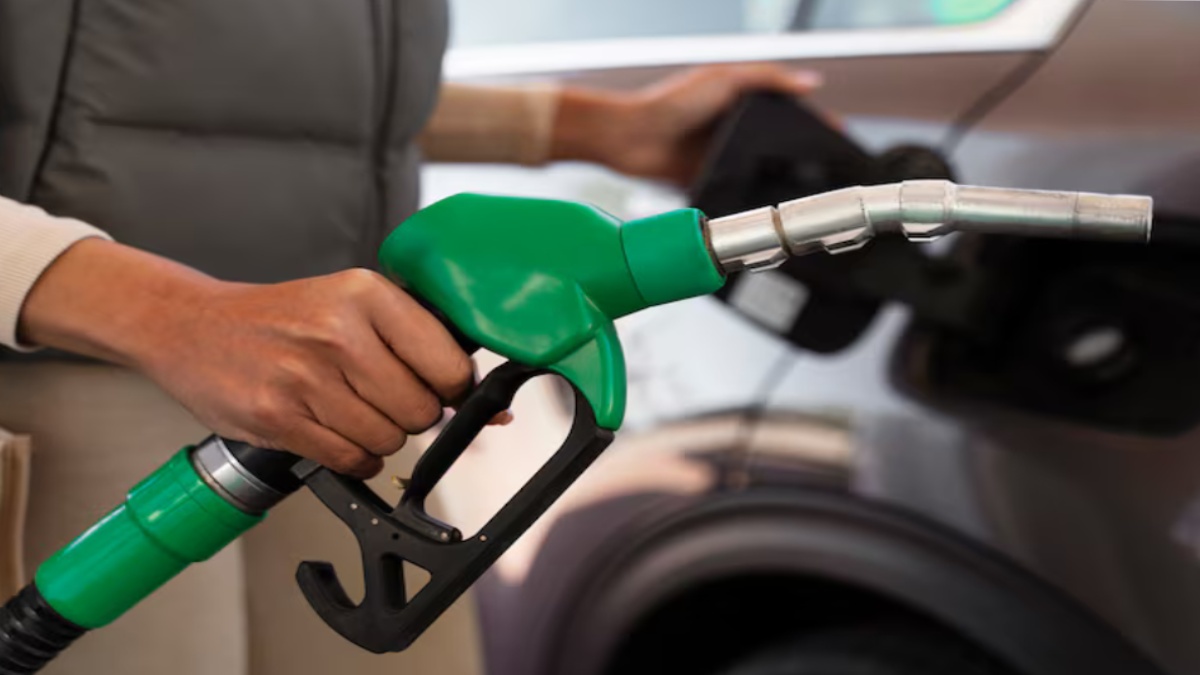
Though some drivers are reluctant to make the switch, automotive experts and manufacturers stress that E20 petrol has been scientifically tested and approved for use by vehicles manufactured or sold.
As opposed to what is generally believed, the main problem is not the ethanol blend per se, but bad fuel storage habits, most often leaving a vehicle with a tank that is nearly empty of fuel for a long time. Maintaining proper fuel levels and regular maintenance practices can significantly improve reliability and help ensure the vehicle performs as intended.
Ethanol is a renewable, plant-based fuel that can reduce dependency on fossil fuels and carbon emissions. By blending ethanol with petrol, governments aim to reduce greenhouse gas emissions, support domestic agriculture, and reduce crude oil imports. E20 fuel is being rolled out in India as part of clean energy and environmental sustainability objectives.
Before E20 petrol became available on the market, automobile manufacturers and regulators conducted extensive laboratory and practical testing of the fuel’s durability, fuel system compatibility, emissions, performance, and long-term reliability. As a result, most new vehicles that are E20 compatible can run on the fuel without any modification.
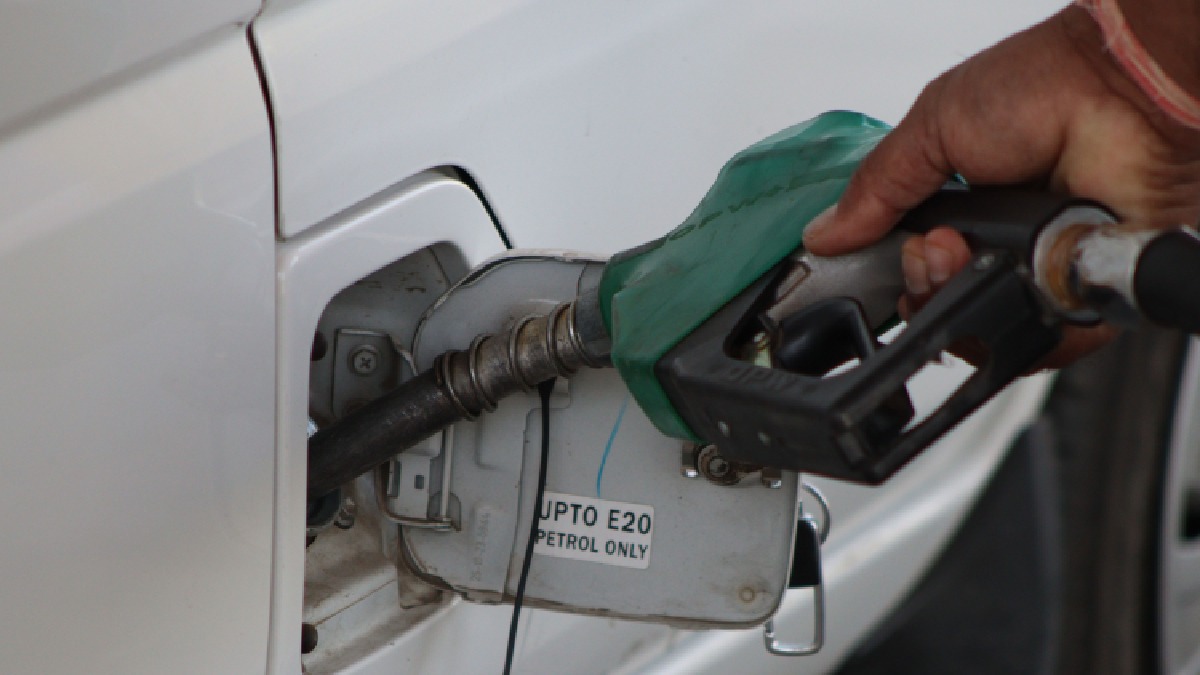
The most commonly discussed characteristic of ethanol is that it is hygroscopic (water-absorbing) as it can absorb moisture from the air around it. This property is well known and managed in modern fuel systems, but it is even more relevant if a vehicle is not used for long periods and a fuel tank is nearly empty. The air in the partially filled tank increases the possibility of moisture entering through condensation, especially in humid environments.
This issue is not limited to the case of E20 petrol, but ethanol-blended fuels may make fuel storage practices even more important. Keeping the fuel tank nearly full minimizes the amount of air in the tank, reducing the likelihood of condensation and moisture accumulation. This simple habit can help preserve fuel quality during extended periods of inactivity.
Another recommendation is to only refuel at trusted and authorized fuel stations. Reliable fuel outlets are generally better in terms of storage and quality control and require regular inspections to prevent contamination. High-quality fuel has a long-term effect on engine performance and protects the fuel system over time.
Routine maintenance is key to getting the most out of E20 petrol. Following the manufacturer’s suggested service schedule allows technicians to check fuel filters, fuel lines, injectors, and other components to ensure they remain in good working condition. When maintenance is done regularly, minor problems can be identified earlier so that they do not develop into costly repairs.
Some motorists have expressed concerns about reduced fuel economy with E20 petrol. Since ethanol contains slightly less energy than conventional petrol, some vehicles may experience a small reduction in mileage under certain driving conditions. However, experts emphasize that the difference is generally modest and is outweighed by the environmental advantages of cleaner-burning fuel.
The owner of older vehicles should check with the vehicle owner's manual or the manufacturer if the vehicle is compatible with E20 petrol. Most of the newer vehicles being sold in recent years were engineered to accept higher ethanol blends, while older cars may have different recommendations depending on the fuel system components.
The use of E20 fuel is also beneficial to India’s economy. Higher ethanol production would give farmers more chances to grow and produce food with agricultural feedstocks such as sugarcane, maize, and surplus grains. And it would help in rural income generation and in making India feel a little more secure in terms of energy security because of less dependence on imported crude oil.
Environmentalists note that ethanol-blended fuels can lower tailpipe emissions of some pollutants when implemented in compatible vehicles. E20 is not a complete solution to transportation emissions, but it is a key part of India’s overall trajectory to cleaner mobility alongside electric vehicles, hybrid technologies, and alternative fuels.
For motorists, the main takeaway is that E20 petrol itself is not the main concern. Good vehicle care, in the form of keeping the fuel tank full during long periods of inactivity, buying from reputable stations, and keeping up with maintenance schedules, will help to keep cars running reliably.
As E20 petrol becomes more widely available in India, customer awareness of fuel handling and vehicle compatibility will help consumers make informed decisions. If E20 is used in properly maintained and compatible vehicles, then the associated emissions are controlled, and the future of transportation is cleaner.