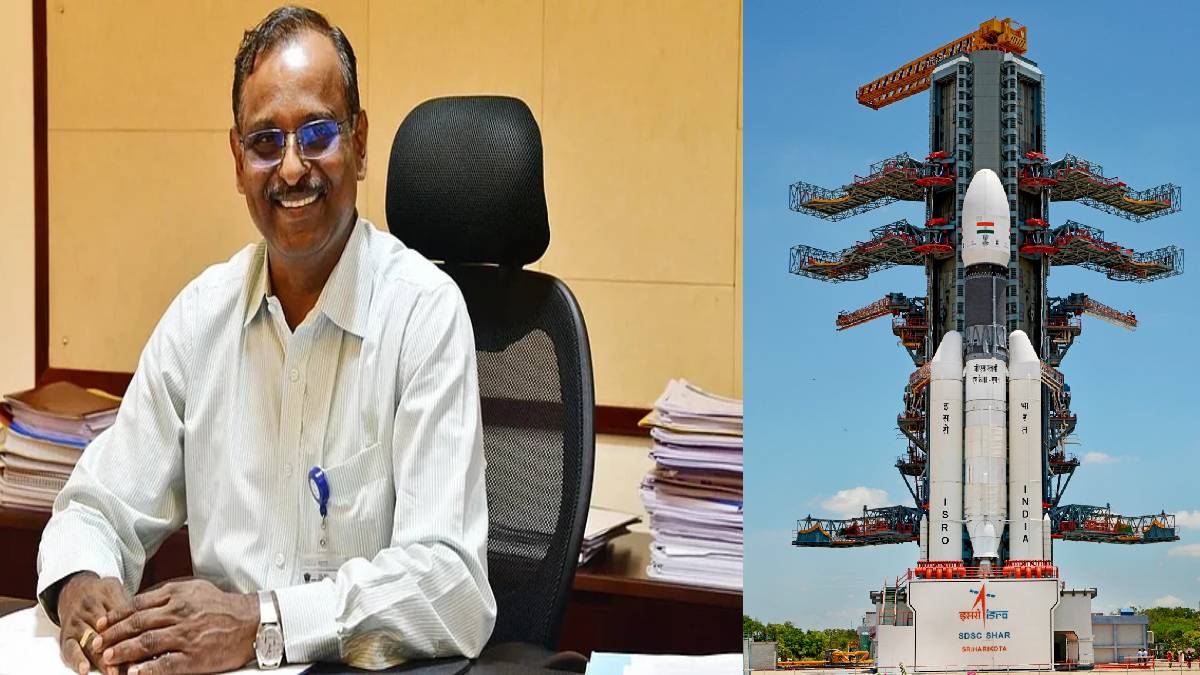
India will target an 8–10% share of the global commercial space market over the next decade for its space sector transformation from a government-led space program to a globally competitive commercial space powerhouse. The ISRO Chief’s decision to take this step shows confidence in the country’s technological capabilities, the expansion of private sector participation, and the future of the space sector.
The global space economy has been rapidly growing in recent years as satellite communications, Earth observation, navigation services, launch vehicles, satellite broadband, and in-orbit services have been in demand. The commercial space market is estimated to be worth well over $1 trillion by 2035, and there are huge economic opportunities for countries with strong technology ecosystems.
India currently accounts for just a fraction of the world's commercial space economy despite the incredible achievements of the nation in space exploration. Projects like Chandrayaan-3, Aditya-L1, and the ongoing Gaganyaan Human Spaceflight Programme have made India an extremely reliable and cost-effective space nation. This new goal will help turn these discoveries into commercial success by putting India in the international space industry.
The ISRO Chief said an 8–10% share would require close cooperation between ISRO, private space companies, startups, academia, and industry partners. The government has already initiated major reforms by opening the space sector to private enterprises and establishing IN-SPACe (Indian National Space Promotion and Authorization Centre) to enable participation from non-government entities.
There has been an explosion of Indian space startups in recent years, where companies build launch vehicles, satellite platforms, propulsion systems, Earth observation solutions, and satellite communication technologies. These startups attract a lot of investment from both the domestic and international ecosystems and create a lot of new opportunities for innovation and jobs.
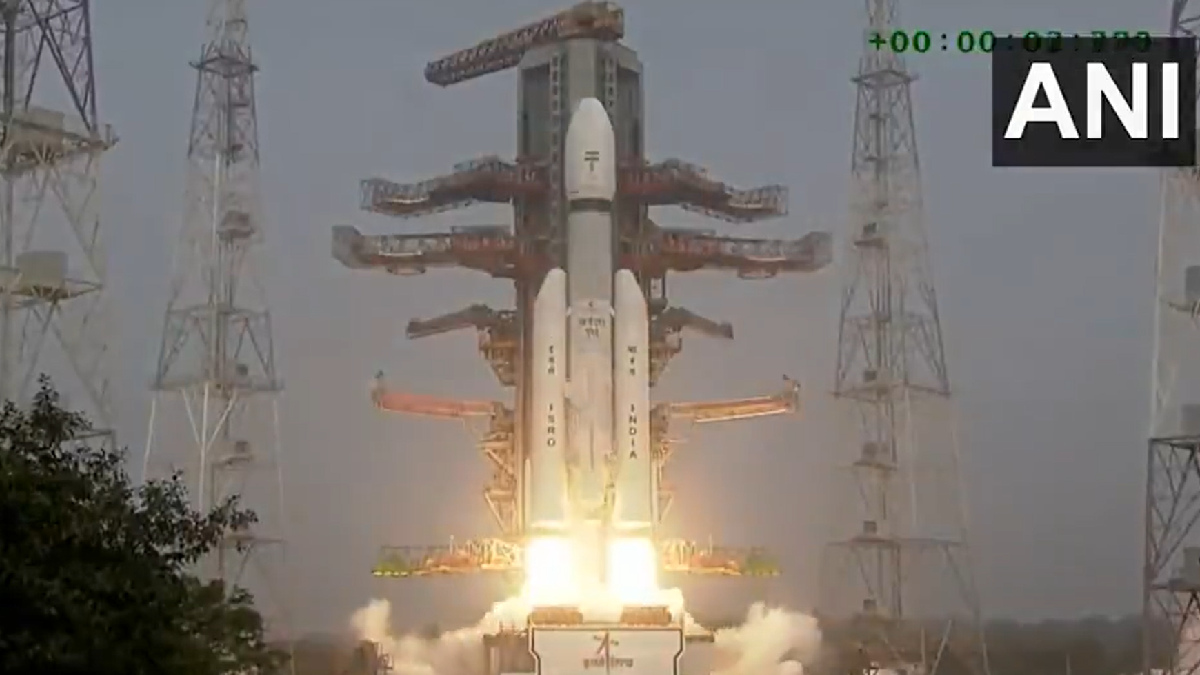
India's commercial space ambitions are also supported by NewSpace India Limited (NSIL), the commercial arm responsible for marketing ISRO technologies and launch services globally. NSIL would be key to India's global market presence along with private launch providers and satellite manufacturers.
The cost-effective engineering in India is one of its greatest competitive advantages. ISRO has a reputation for delivering reliable launch services and complex space missions for a fraction of the cost of many international competitors. This affordability, combined with better technology, makes India an attractive partner for satellite launches, manufacturing, and space-based services.
The government is also investing in modern space infrastructure, and indigenous manufacturing and research in advanced technologies like reusable launch vehicles, small satellite platforms, satellite constellations, artificial intelligence for space applications, and deep space exploration are being advanced. These steps can be put into place to make India competitive in the rapidly evolving global space industry.
International partnerships will also play a decisive role. India has now been collaborating with many countries and international space agencies through satellite launch programs, scientific collaborations, technology sharing, and commercial agreements. The world is changing, and the politics of the supply chain for space is changing; India is now recognized as a trusted place to find reliable and affordable space solutions.
Experts say that hitting an 8–10% share of the global commercial space market would bring with it a lot of economic benefits for India—billions of dollars in revenue, thousands of high-skilled jobs, increased foreign investment, and increased technological self-reliance. It would also enhance India’s position as one of the world’s leading space powers and help to advance the larger vision of its development as a global innovation center.
If it can be achieved with a lot of investment, policy support, and continued technological progress, India is well positioned to become a major player in commercial space. With ISRO's expertise, a growing startup ecosystem, government reforms, and the country and the world at large now with huge international demand for affordable space services, India will be able to convert space achievements to long-term economic growth and global leadership.