The recruitment crisis in Jharkhand has taken a further turn since the Jharkhand High Court stopped the process of government notifications cancelling the appointments made through the 11th and 13th Jharkhand Public Service Commission (JPSC) exams. Activists have accused the Hemant Soren-led government of not defending this decision in court.
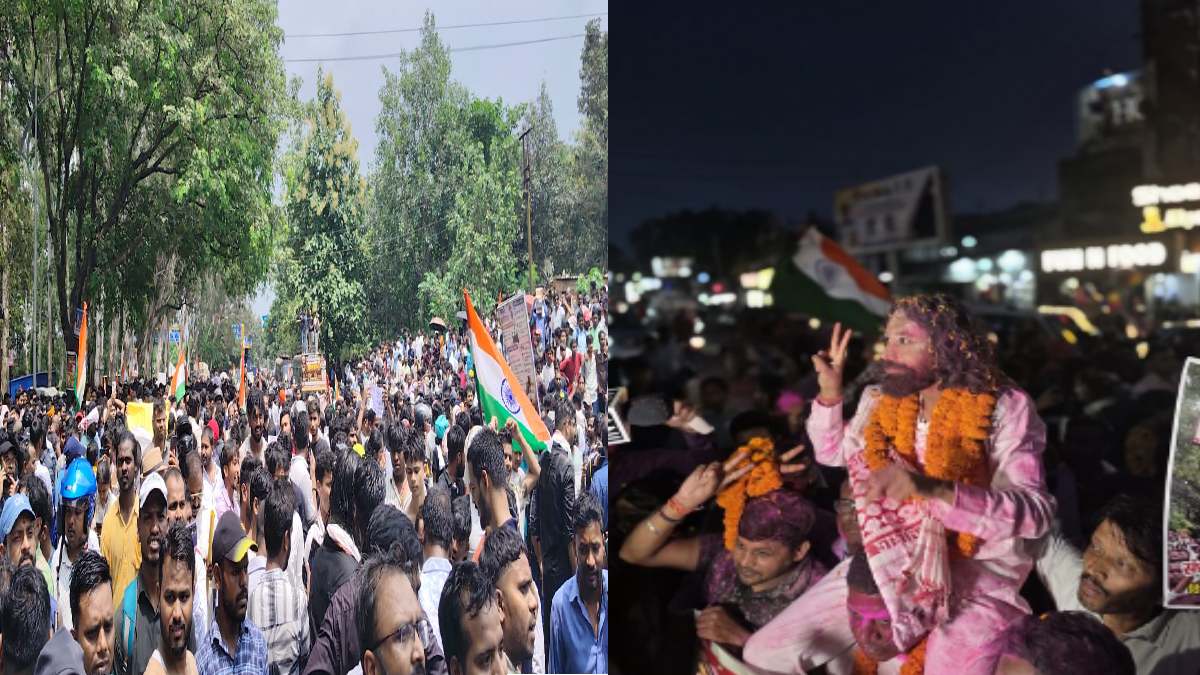
The development comes in the wake of 26 days of protest by students and job aspirants at Ranchi’s Jaipal Singh Munda Stadium. A protest from the JPSC-JSSC Reforms Manch was staged which asked for more transparency to be done on government recruitment exams. Now protest leaders say the government’s actions before the High Court raise questions about its intentions.
Manch leader Kunal Pratap Singh alleged that the government did not put up a strong legal defence of the decision to cancel the appointments. “Neither the Advocate General nor a senior advocate appeared before the High Court to defend the government’s position during the hearing.
“Neither the advocate general nor any senior advocate appeared in the High Court to defend the government’s stand of cancelling the recruitment exams,” Singh claimed. He claimed the lawyers who came forward did not make any strong arguments in favour of the cancellation decision. Terming the situation a “trap,” he said the government’s actions were being taken to bring the students’ long-running protest to an end.
हाईकोर्ट के आदेश के बाद प्रतिक्रिया।#DevendraNathMahto #jharkhandstudentprotest#JharkhandProtest pic.twitter.com/MiZCclt5QZ
— Devendra Nath Mahto (@DevendraNathMa9) August 21, 2026
Another Manch leader, Ravindra Paswan, also accused the government of misleading thousands of job aspirants. “The protesters initially believed the government’s decision was intended to remedy the problems and make the recruiting process more transparent,” he said. The High Court’s intervention has forced students to question whether the government is serious about pursuing the matter.
Paswan announced that the organisation would burn effigies of Chief Minister Hemant Soren in all 24 districts of Jharkhand. The proposed protests are going to keep the recruitment controversy alive and put additional pressure on the state government.
What the Jharkhand High Court Order Says
The Jharkhand High Court has stayed the operation of notifications cancelling appointments made through the 11th and 13th JPSC examinations. The court also stayed the order concerning the cancellation of appointments of food safety officers.
But the court's order does not mean that candidates accused of wrongdoing have been given a permanent clean chit. If an investigation establishes foul play in the appointment of any candidate, that person could face consequences, including losing the government position.
The status of the appointments will be determined as the investigation continues and depending on the outcome of the legal proceedings. This has given temporary relief to the candidates affected by the government’s cancellation orders but has not resolved the question of recruitment irregularities.
Students Say Fight Against Irregularities Will Continue
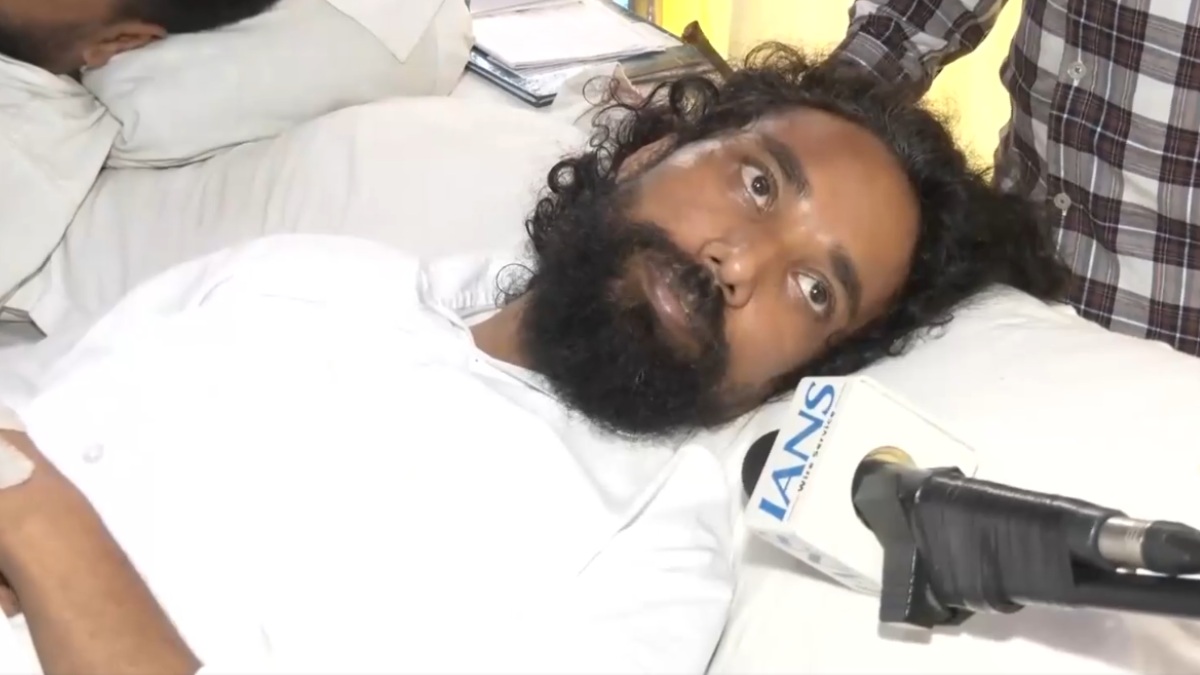
JKLM leader Devendra Nath Mahto, who ended his 16-day hunger strike, said the High Court's intervention was welcome and stressed that students would continue to press for their demands. Mahto said deserving and innocent candidates should receive justice but that there should be no compromise in corruption and irregularities in recruitment.
The two divergent responses highlight the complexity of the dispute. A group of aspirants are asking for action against alleged irregularities, but the ones selected through the affected exams are seeking protection of their appointments. And the High Court’s stay has temporarily settled things but has not resolved the underlying dispute.
How the Recruitment Row Escalated
The latest controversy follows the Jharkhand government’s decision to cancel 22 exams and to investigate 23 other examinations performed since 2014. The move was an attempt to put an end to the long-going student protest against the state’s recruitment system.
But this opened up another round of protests soon after. Candidates who had passed the 11th and 13th JPSC exams and were subsequently approved for appointments argued they should not be punished for wrongdoing if they were not involved in any malpractice.
The High Court’s stay has enabled those affected candidates to stay in their government positions for now. Meanwhile, the investigation of the recruitment process is still significant, particularly in determining whether individual appointments were affected by any foul play.
The dispute is far from over. The government has to balance the need for a clean and transparent recruitment system with the rights of those who got the exam-based appointments. Many students and job aspirants will be closely monitoring the next stage of investigation and court proceedings to get a sense of what the future of government recruitment in Jharkhand is going to look like for them.