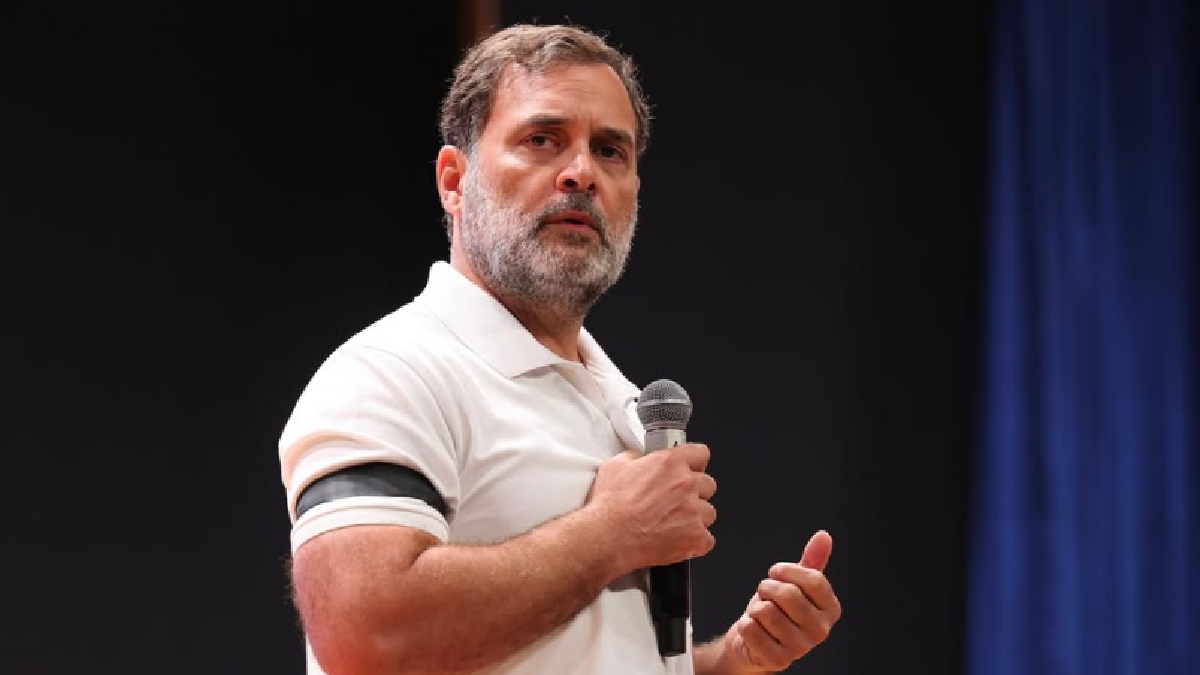
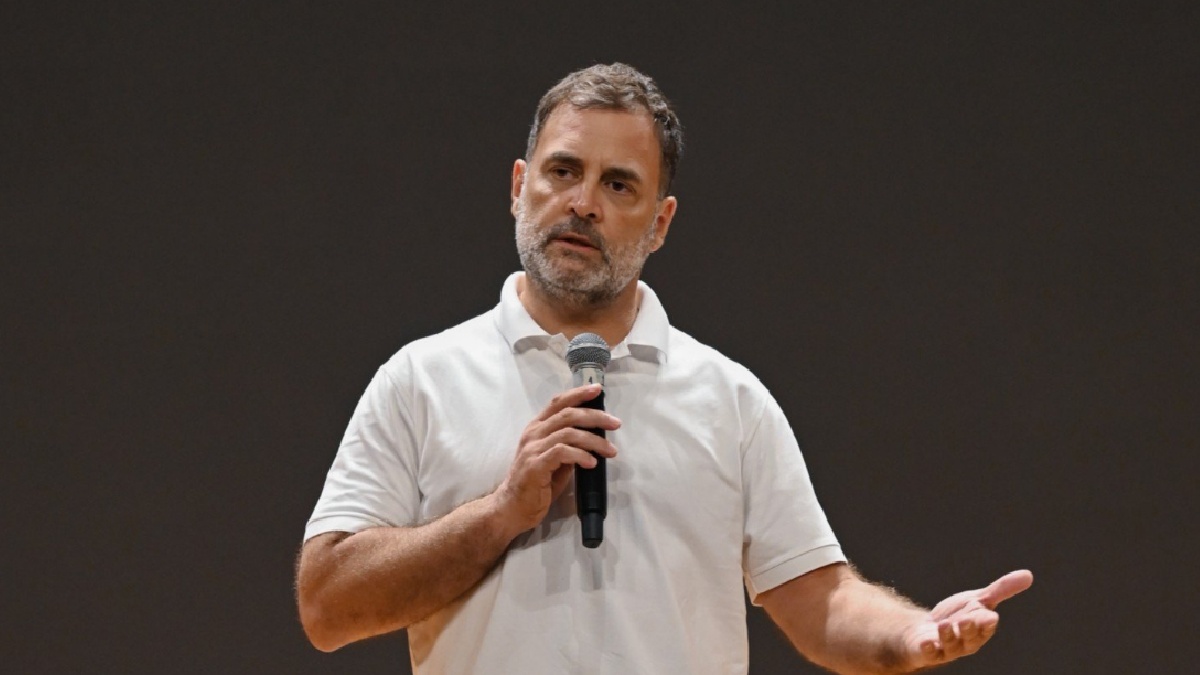
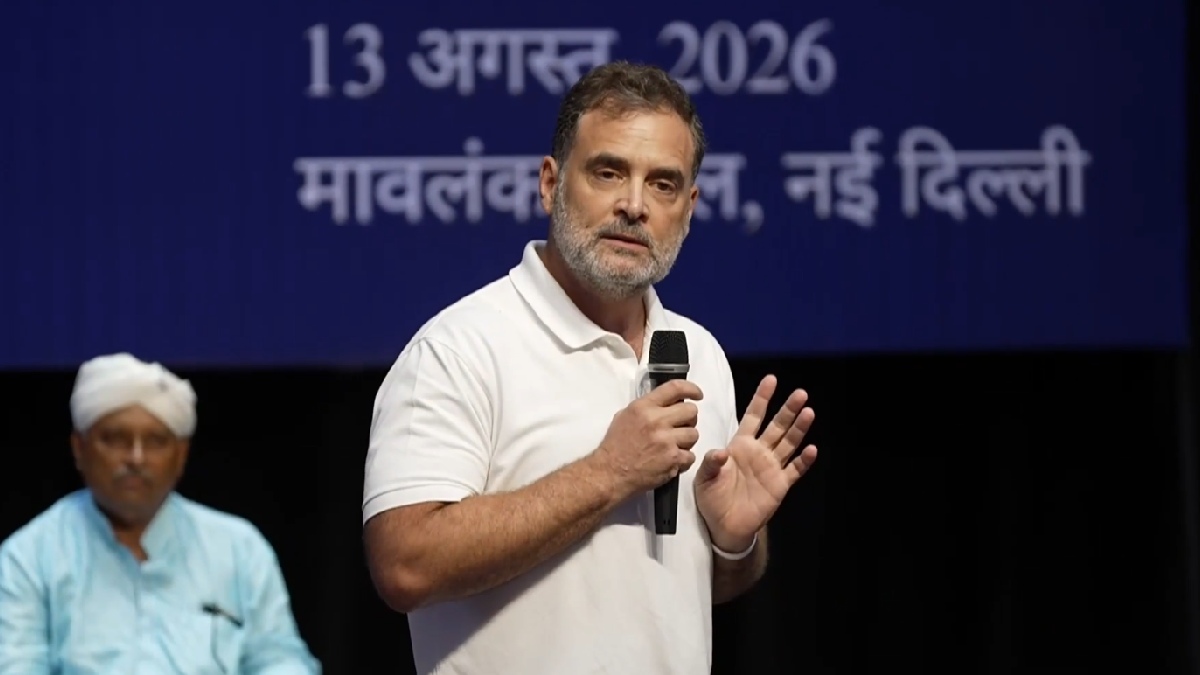
Rahul Gandhi, Congress leader and Leader of Opposition in Lok Sabha, yesterday welcomed the consensus reached between student protesters and the Hemant Soren-led Jharkhand government, calling dialogue the “right way to resolve grievances.” The state government announced major changes in recruitment exams, leading protesting students to abandon their hunger strike.
The Jharkhand government announced on Monday night that the Jharkhand Staff Selection Commission Combined Graduate Level (JSSC-CGL) examination would be cancelled. It also announced the cancellation of recruitment examinations conducted by outsourced agency TSR Data Processing Pvt Ltd (TDPL) since 2014. Some of the key demands raised during a prolonged student agitation in the state.
Gandhi commended the Hemant Soren government for dialogue rather than confrontation. He also thanked the students for restraint in their long-drawn out agitation and hunger strike.
Gandhi said a consensus had been reached between the students and the state government and that it was encouraging to hear that the students had ended their hunger strike. He gave credit to Chief Minister Hemant Soren and the Jharkhand government for choosing dialogue and finding a possible solution for the students’ problems.
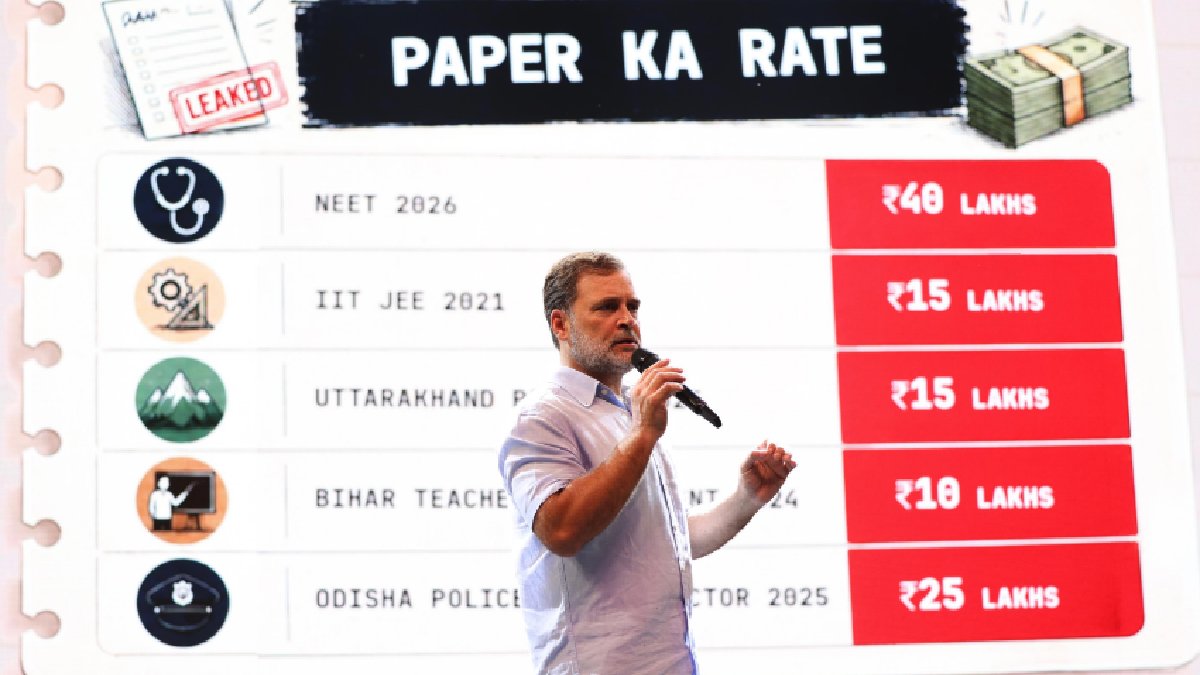
The Congress leader also used the development to reinforce his broader argument that students should have their grievances heard and addressed. In the case of exams, recruitment and fairness in particular, Gandhi said governments should respond to the young people rather than leave their issues open.
“This is the right way,” Gandhi said, stressing that students who raise questions should receive answers. He said his party stood with students across the country and said the recruitment system needed to be reformed so that candidates received the full benefit of their hard work and had access to fair competition.
The Jharkhand student protest had been ongoing for over 25 days, and centred around the recruitment examination system in the state. Student leaders had been demanding action over exams and recruitment agencies, with the JSSC-CGL exam being one of the main flashpoints.
The state government’s decision followed a special Cabinet meeting on Monday. Student leaders Devendra Nath Mahto, Umme Habiba and Rahul Kranti ended hunger strikes following the announcement in a significant change in the agitation.
In addition, Chief Minister Hemant Soren also announced that an exam reforms committee headed by senior IAS officer Amitabh Kaushal would investigate the recruitment process and recommendations for improving the quality of exams will be made. This will be done to bring transparency and to prevent any irregularity in recruitment exams.
The government has also said it would overhaul the examination system and impose strict laws against unfair means in recruitment exams. Such measures could be critical to restoring the confidence of candidates who depend on government exams for jobs.
The decision of the government has also raised concerns among other candidates. In fact, some 2,000 people could be affected by the cancellation of exams, and the decision will put their employment prospects at risk. In this way, although the government’s decision has fulfilled a core demand of the protesting students, it will also create new challenges for candidates who were expecting the recruitment process to go on.
The developments have put the Jharkhand government in an extremely tricky position. Cancelling contested exams or promising reforms may help address the concerns of protesting students, but a lot of candidates who have already spent time and effort on the recruitment process will find themselves at risk.
झारखंड के छात्रों और राज्य सरकार के बीच सहमति बनी, और छात्रों ने अपनी भूख हड़ताल समाप्त की - यह ख़बर सुनकर बहुत खुशी हुई।
— Rahul Gandhi (@RahulGandhi) August 18, 2026
मुख्यमंत्री हेमंत सोरेन जी और झारखंड सरकार ने बातचीत का रास्ता चुना, और समाधान निकाला। छात्रों ने संयम रखा, और अपनी बात मनवाई।
यही सही तरीक़ा है - छात्र… https://t.co/MCDYdkM8Ws
Gandhi’s Jharkhand episode is evidence of the importance of dialogue in addressing disputes between students and governments. His comments also fit into his larger political agenda of examination integrity, employment prospects and the need to make sure young people are not left behind by recruitment failures.
Now the focus is on implementing the promised reforms and recommendations of the exam reforms committee. The government must also communicate well with affected candidates on the status of cancelled exams and future recruitment.
The Jharkhand episode could ultimately become a test of whether dialogue can lead to lasting improvements in the state's recruitment system. The student agitation has been stopped for now, but the next steps of the government on examination reform, transparency and treatment of the affected candidates will determine if the existing consensus turns out to work.