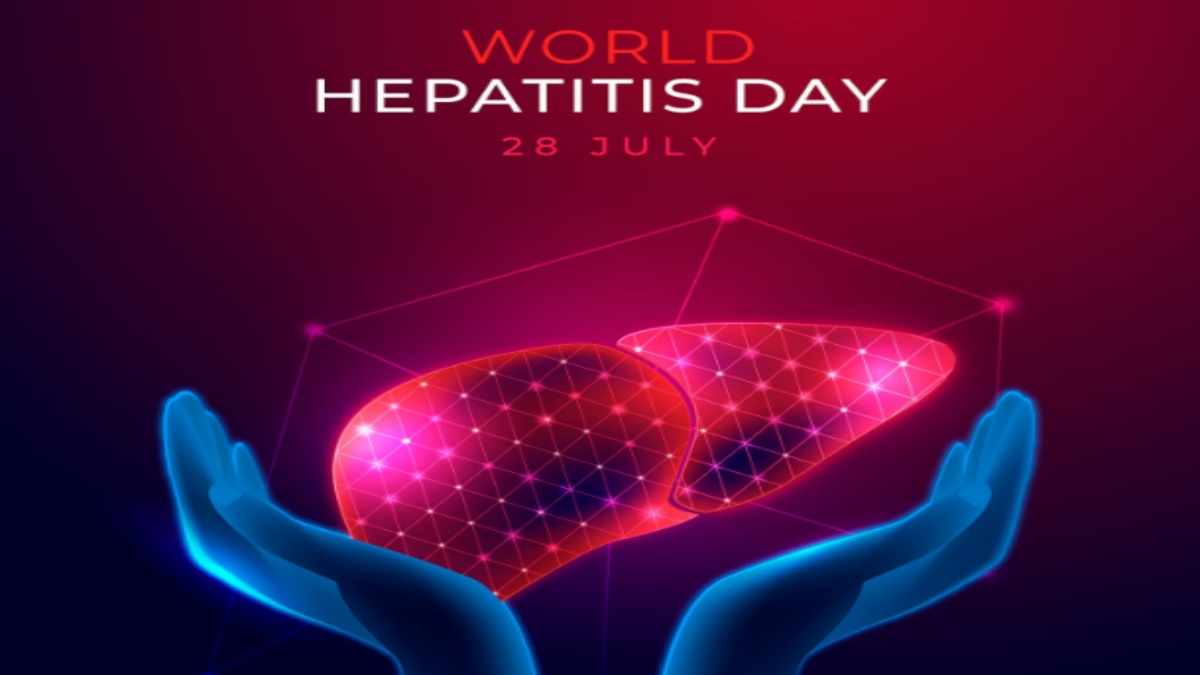
World Hepatitis Day, celebrated every year on July 28, is one of the officially recognized global public health campaigns by the World Health Organization (WHO) and is one of the central World Health Organization’s (WHO) international public health campaigns. It is intended to raise the awareness of viral hepatitis, promote the prevention of it, early diagnosis and the access to treatment. It also underscores the need to end hepatitis as a major public health issue worldwide.
There are millions of people worldwide suffering from hepatitis and most of them don’t know about their disease because it’s often not noticeable in their early stages. Awareness, regular screening, and timely medical intervention are therefore critical for the treatment of serious complications including liver cirrhosis, liver failure, and liver cancer.
The date was chosen in honor of Dr. Baruch Blumberg, the Nobel Prize-winning scientist and hepatitis B vaccine developer, who was responsible for the discovery of the hepatitis B virus and for the development of the first vaccine to prevent and treat hepatitis.
What is Hepatitis?
Hepatitis is an inflammation of the liver that results from viral infections, excessive alcohol consumption, certain drugs, toxins, or autoimmune diseases. Viral hepatitis is the most common and is primarily caused by five viruses Hepatitis A, B, C, D, and E.
Different kinds of transmission, severity and treatments
- Hepatitis A is generally spread through contaminated food or water and can cause short-term illness
- Hepatitis B is spread through infected blood, unprotected sexual contact and from mother to child during lactation
- It can become chronic if left untreated
- Hepatitis C is primarily transmitted through infected blood and may also become a chronic infection
- Hepatitis D is only contagious among people already infected with hepatitis B
- Hepatitis E is typically transmitted through contaminated drinking water and causes acute illness.
Why World Hepatitis Day Matters
Viral hepatitis is still one of the leading causes of liver-related illness and death, global experts say. Despite advancements in vaccines, diagnostics and treatment, most people still do not have access to testing and healthcare services.
World Hepatitis Day is a reminder that early detection can significantly improve treatment outcomes. Most infected individuals don’t experience symptoms until their liver damage is worse, so screening of people at risk is vital in reducing complications.
The campaign also aims to reduce stigma associated with hepatitis and encourage people to seek medical advice without fear or discrimination.
Symptoms to Watch For
Although hepatitis may be initially symptom-free, common signs can include:
- Fatigue and weakness
- Loss of appetite
- Fever
- Nausea and vomiting
- Abdominal pain
- Dark-colored urine
- Pale stools
- Yellowing of the skin and eyes (jaundice)
All of them should contact a healthcare professional to check and diagnose them.
Prevention Is the Best Protection
Many forms of hepatitis can be prevented by simple but effective measures:
- Vaccinations, especially for Hepatitis A and B, are recommended
- Healthy hand hygiene and eat safe food and drink fresh water, drink properly
- Do not share needles or other sharp instruments
- Medical procedures and blood transfusions should be properly carried out and patient safety should be maintained
- Practice safe sex to avoid blood-borne infections
- Get screened if you have a high risk or are at risk
Vaccination is still the most effective way to prevent hepatitis B which can eventually become chronic and lifelong disease.
Advances in Treatment
Medical science has made remarkable progress in treating viral hepatitis. Antiviral drugs are able to cure chronic hepatitis B, while modern treatments can cure most cases of hepatitis C. Early diagnosis is key for treatment success and the risk of long-term liver damage is minimized.
Health professionals say that affordable testing and medicines are needed to reach the global goal of eliminating viral hepatitis as a public health threat.
Global Commitment to Elimination
Governments, health organizations, and public health agencies around the world are still working to increase vaccination coverage, raise awareness, increase access to diagnostic services and improve treatment.
World Hepatitis Day also calls for governments to invest in healthcare infrastructure, public education campaigns and community-based screening programs to prevent infections before complications develop.
A Shared Responsibility
Eliminating hepatitis requires all people from government, health professionals, civil society groups and individuals to work together. Public awareness and vaccination campaigns, health services, and healthcare to ensure hepatitis has no infection and improve the outcome for the people living with hepatitis are all really important steps to reduce new infections and to provide better healthcare.
We must have a global message for World Hepatitis Day 2026: Prevention, early detection, timely treatment, and awareness can save lives. And if we get people to get tested, vaccinated where necessary, and seek medical care when needed, we can always hope to move towards a future where viral hepatitis is no longer a huge public health issue.
World Hepatitis Day is not just a day of awareness but also an opportunity to take action and support hepatitis care; to be on top of and to be associated with the hepatitis epidemic so it won’t get worse.