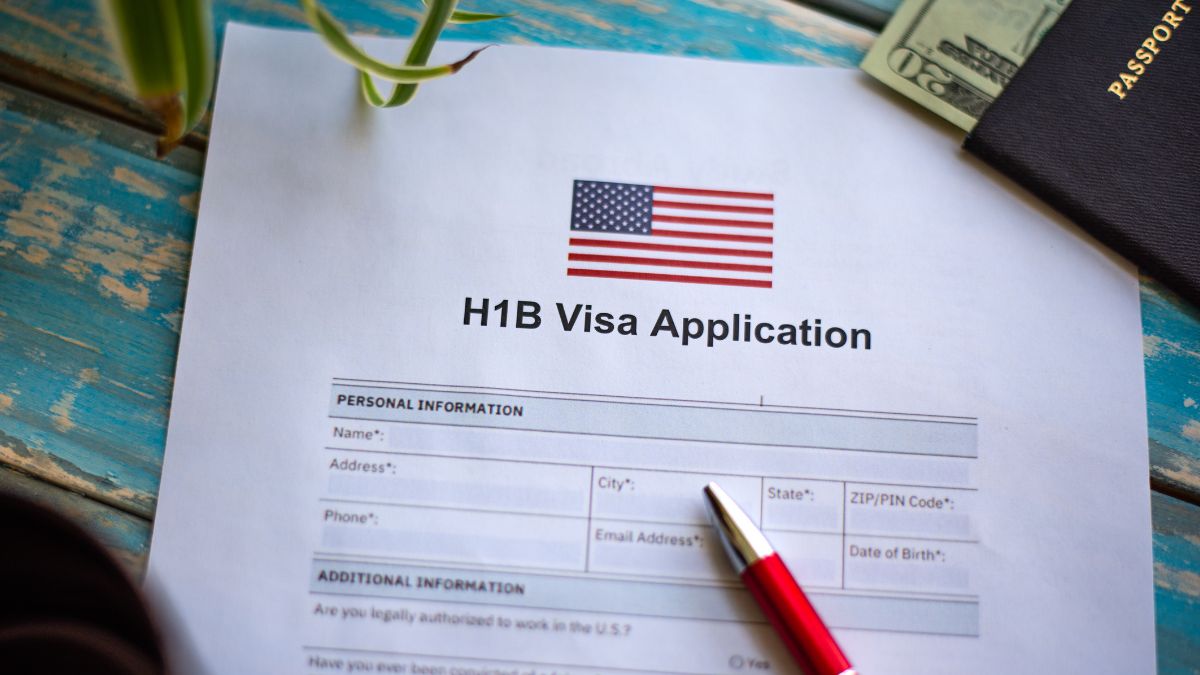
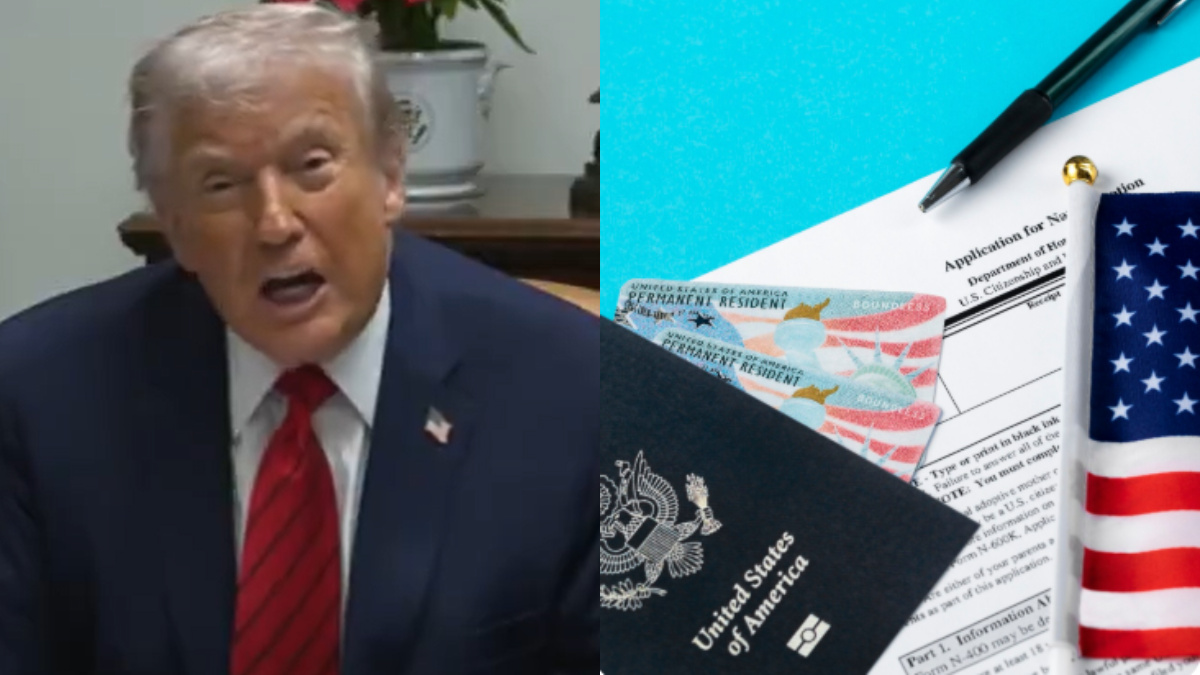
Many Indian professionals currently working in the United States could be further affected by all the uncertainty as a result of Trump’s immigration policy. The proposal would eliminate the 60-day grace period for H-1B visa holders who lose their jobs and would require them to leave the country almost immediately after a layoff.

The H-1B visa program allows US employers to hire foreign workers in specialised fields such as technology, engineering, healthcare, finance, and research. Most of the H-1B visa holders are Indian nationals, and most are in the technology industry.
Under current US immigration rules, H-1B workers who lose their jobs are generally granted a grace period of up to 60 days or until the end of their authorised stay, whichever comes first. This time allows them to find a new job, transfer their visa sponsorship, change their immigration status, or make plans to leave the country.
If the proposed change happens, the laid-off workers could face immediate immigration problems. Such a move would place enormous pressure on foreign professionals and their families and would put them in a position to land new jobs or deal with complex immigration procedures on a very short time scale.
The problem has become bigger now that layoffs have hit the tech sector and the rest of the US economy hard. In the last few years, many big companies have cut their workforce, affecting thousands of workers, many of them H-1B visa holders; big companies have already been downsizing.
But immigration experts say the grace period would also be difficult to find for employers. If job loss immediately puts a worker’s legal status in the country at risk, a company will struggle to hire experienced foreign talent. Some analysts say the proposal could also harm America’s competitiveness in drawing global talent.
If Indian professionals are affected, the effect will be particularly great for them. Many H-1B workers have been living in the United States for years, many of whom might have families, mortgages, kids in school, and pending permanent residency applications. A job layoff could put them at risk of leaving the country very soon and potentially disrupt long-term plans and cause financial and personal stress.
Supporters of tighter immigration policy say such a measure would promote more effective enforcement and encourage employers to focus on home-grown hiring. They contend that temporary work visas should be closely tied to active employment and that extended grace periods can undermine the integrity of the visa system.
But business groups and immigration supporters are concerned about the plan. They believe that highly skilled foreign workers contribute very much to innovation, economic growth, and the U.S. labour market. Eliminating the grace period would deter talented professionals from choosing the United States as their place of work and career development.
And as the immigration debate continues to be ongoing, no one knows when or if any change in immigration policy itself would take place, and it is not clear when or if that would happen. Any changes to H-1B regulations would probably be closely watched by lawmakers, industry leaders, employers, and immigrant groups.
Now, Indian professionals working in the United States are closely following developments because if changes to the H-1B grace period affect their careers, immigration status, and plans in the country, there are very real implications.