Karnataka's bus passengers may soon have to pay significantly more for bus travel as the state transport companies have submitted proposals to the government for a huge increase in passenger fares, with transport corporations in the state seeking a large increase in passenger fares. They say the price hike is likely to rise as transport authorities are also struggling with heavy operational losses, rising fuel costs, and the government's support for transportation not yet forthcoming.
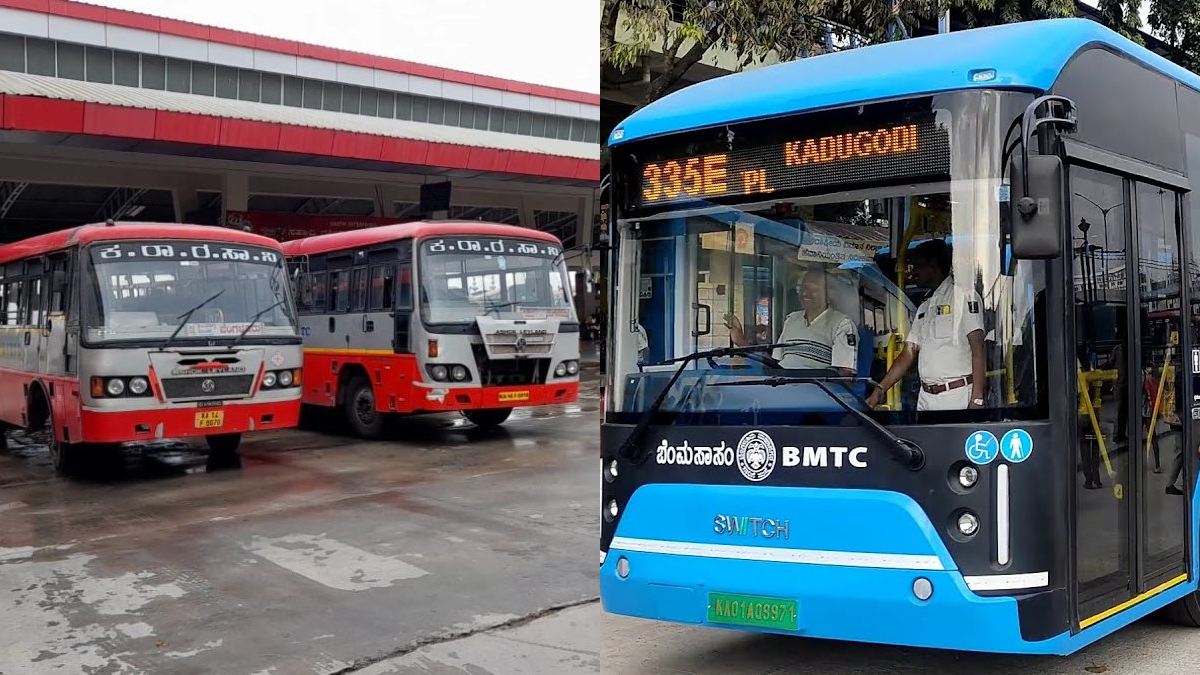
Bengaluru Metropolitan Transport Corporation (BMTC) has proposed a 44 per cent increase in bus fares, and Karnataka State Road Transport Corporation (KSRTC) a 33 per cent hike. The proposals are being circulated to the state government for consideration, and a decision will be taken after discussions with senior officials and the transport department.
If approved, the fare revision will come one and a half years after the previous rise. In January last year, Karnataka's transport companies introduced a 15 per cent fare hike, citing the same financial pressure. The prospect of another increase within such a short time has worried commuters, especially those on the road at work, in school, and on rural transport.
One of the main reasons cited by the corporations is the sharp increase in diesel prices. Global crude oil markets continue to be affected by political unrest and conflicts, which are causing higher fuel prices, officials said. Diesel prices have risen by nearly ₹8 per litre, so the state’s bus fleets have seen a significant increase in operating costs.
Transport corporation officials say the rising fuel burden is putting the organisations in financial distress. The four state-run transport corporations are collectively losing an extra ₹40 crore per month due to diesel costs, according to estimates. If nothing is done, annual losses could reach ₹480 crore and lead to financial ruin for the transport companies.
The state government’s payment to the transport corporations for various welfare and subsidy schemes remains another big worry. Around ₹5,000 crore is due from the government to transport corporations, but with delays in receiving the funds, these companies need money to run operations, maintain their fleets, and make improvements in service delivery.
The issue has also revived the debate on Karnataka’s popular free bus travel scheme for women. Women can travel free of cost on government buses, and the state pays transport corporations for transport. But the fare increase will mostly affect male passengers, who will still pay for services and may see the cost rise. Proponents of the scheme say it has done wonders for women - they have had more mobility, better jobs, and better education.
Transport experts point out that while fare hikes may provide short-term financial relief, if they are too high, public transport use might be deterred. The challenge is to reconcile the affordability of passengers with the financial sustainability of transport companies.
As the government reviews the proposals, commuters in Karnataka are waiting for decisions that will have a direct bearing on their daily travel expenses. With rising operational costs and financial strain on transport companies, a fare revision now appears increasingly probable.