Karnataka is seeing a steady rise in grocery prices as poor monsoon rainfall is negatively impacting agriculture in the state, with rainfall not sufficient for agriculture. In the current monsoon season, the lack of sufficient rainfall in India is causing farmers, traders, and consumers to feel that agriculture in Karnataka is being affected, and they are worried that food inflation could increase if weather conditions do not improve in the future.
Karnataka agriculture is still very dependent on monsoon rains, and we are seeing a drought in Karnataka’s rainy season. The present rainfall deficit has affected the production of crops like paddy, sugarcane, black gram (urad dal), and other food grains. Farmers in many districts have been losing agricultural productivity, crop growth, and sowing activity because of a lack of soil moisture in the area, and they are worried about lower yields in the harvest season.
The impact of poor crop growth is already being felt in the local markets. Investors say that farmer-dependent prices of most essential goods are being increased in the form of a gradual increase as agricultural production gets affected. Rice, pulses, and other daily-use foods are expected to rise further in the coming months if the rainfall is still below normal levels.
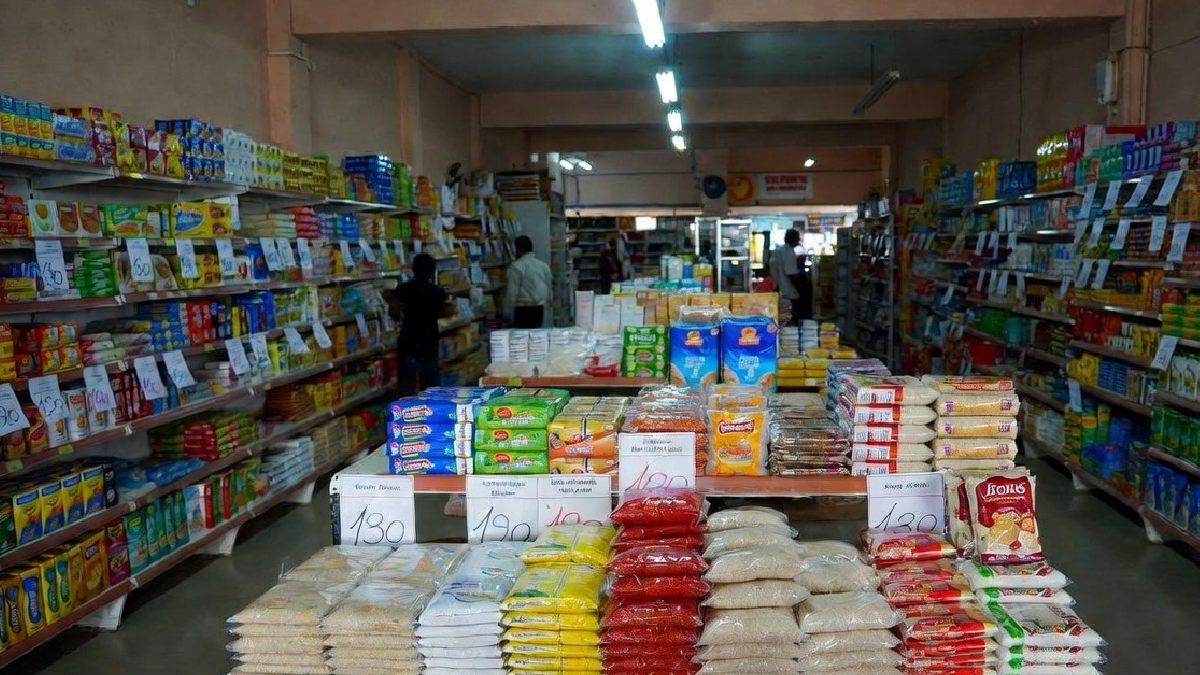
According to market data shared by traders, many staple commodities have already experienced huge price increases. Steam rice, which was around ₹45 per kilogram at wholesale markets, has already started to increase to ₹60 per kilogram in wholesale markets, and retail prices are about ₹70 per kilogram. Kolam rice has risen from ₹66 to ₹80 per kilogram, and retail prices are almost ₹90 per kilogram.
Raw rice has also risen sharply from ₹70 to ₹83 per kilogram in wholesale markets and to ₹93 per kilogram at the retail level. The steepest increases have been seen in cumin seeds (jeera), whose wholesale price has nearly doubled from ₹110 to ₹215 per kilogram, while retail prices have surged to around ₹250 per kilogram.

Pulse prices also went up. Tur dal (pigeon pea) has risen from ₹115 to ₹125 per kilogram, with retail prices reaching ₹140 per kilogram. Urad dal prices went from ₹132 to ₹150 per kilogram, and consumers are paying nearly ₹170 per kilogram in retail markets. Moong dal (green gram) has increased from ₹94 to ₹105 per kilogram, and retail prices have reached ₹116 per kilogram. Groundnuts have also become more expensive, going from ₹145 to ₹160 per kilogram, with retail prices at ₹185 per kilogram.
Market experts believe that the fear of lower crop production is one of the reasons why the price rise is happening right now. Supply chains are affected by decreased agricultural production, and the increase in prices will have to be sustained. Traders have also said that unless crop production improves substantially, the food price growth will continue.
The situation poses two problems for Karnataka. Farmers are worried about crop loss and lower incomes due to inadequate rains. On the other hand, consumers are having to bear the burden of household expenses as the prices of essential food items are rising.
Food inflation can have a big impact on household budgets, especially for middle-class and low-income families who have very little money left over to pay for groceries and other basic needs. If monsoon conditions do not improve, there could be even more food price increases in the next few months in the state.
Experts say that timely and adequate rainfall is the best possible solution to this crisis. Enhanced monsoon activity would help crop growth, increase production levels, stabilise supply, and help stabilise prices in the market. Until then, both farmers and consumers are likely to continue to face uncertainty as Karnataka navigates the effects of a weak monsoon season.