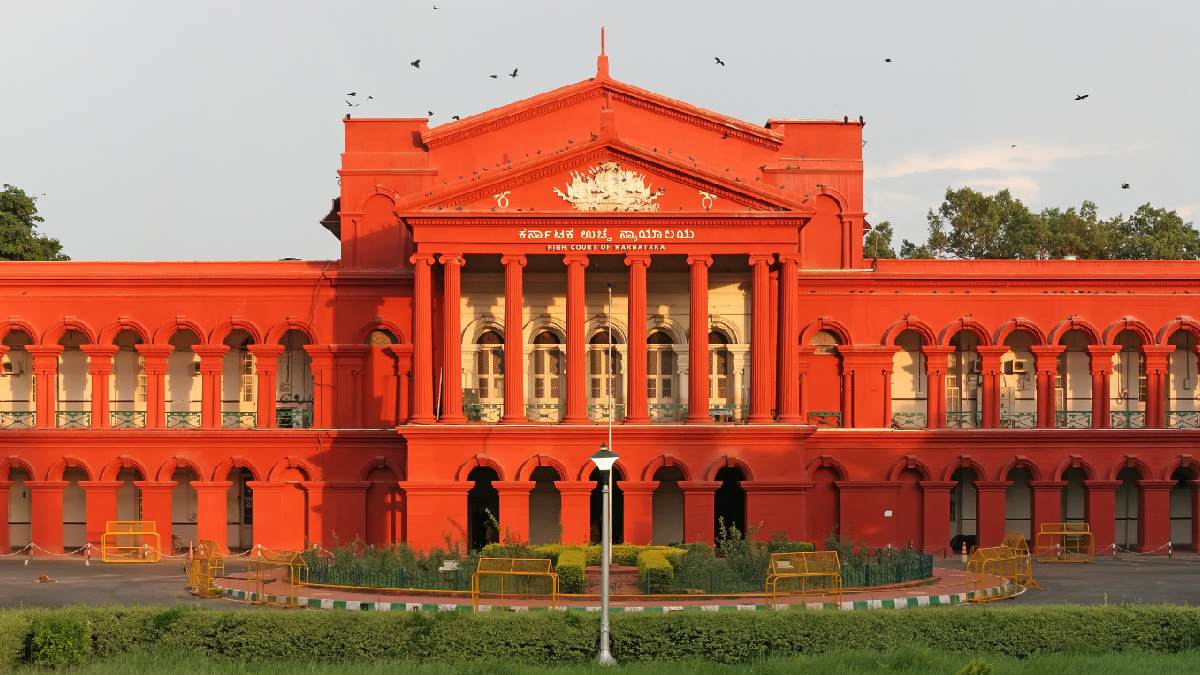
In a landmark verdict that confirms the necessity of higher education and parental responsibility, the Karnataka High Court ruled that a father can’t escape responsibility to support his daughter’s education just because she’s over the age of majority. The court ordered a businessman to pay ₹16 lakh to his daughter’s Doctor of Medicine (MD) course fees and said that financial responsibility does not end for the child when she is 18 years old.
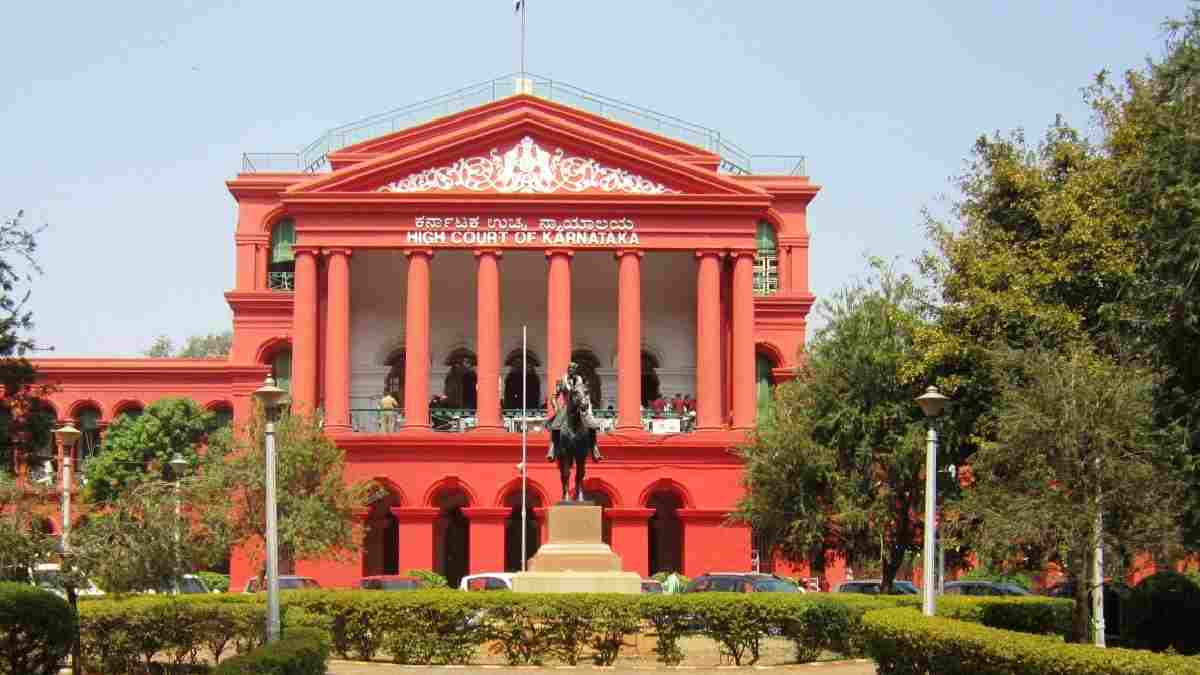
The ruling came in a case of a young woman from Mangaluru who had sought money from her father to continue to earn money as a postgraduate medical student. The businessman had challenged the previous orders of the trial court and sessions court, arguing that his daughter had graduated and would no longer need him now. He also cited bad family relations as the reason for not paying for her education.
However, the Karnataka High Court rejected these arguments and upheld the lower courts’ decisions.
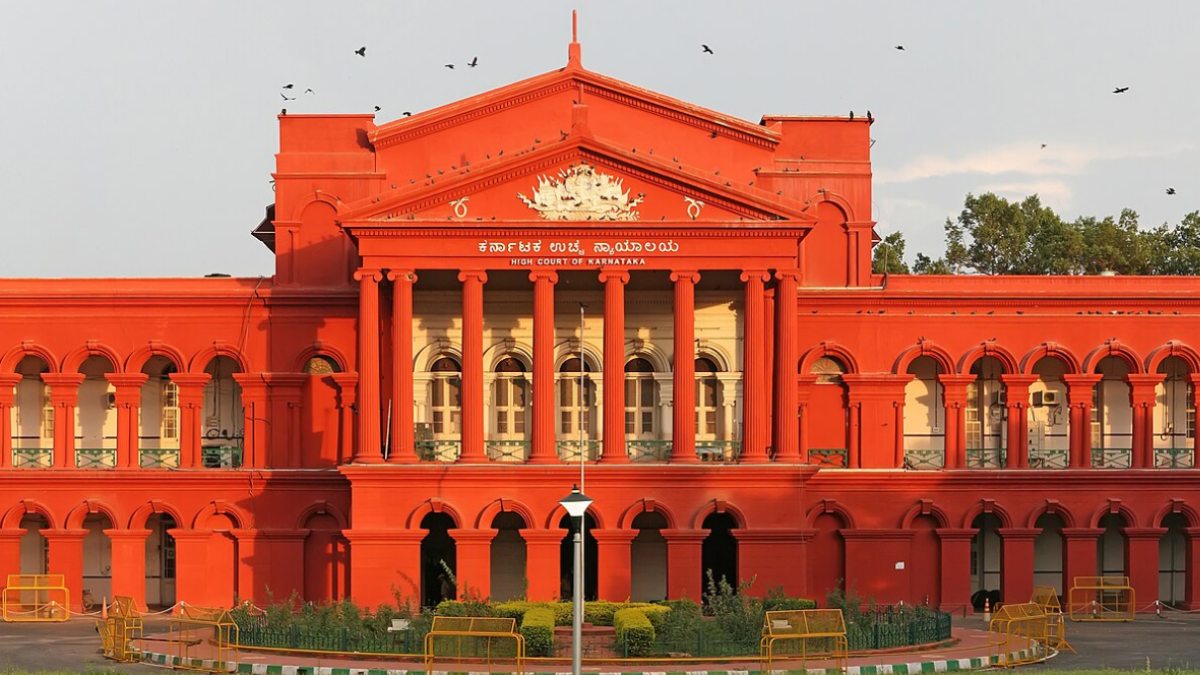
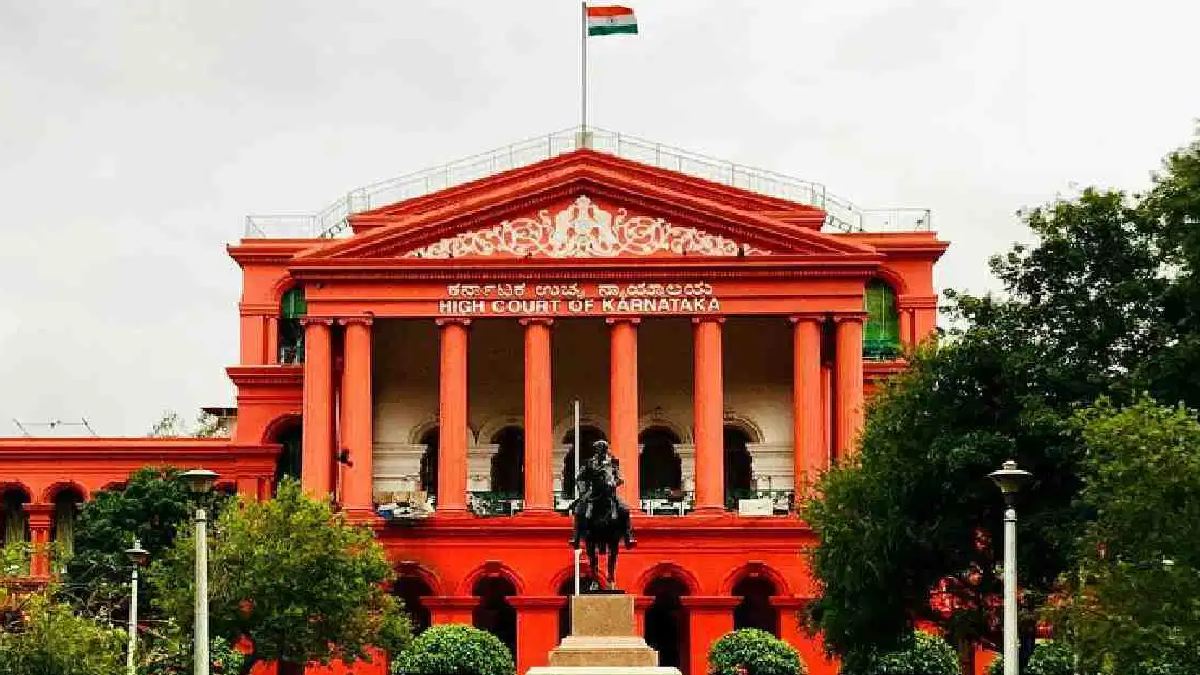
Hearing of the upper court orders in the High Court
Justice H.P. Sandesh, in the single-judge bench, dismissed the father’s criminal revision petition and held that he should pay the ₹16 lakh college fee required for his daughter’s MD programme.
The court observed that adulthood doesn’t relieve parents of their responsibility, especially when it comes to sending their children to professional or higher education.
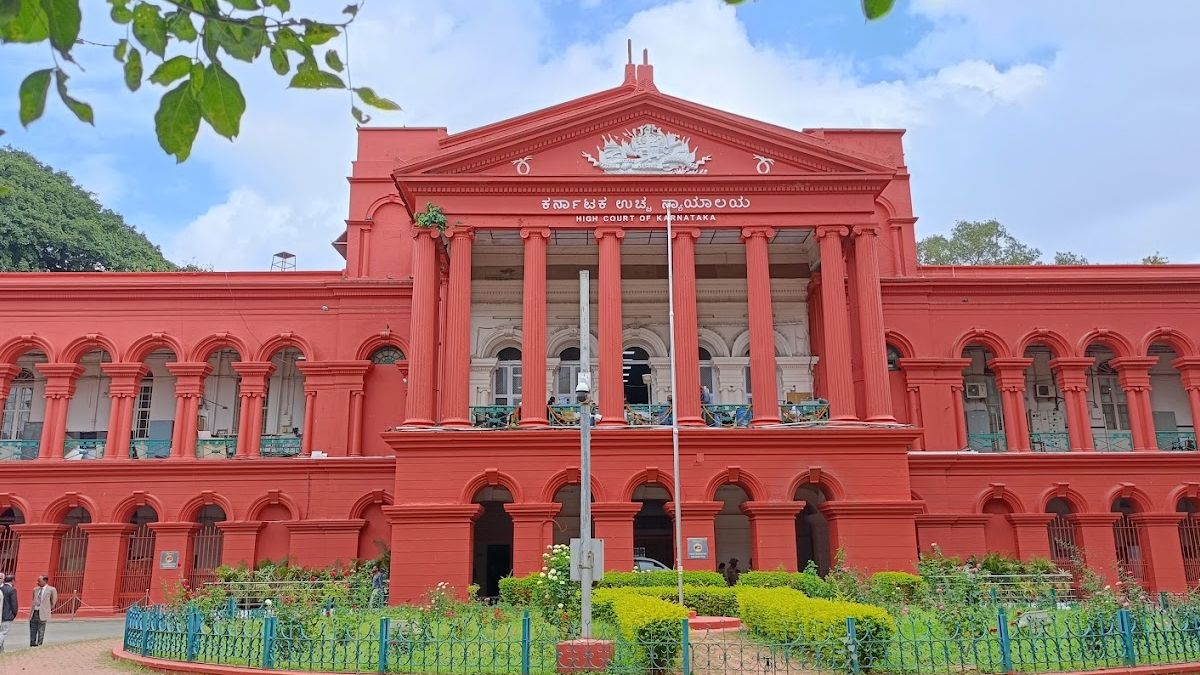
According to the judgment, a child's educational aspirations, especially in demanding professions such as medicine, need protection, and capable parents cannot avoid their obligation solely on technical grounds that relate to age.
Higher Education Is a Legitimate Need
The High Court recognized that postgraduate medical education is an investment and is necessary for a student’s career and livelihood in the future.
The court observed that completing an MBBS degree is often only the first step in a medical professional’s journey. As a result of pursuing an MD qualification, prospects for a career (and thus education) become exponentially more promising, and parents’ support is crucial in this regard.
The judgment supports that parents with sufficient financial resources should help their children with higher education, so long as they have the means to do so.
Family disputes cannot deny educational rights
One of the father's arguments was that the daughter had distanced herself from him and that family disputes prevented him from extending financial support.
However, the High Court held that personal differences or strained relationships cannot be legitimate reasons to deny a child’s educational opportunities.
The court stressed that parents’ responsibilities are based on responsibility and welfare and not personal relationships between family members.
Significant Legal Precedent
In a similar way to the case of education expenses for adult children who want to pursue professional work, legal experts are convinced of the effect of the court decision.
While Indian law generally considers children to be of majority at 18 years of age, courts have increasingly recognised that professional education often extends well beyond that age and parents may still have a duty to provide financial assistance where circumstances justify it.
And this judgment is a more urgent manifestation of the judiciary’s increasing focus on the educational rights of daughters and equal access to higher education regardless of family disputes.
A Strong Message on Parental Responsibility
The Karnataka High Court’s decision sends a clear message that parental responsibility extends beyond a child’s eighteenth birthday when it comes to professional education. That’s why capable parents can’t ignore their children’s own academic dreams just because they have grown up.
As professional education becomes more expensive, the judgment is expected to be a reference in future cases in terms of maintenance, educational support and parental obligations, particularly in terms of higher education disputes.