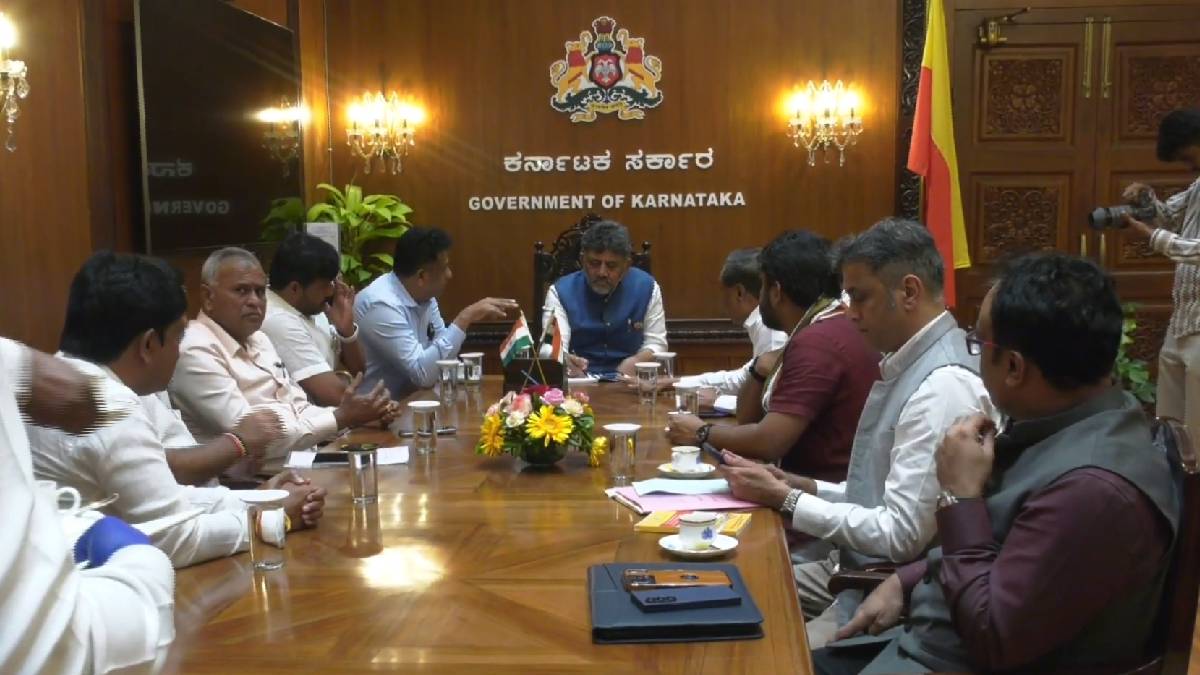
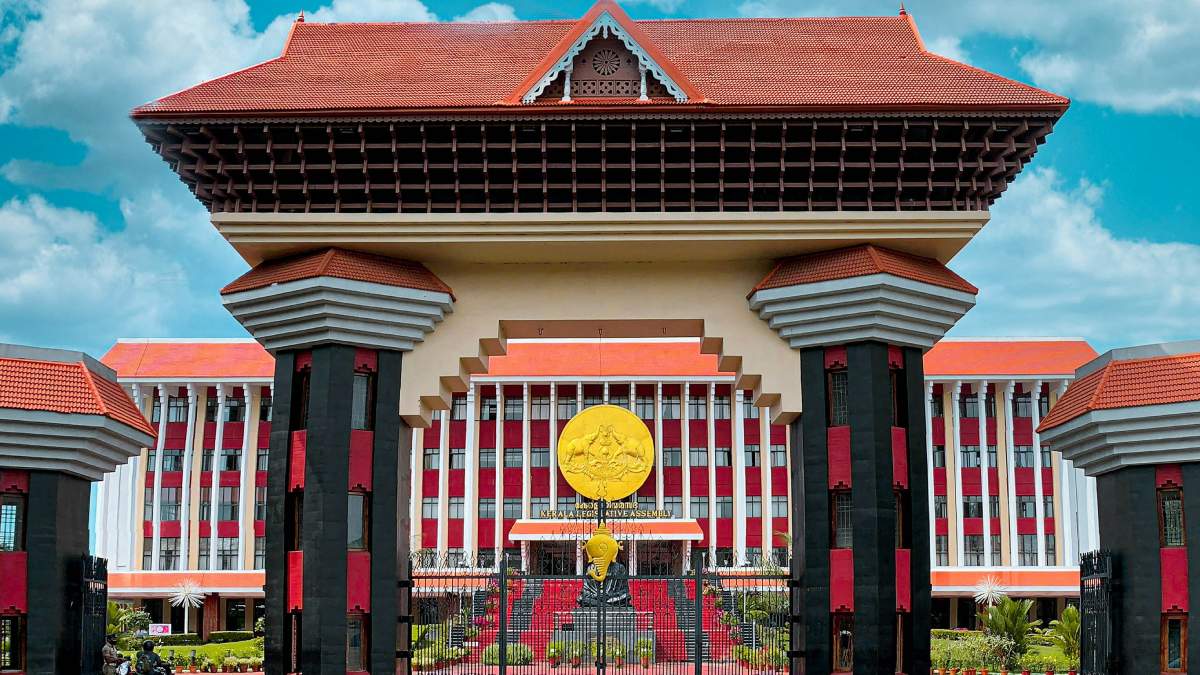
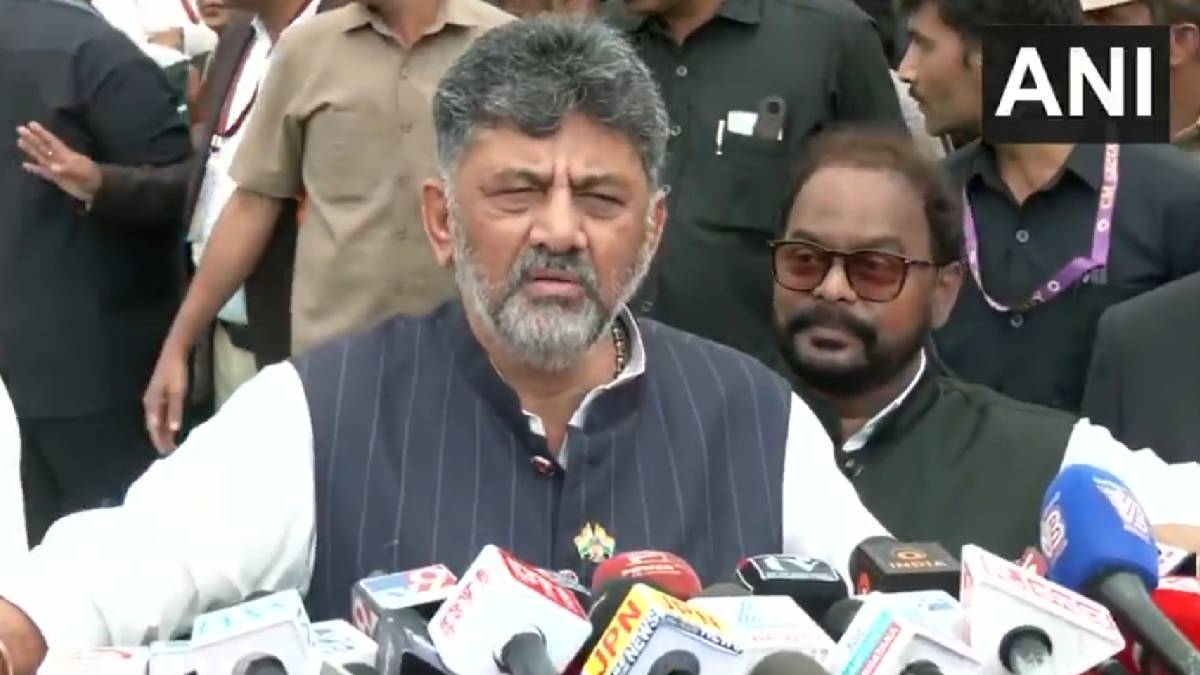
Karnataka Chief Minister DK Shivakumar has announced an employment-driven incentive to encourage entrepreneurs to create jobs in the backward districts of the state. In that regard, entrepreneurs will receive a ₹2,500 monthly incentive for every new job created in these districts.
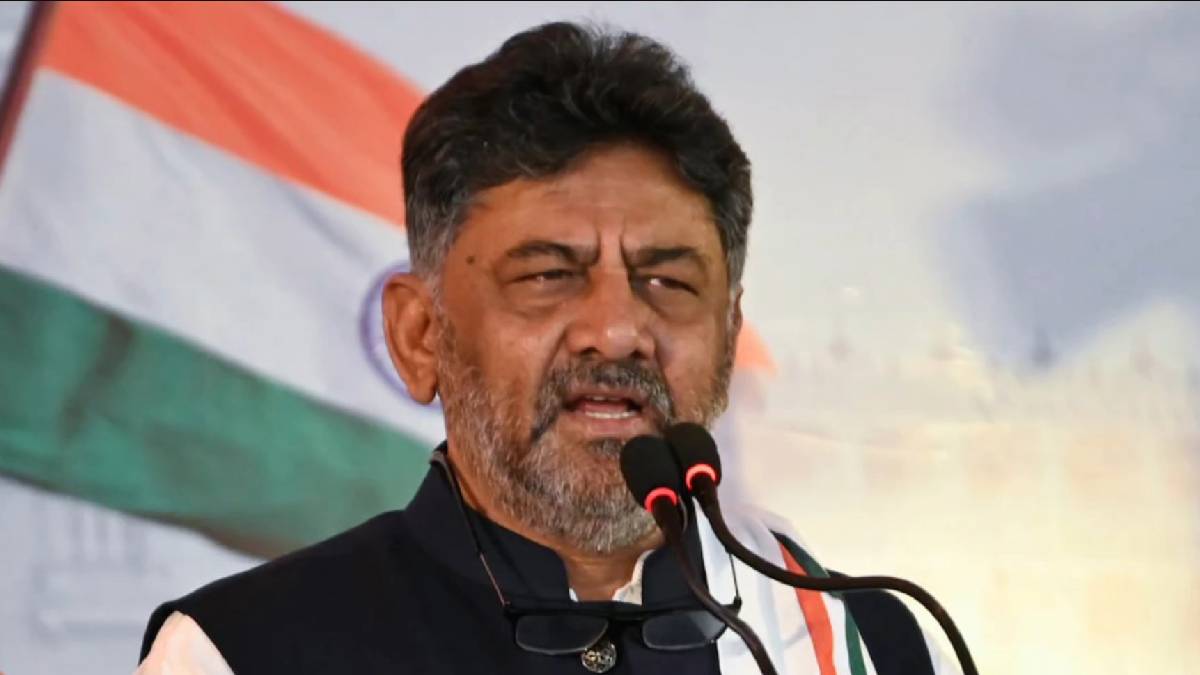
The idea is to connect government support with employment creation. Instead of offering incentives only for businesses to go into the market or investment, the proposed policy would reward entrepreneurs on the basis of how many jobs they create.
Shivakumar said about the initiative: “We are going to give ₹2,500 monthly incentive to entrepreneurs for every new job they create in the State’s backward districts.”
The proposal will be focused on districts which have historically had lower industrialisation, investment and employment opportunities than Karnataka's more developed economic centres.
Karnataka has one of India’s largest technology and services economies, and Bengaluru is a major global hub for information technology, startups and innovation. But job opportunities and economic activity in the state are not evenly distributed. There are still many districts outside Bengaluru and some major urban centers that have many challenges in industrial development, infrastructure and private investment.

The government's inducement to move away from established economic hubs and into less developed parts of Karnataka is designed to encourage businesses to do so.
A monthly payment for each new employee could help to lower part of the cost of growing their workforce for entrepreneurs. For the government, it could connect public expenditure with tangible employment outcomes.
The policy would be particularly relevant to small and medium-sized businesses, manufacturing companies, service sector firms or other organisations which can generate significant local employment.
If it is implemented properly, the programme could also help to reduce migration of people from smaller districts to Bengaluru and other large cities. More jobs close to people’s homes and more opportunities for workers to work can help people stay in their communities, and local economies are created as well.
The benefits would be extended beyond direct employment. When new businesses are established in a district and operate in a district, they can produce indirect economic activity through suppliers, transport providers, accommodation, retail businesses and other support.
So the ₹2,500 monthly incentive could be part of a strategy to support balanced regional development in Karnataka.
But the success of such an initiative will depend on its implementation structure. The government will need clear eligibility criteria for which districts qualify as backward districts and create a mechanism to verify that the jobs being claimed by businesses are genuinely new positions.
It will also be important that the incentive encourages sustainable employment rather than temporary hiring designed only to qualify for government support. Monitoring employee retention, wages and the duration of employment could therefore become important components of the scheme.
The state's financial impact will also depend on the number of jobs created under the programme. At ₹2,500 per job every month, an entrepreneur creating 100 eligible jobs could receive ₹2.5 lakh per month based on the final rules of the scheme.
For thousands of jobs, the government's financial commitment could become substantial. And so the programme will need appropriate budgetary planning and oversight.
The announcement comes in the context of Karnataka's more general drive to attract investment and increase employment beyond Bengaluru. Fostering companies to set up in emerging districts could allow the benefits of Karnataka’s development to be shared more widely.
For young people in economically weaker districts, higher private-sector investment could potentially lead to new opportunities in manufacturing, logistics, technology-enabled services, retail, tourism and many other sectors.
The proposed incentive is also part of a larger trend towards employment-linked government support, in which incentives are tied to results such as jobs created rather than investment announcements.
If well executed, the initiative could be a great tool for entrepreneurs to create employment in Karnataka’s less developed regions and the government to pursue balanced economic growth.
Next steps are the formalization of the scheme's guidelines, district selection, definition of qualifying jobs, and the application process for entrepreneurs for the monthly incentive.