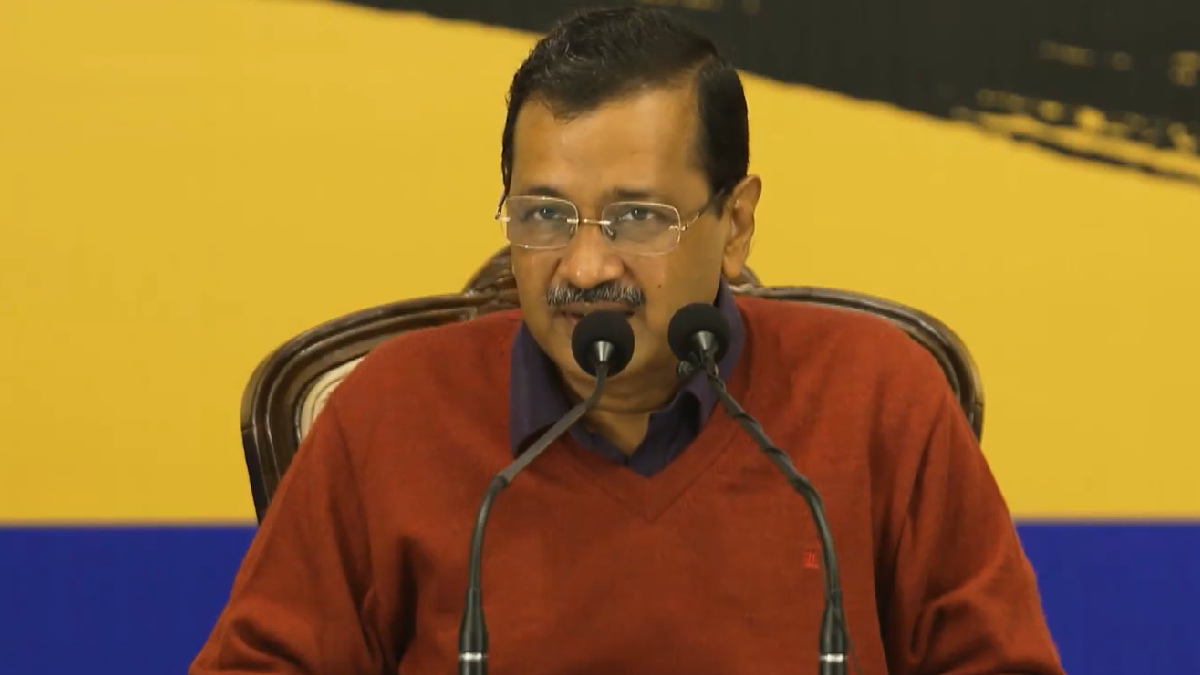
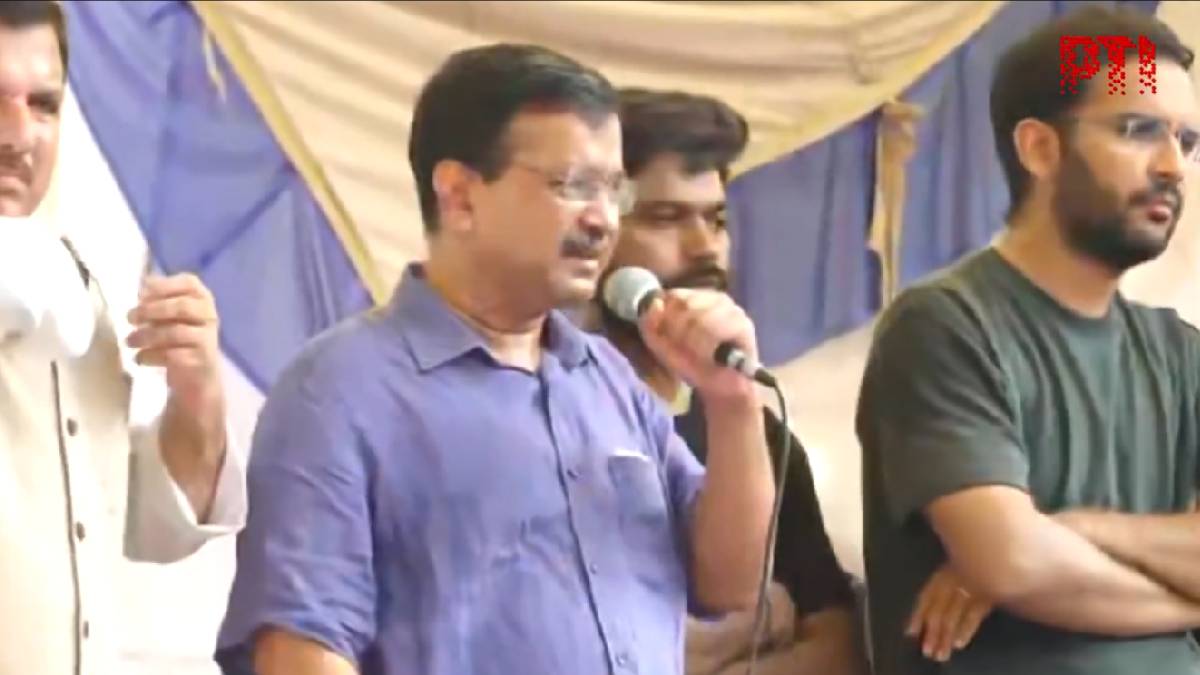
Aam Aadmi Party (AAP) national convenor Arvind Kejriwal has announced that he will lead a march to Prime Minister Narendra Modi’s residence on August 4 to protest the implementation of India’s E20 ethanol-blended petrol policy.
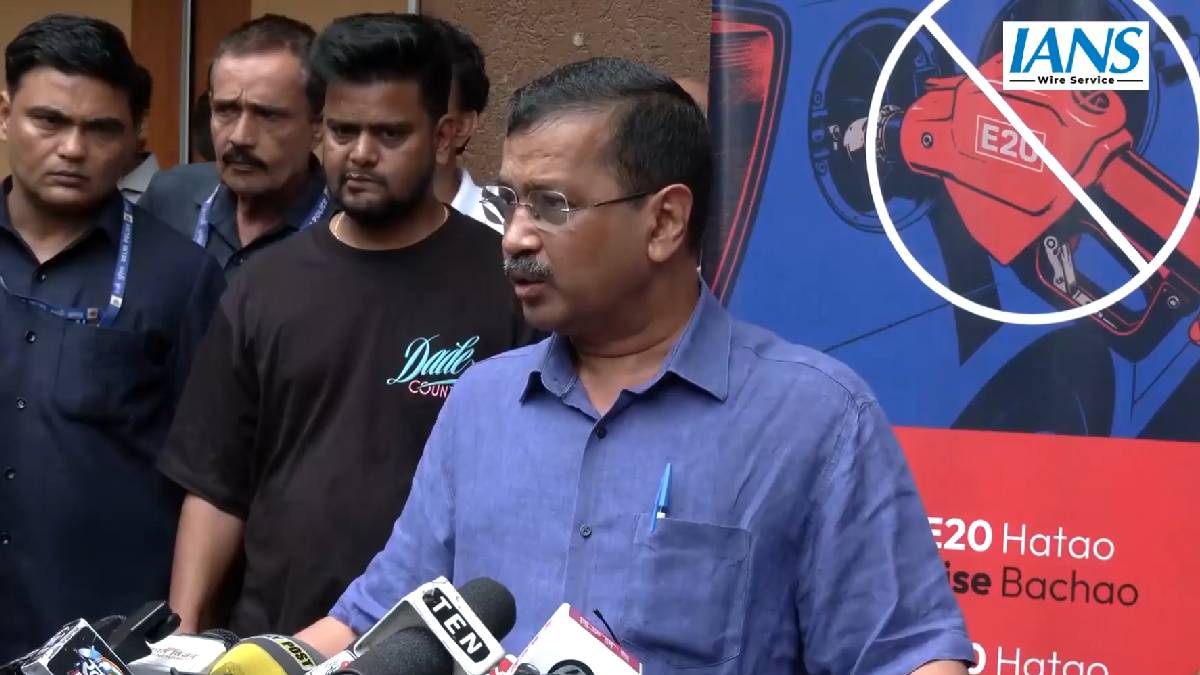
Kejriwal has demanded that E20 petrol and conventional or lower ethanol petrol be available at fuel stations. His latest decision comes as the political debate on the impact of ethanol-blended fuel on vehicle performance, mileage and maintenance costs is getting louder.
🚨 SHOCKING 🚨
— The Analyzer (News Updates🗞️) (@Indian_Analyzer) August 1, 2026
Arvind Kejriwal has announced a MARCH to PM Narendra Modi’s residence on August 4 🤯
He is demanding changes to the Ethanol Blending policy. pic.twitter.com/lLmqjZK5EL
AAP chief Arvind Kejriwal said he will take public petitions related to the issue to the Prime Minister’s residence. Reports said the party’s campaign against the E20 rollout has been leading to nearly 2 lakh petitions, and there are a lot of people who have expressed their opposition to that. Kejriwal has said a petrol company should not force everyone to use one type of petrol, and it should be allowed to choose the fuel they want in their own vehicle in light of their own vehicle and personal requirements and not just for those who are driving the vehicle.
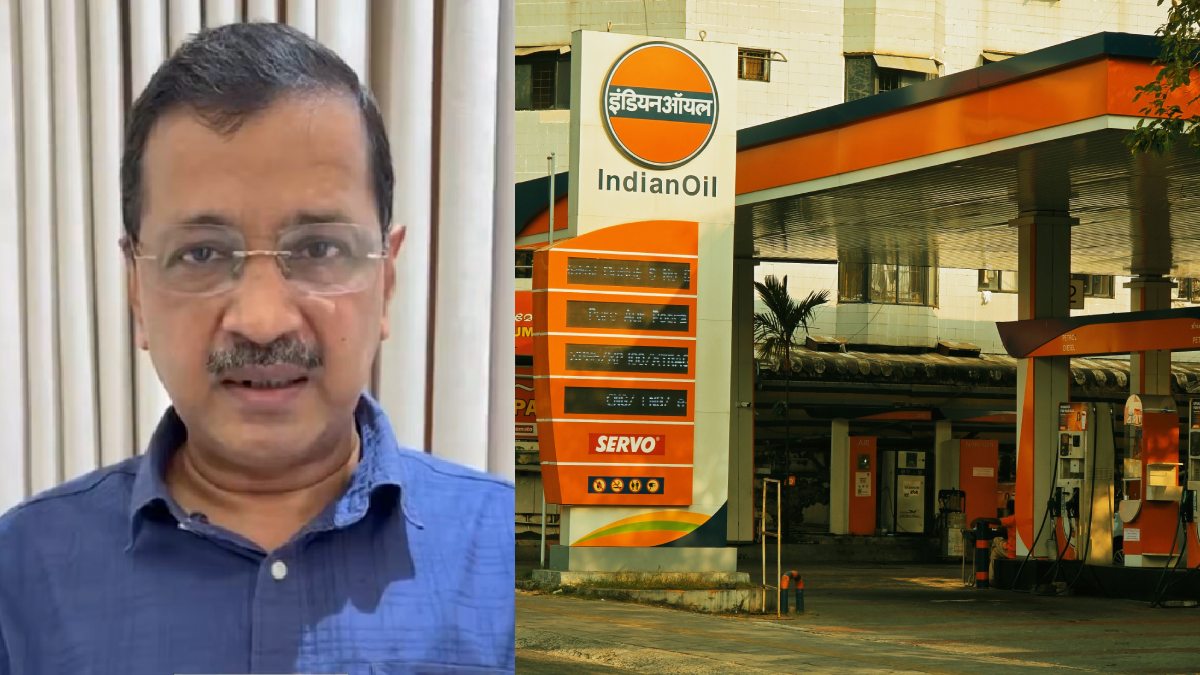
The announcement followed a National Town Hall convened by the AAP on the E20 fuel policy. The event brought together vehicle owners, transport sector representatives and other stakeholders who raised questions on E20 petrol use as well as the wider use of ethanol-blended petrol.
E20 is a fuel blend with 20% ethanol and 80% petrol. India has expanded ethanol blending as part of its broader strategy to reduce dependence on imported crude oil, support domestic biofuel production and create additional income opportunities for farmers.
The government has said that the Ethanol Blended Petrol Programme is a key element of India’s energy security and environmental policy. According to official data, the country achieved 20% ethanol blending ahead of schedule. The programme has also made crude oil substitution more accessible, foreign exchange savings a reality and carbon emissions lower, the government has also said.
However, critics of the policy have raised concerns about the impact of E20 fuel on older vehicles and models that were originally designed for lower ethanol blends. Some vehicle owners and transport groups have claimed that the fuel may lead to reduced mileage, higher maintenance expenses or compatibility-related issues.
Kejriwal has repeatedly asked why consumers are not getting multiple fuel choices at petrol stations. He has asked that E0, E10 and E20 be made available so that motorists can choose the fuel that is most suitable for their vehicles.
The AAP leader has also called for greater transparency and stronger assurances about the long-term impact of E20 petrol. He has argued that automobile manufacturers and policymakers should provide clear information to consumers about fuel compatibility, expected mileage changes and possible maintenance implications.
The Centre has denied that the ethanol-blending programme was introduced without sufficient consideration. The policy is based on technical evaluations, and the economic and environmental benefits of ethanol-blending have been suggested. Government clarifications have also said that there has not been any decision taken to increase the ethanol-blending level above 20%, and any future steps to higher blends would require further scientific studies and discussions with vehicle manufacturers and oil marketing companies and researchers as well.
The planned August 4 march will increase political pressure on the Centre on the issue. And it can also bring renewed attention to demands by vehicle owners and transport-sector groups for more fuel options and an independent review of the policy’s impact.
The announcement adds a new dimension to the ongoing debate over India’s transition towards cleaner and domestically produced transport fuels. Though ethanol blending is seen as a crucial step towards energy security, less oil imports and support for farmers, critics are demanding more consumer choice and clearer safeguards for older vehicles.
As the proposed march approaches, our focus will be on how the government will react to Kejriwal’s demands and how the E20 policy will become a larger political issue over the course of weeks.