The Kerala government announced several major welfare programs for women and children, with all the attention turning to the progressive approach it is taking to society. One of the major initiatives is a new plan for school girls to get three days of menstrual leave every month under a new initiative called the “Menstrual Dignity” scheme.
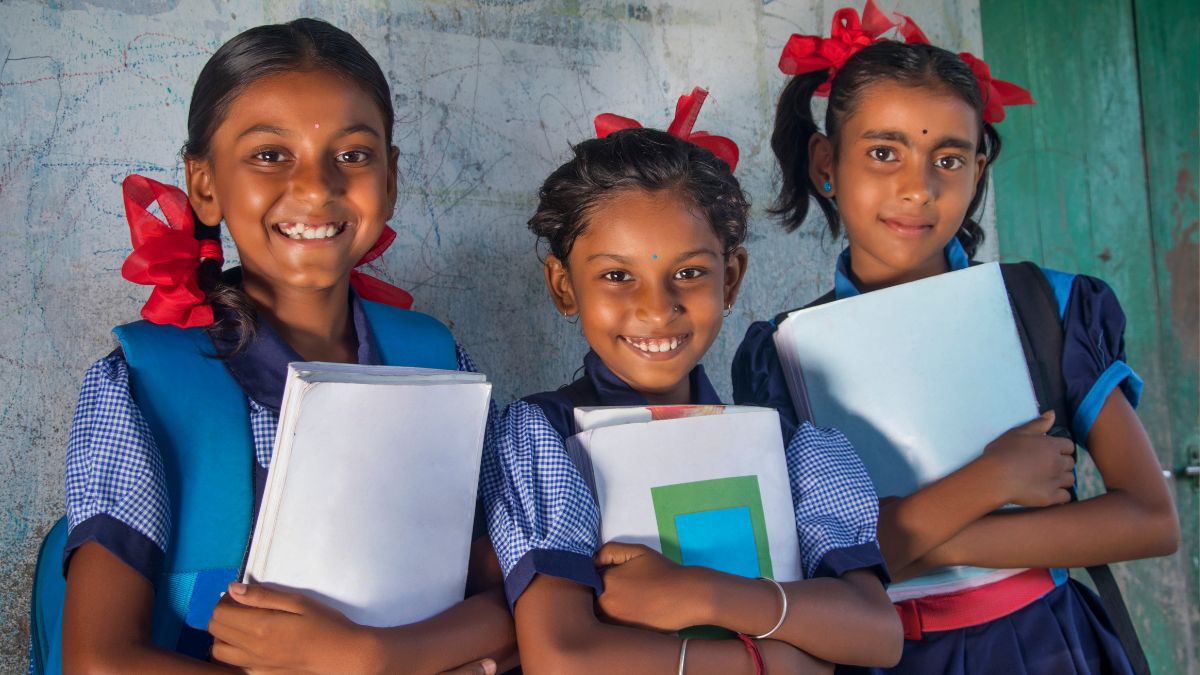
Governor Rajendra Vishwanath Arlekar announced this in a policy address given by the Kerala Legislative Assembly. What is being hailed as the first step towards making menstrual health a central part of education and women’s welfare.
The government said the Menstrual Dignity scheme would make educational institutions and public spaces more accessible and safe for girls and women. But health-related problems and social stigma at school are not going to be the topic of concern for them to overcome, it’s said.
As part of the proposal, female students will have at least three days of menstrual leave each month. To avoid students getting behind with their studies, the government will also hold more classes on weekends or holidays to make up for missed lessons.
The move is not simply a leave policy but also part of an overall movement to take care of women’s physical and emotional health. The initiative has already had a great deal of national attention, and Kerala has taken a progressive and inclusive approach to menstrual health awareness.

Apart from menstrual leave, the Kerala government also announced some other welfare measures to improve women’s working conditions and childcare support systems.
One of the key proposals is to set up safe childcare centres in government offices, factories, IT parks, and institutions employing more than 50 workers. The government also wants to push for mandatory childcare facilities under the Maternity Welfare Act to help working mothers balance professional and family responsibilities more effectively.
The state government also announced plans for equal pay for women, enhanced benefits for women working in the unorganised sector, six months of maternity leave, and the provision of essential health supplies and welfare assistance for women.
Another big social initiative highlighted in the policy address is the government’s push to make Kerala an “Orphan-Free Kerala.” This would mean a stronger network of adoption and foster care families to support vulnerable children.
Kerala’s social justice, gender equality, and public welfare schemes are being understood as part of that social justice and gender equality system. The state has often been at the forefront of progressive social policies, so these recent developments only strengthen Kerala's role as an international leader in human development.
The menstrual leave proposal, in particular, has generated discussions in educational and policy circles in India. Adopting menstrual health issues can improve students’ attendance, lower stress in the school and make the academic environment more compassionate.
At the same time, for successful implementation to be effective, experts believe plans for an effective implementation will need to be made carefully, including awareness campaigns and infrastructure support, so that the policy benefits students in a way that doesn’t lead to undesired academic pressure.
With these new announcements, Kerala is once again becoming one of the pioneers in women’s welfare, child protection, and inclusive social development policies in India.