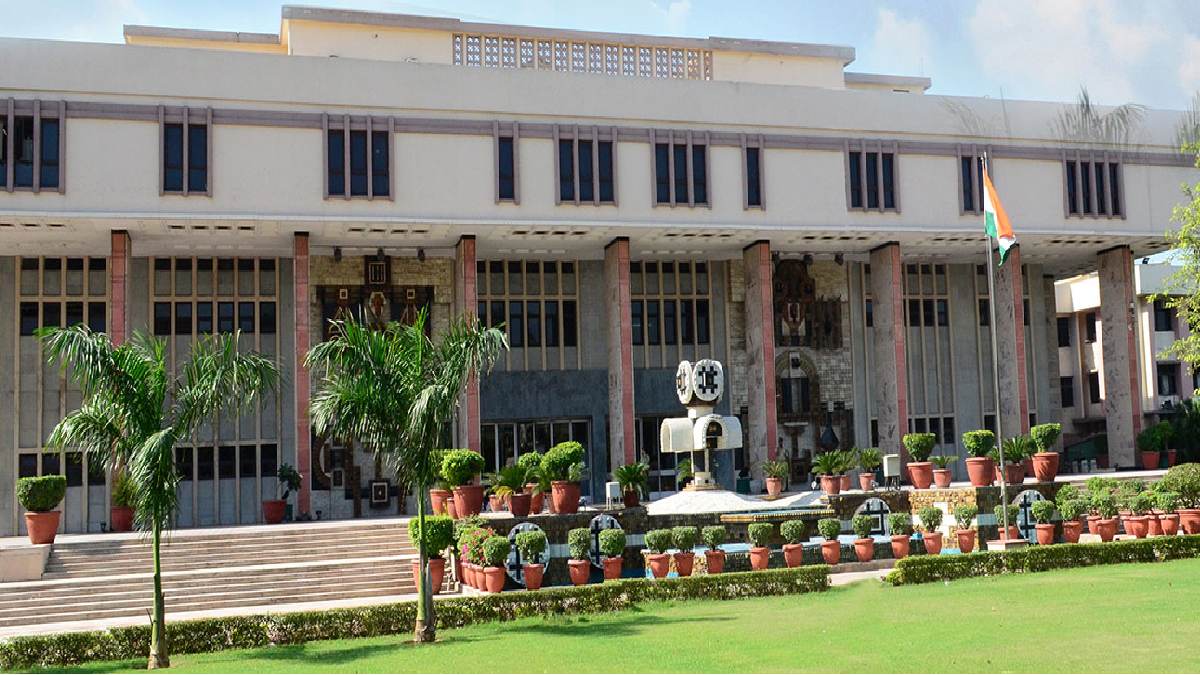
Kerala woman who took legal route to demand affordable breast cancer treatment has once again shown the challenges faced by cancer patients suffering from life-threatening diseases in India and how it is not like that for others.

She came to court for cheaper versions of expensive breast cancer medicines and with the hope that immediate action would save thousands of patients money and reduce cost. But before the court could give her the verdict she died without having the time to wait for it.
The case centered on the high price point of patented breast cancer drugs yet for many families despite advancements in medical science. And the petitioner argued that generic or biosimilar options are required for cancer patients to receive treatment without financial ruin.
Breast cancer is one of the most common types of cancer that women have diagnosed in India. Although targeted treatments have improved survival rates significantly, many of them are several lakhs of rupees in cost, which is difficult for many middle-class and low-income families.
Most patients still require insurance, charity and government health schemes to continue treatment.
The woman’s petition was for wider public access to life-saving medicines at lower prices. Academics say in such cases it is often to balance intellectual property rights of pharmaceutical companies and the public’s right to health care. The courts must weigh innovation incentives against the constitutional need to ensure access to essential medicines.
But the case was still pending and health activists and patient rights groups were concerned. Before the final verdict could be made, the petitioner succumbed to her illness. Her death has revived discussions about a faster resolution of medical cases and the need for such cases.
Healthcare activists say delayed legal treatment in life-threatening situations has irreversible effects. Access to affordable medicines should be a public health issue not a legal matter, they argue. A number of advocates have called for specialized fast-track hearings on the treatment of terminal diseases.
The case brings into focus India’s pharmaceutical industry. While the country is a world leader in developing affordable generic medicines, patented drugs continue to command premium rates.
The introduction of biosimilars and policy reform have helped in some areas but for many patients advanced cancer therapies are still financially expensive.
There’s a good deal of evidence that early diagnosis, timely treatment and access to prescribed treatments dramatically increase breast cancer survival. Financial difficulties often force patients to delay or discontinue treatment and thus the chances of recovery.
Though the petitioner did not live to witness the outcome of her legal battle, her challenge has brought national attention to the larger issue of affordable cancer care.
Her case is a reminder that justice delayed in healthcare matters can ultimately become justice denied.
Patient advocates hope her struggle will encourage policymakers, courts and health care providers to prioritize affordable treatment and quicker legal remedies for those with life-threatening illnesses.