A conductor working for the Karnataka State Road Transport Corporation (KSRTC) has been suspended after a bus journey was recently ousted following a dispute with Karnataka Transport Minister Byrathi Suresh during a fare dispute on the bus in Bengaluru.
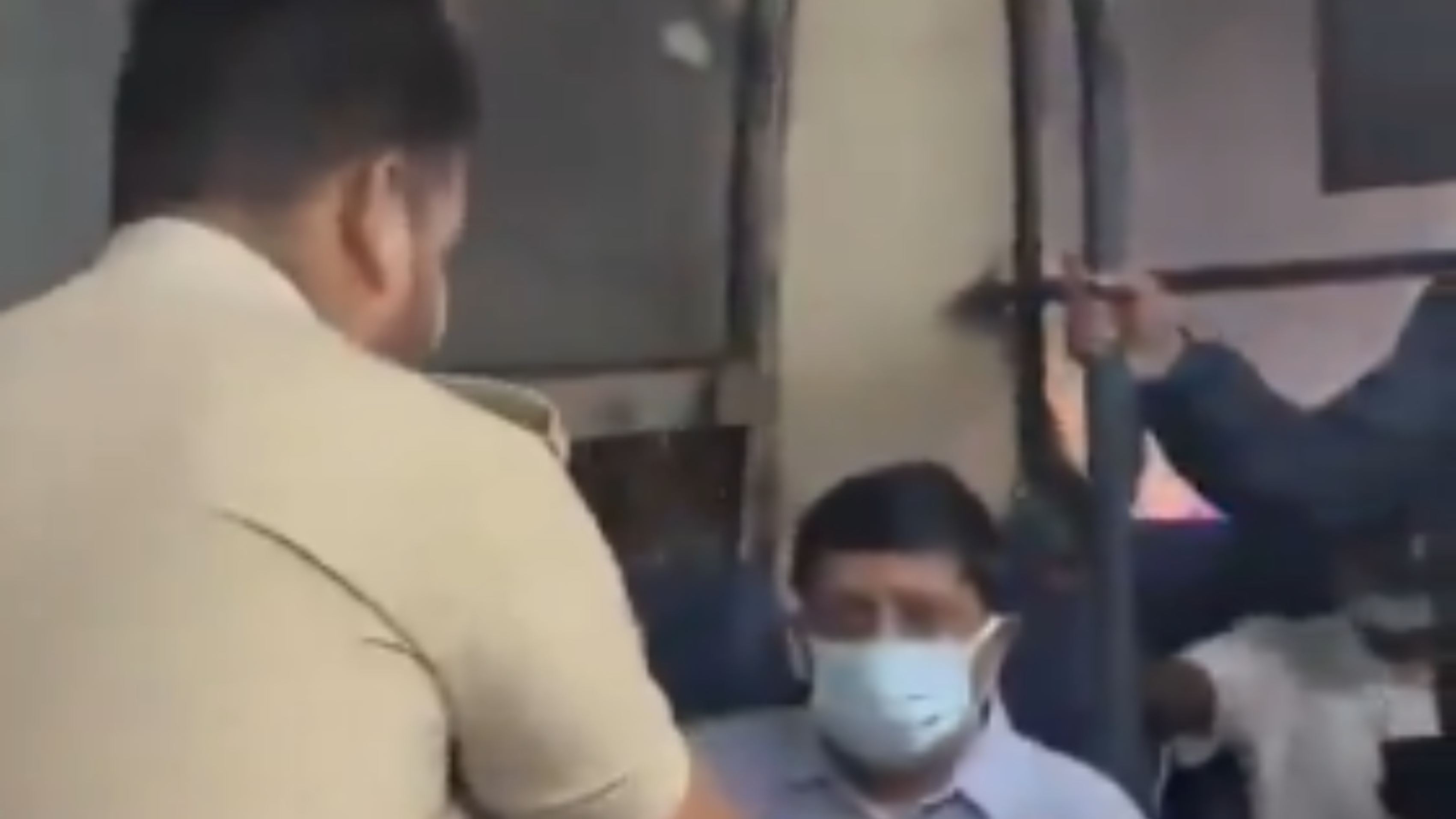
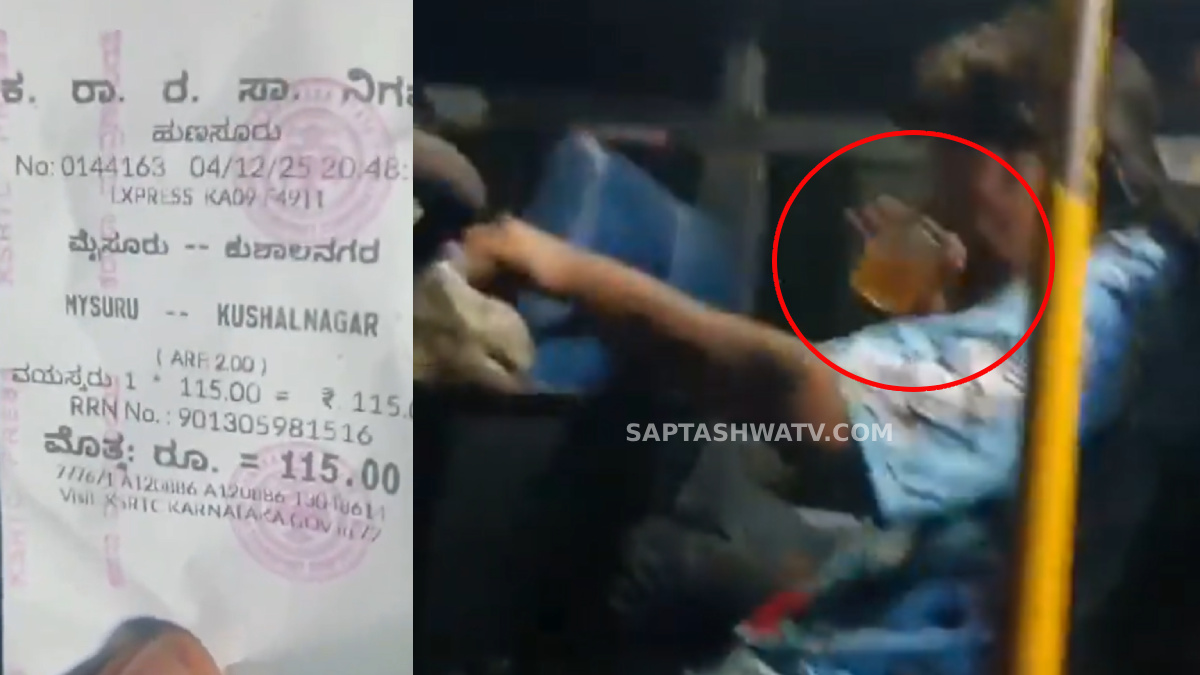
The minister was on a KSRTC bus when he was going to work during a routine journey, said sources. The issue was over the payment of the bus fare, which was due to the lack of exact change, said another. The conductor asked the minister to either provide such fare or to leave the bus because not enough change was available, the sources said.
The matter became a bigger story when it was found that the passenger involved was the state’s Transport Minister. KSRTC officers then commenced departmental action and suspended the conductor and conducted a detailed investigation into the circumstances of the incident.
According to the report, the suspension was a “temporary administrative measure” to allow for an unbiased investigation. The inquiry would determine if the conductor acted in accordance with KSRTC service rules and passenger handling guidelines before any final disciplinary decision is made, the company stated.
A senior official said the corporation would collect statements from the conductor, the driver, the minister, and any witnesses present on the bus. CCTV footage, ticketing records, or other relevant evidence may also be examined to establish the sequence of events.
The situation has divided commuters and the public. Transport staff are expected to observe fare rules uniformly, regardless of the passenger's identity or status, they argue. They say all passengers should be subjected to the same ticketing process and conductors should not be disciplined for following the fare collection rules.
But others say conductors should ensure ticketing is correct and passengers should always be treated with respect and be solution-driven listeners. They say disputes over change should be resolved professionally, and if a permanent solution or digital payment options exist, then those should be utilized.
The episode has also put cash transactions at the forefront of the public transport system. Although digital payment systems are more widespread across India, many people still use cash to finance bus fares. A situation in which there is insufficient change has long been a source of friction between commuters and transport staff.
Transportation experts are convinced that digital ticketing systems can greatly reduce such conflicts. QR code payments, UPI transactions, mobile ticketing applications, smart cards, and contactless payment methods are all increasingly becoming part of public transport systems to improve the convenience of passengers while reducing cash-related disputes.
The incident is an example of the need for customer service training for frontline transport employees. Conductors can be in charge of more than one job at once; issuing tickets, collecting fares, managing passenger inquiries, and maintaining schedules are the work of many. Training in communication and conflict management can help staff deal with difficult situations more effectively.
Political observers have also called for patience until the investigation is complete. They argue that administrative decisions should be based on verified facts and not speculation or public opinion. “A fair and transparent investigation is very important for employees’ rights and public confidence in the transport system,” they say.
KSRTC said that the corporation is still providing safe and efficient public transport and that they are committed to it in a non-discriminatory manner. They noted that employee conduct, passenger satisfaction, and operational discipline are key to providing quality public transport services.
The issue has also created heated debate on social media, with users expressing differing opinions about whether the conductor was simply following fare collection procedures or whether the matter could have been resolved differently. Some praised the principle of equal treatment for all passengers, while others felt that more flexibility should have been exercised.
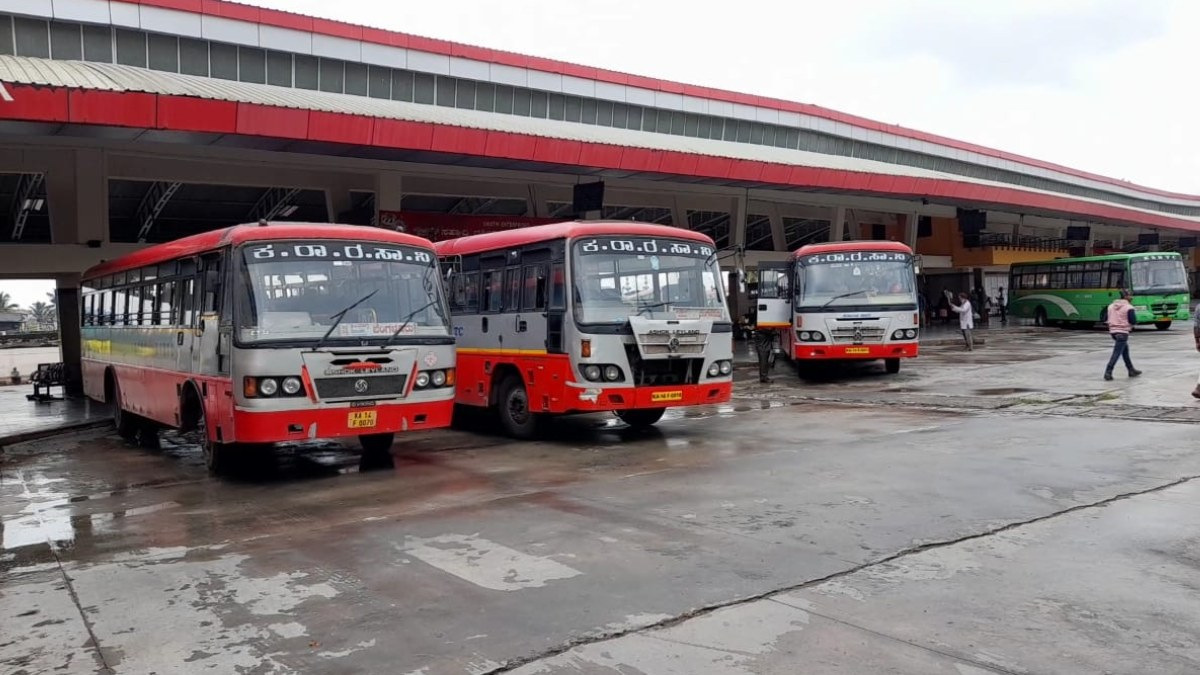
Public transport is a very important part of daily transportation in Bengaluru as lakhs of commuters use it each day. Maintaining professionalism in passenger interactions and adherence to operational rules is essential for preserving trust in the system.
'No change? Get off the bus, BMTC conductor told the Transport Minister himself to get off the bus
— Siraj Noorani (@sirajnoorani) July 12, 2026
Karnataka's Transport Minister BYRATHI Suresh conducted a surprise inspection of a BMTC bus in Bengaluru. During this, he boarded the bus like an ordinary passenger wearing a face… pic.twitter.com/jNK1V3fZCx
Once the departmental inquiry has been completed, KSRTC will be making a decision based on all the evidence and is expected to provide it in advance. It is possible that recommendations will also be made to improve fare collection practices, enhance staff training, and develop cashless ticketing solutions to prevent similar incidents in the future.
The outcome of the investigation will be closely watched, as it will influence future operational guidelines and reinforce the importance of balancing rule enforcement with courteous public service in Karnataka's public transport system.