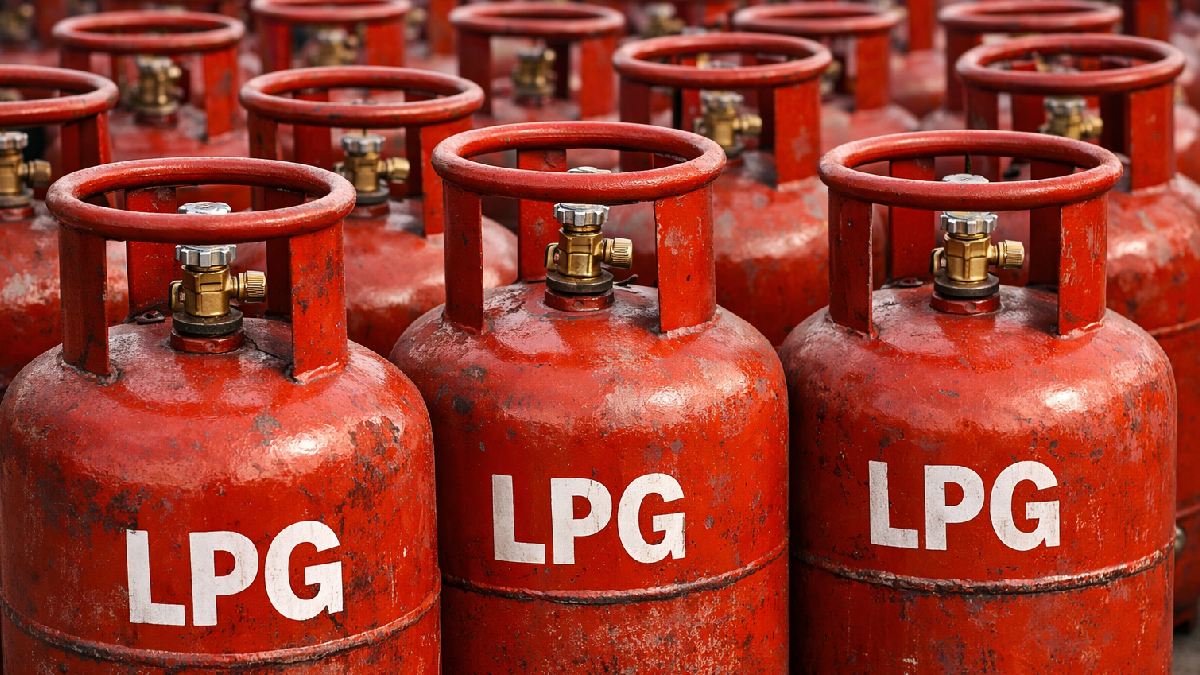
Concerns are mounting over a growing LPG shortage across India, with multiple sectors reporting disruptions that are beginning to impact businesses, workers, and daily life. While the Centre maintains that the situation is under control, reports from industrial hubs suggest otherwise.
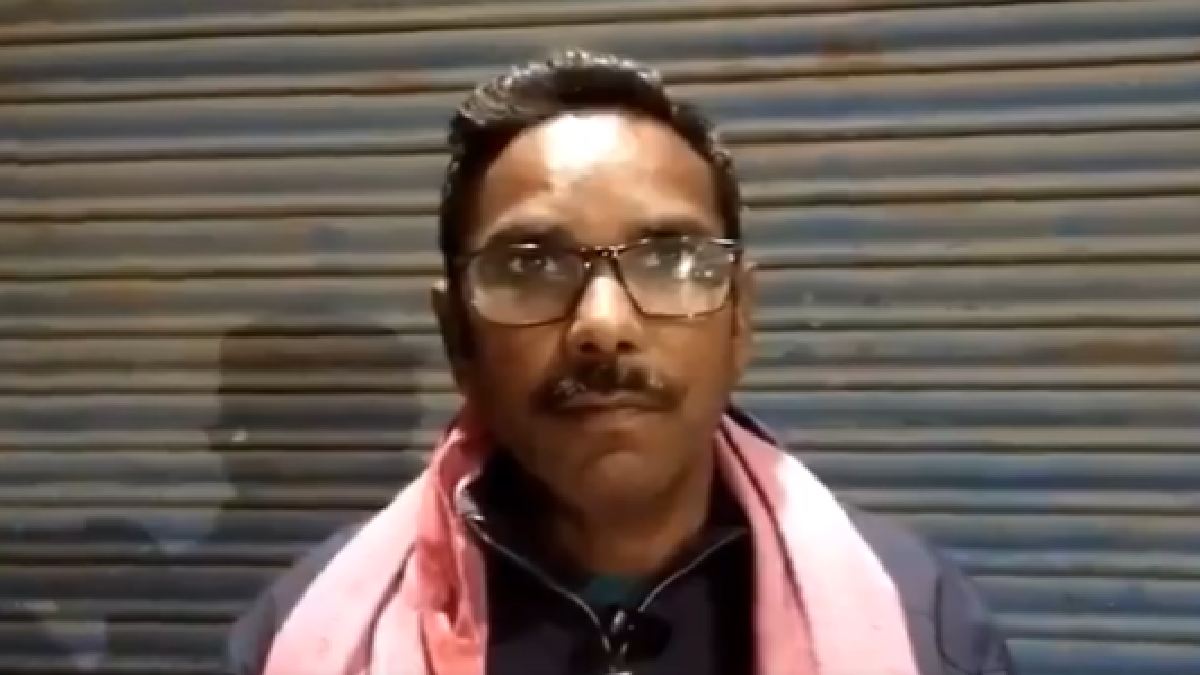
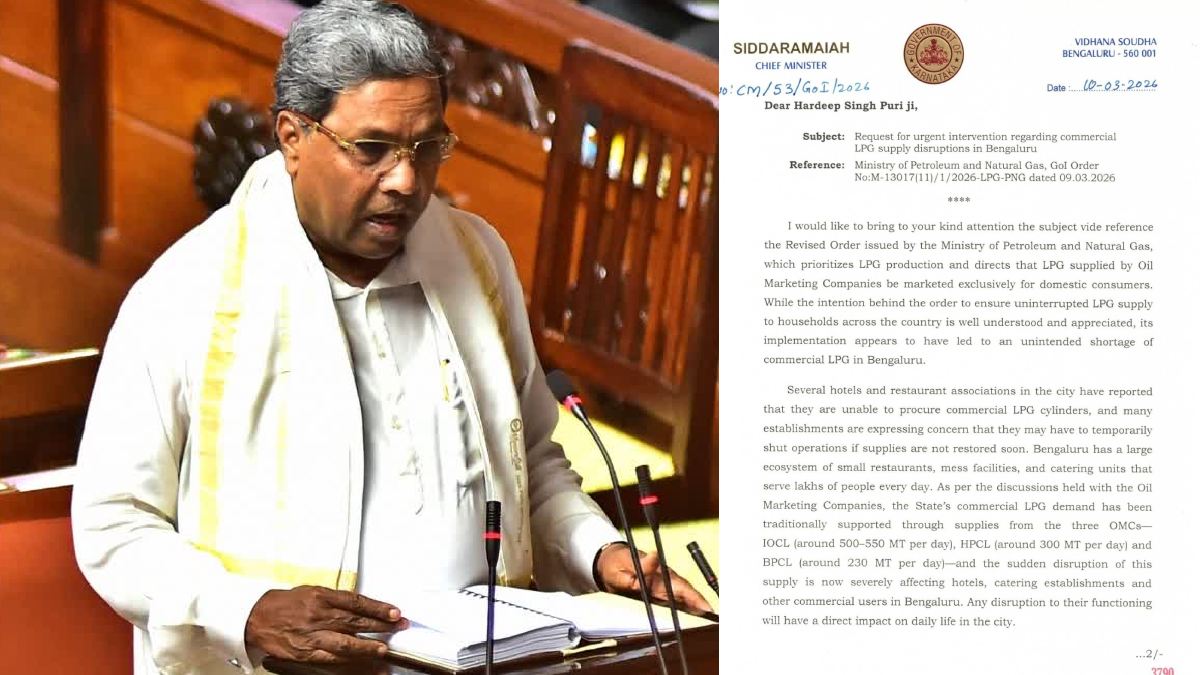
In Bengaluru, the Peenya industrial area one of India’s largest MSME clusters is facing significant stress. Nearly 3,500 micro, small, and medium enterprises (MSMEs) are reportedly on the brink of shutdown due to inadequate gas supply. Industry stakeholders warn that this could lead to job losses, reduced exports, and broader economic ripple effects.
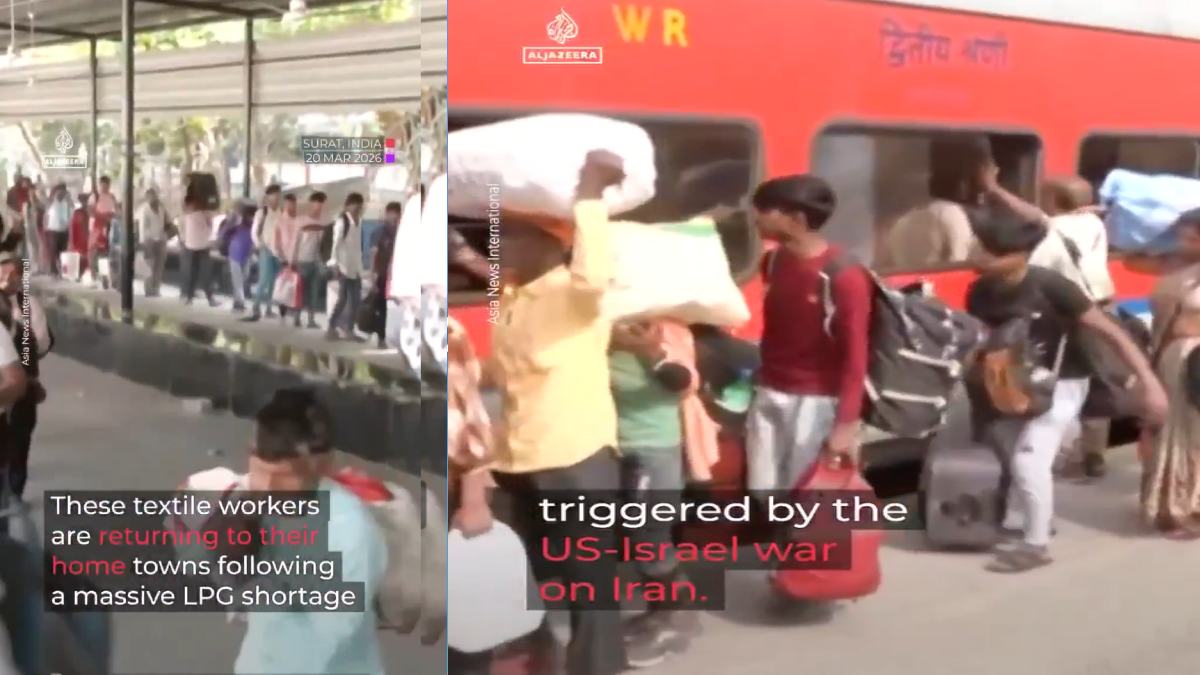
The impact is also visible in Surat, where gas shortages have disrupted industrial operations, forcing many migrant workers to return to their hometowns due to lack of work. Similarly, in Morbi known as India’s ceramics hub many factories have remained shut for weeks, highlighting the severity of the situation.
The LPG crisis has clearly hit home. The pinch is visible across sectors but the Centre continues to downplay it.
— Priyank Kharge / ಪ್ರಿಯಾಂಕ್ ಖರ್ಗೆ (@PriyankKharge) March 21, 2026
In Peenya, one of India’s largest industrial clusters located in Bengaluru, nearly 3,500 MSMEs are on the brink of shutdown with cascading impact on jobs, exports… pic.twitter.com/morykc6IrX
The automotive sector has not been spared either. Tata Motors has reportedly reduced production by around 50% at its Sanand plant in Gujarat due to supply constraints.
The hospitality industry is also facing challenges, with hotels struggling to procure commercial LPG cylinders. Reports suggest that limited supplies are being sold in the black market at inflated prices ranging between ₹5,000 and ₹7,000 per cylinder.
Critics argue that the current situation mirrors past crises such as Demonetisation, the rollout of Goods and Services Tax, and disruptions seen during the COVID-19 pandemic, as well as the 2022 coal and power shortages.
On the other hand, the government led by Narendra Modi has stated that there is no widespread crisis and has accused opposition voices of exaggerating the situation.
However, industry experts caution that prolonged supply disruptions could deepen the economic impact, especially for small businesses and daily wage workers who are most vulnerable.
As the situation evolves, stakeholders are calling for urgent intervention, better supply management, and transparent communication to prevent further escalation of the crisis.