On the 20th of March 2026, Maharashtra Navnirman Sena head Raj Thackeray announced the launch of “Maharashtra Next” at the party’s annual Gudi Padwa rally at Shivaji Park in Mumbai. The platform aims to hear ideas from citizens, and then construct a plan for the state moving forward. Thackeray used the launch to draw attention to issues of debt, governance and social issues and to present the initiative as a people‑driven alternative to current policies.
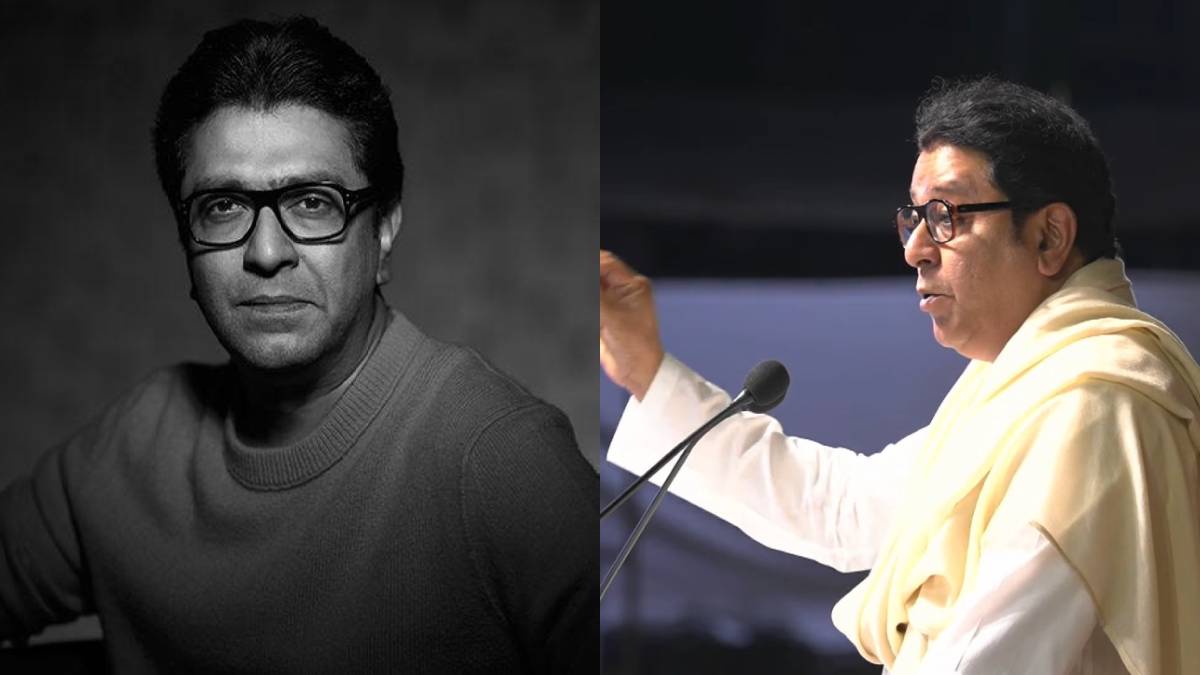
“Maharashtra Next” enabled ordinary citizens to submit ideas for development, Raj Thackeray said. The platform would use digital platforms and a combination of public meetings to collect data on voters’ views, in order to develop a new vision for Maharashtra, he said. It was also a symbolic and strategic one, as the launch coincides with the 20th anniversary of the MNS.
Thackeray went on to criticize the state government during his speech for not managing its finances and governance. Maharashtra’s debt, on the other hand, stands at nearly ₹11 lakh crore, and the burden could impact future generations, he said. He expressed alarm also about law and order, referring to National Crime Records Bureau (NCRB) data on missing children cases. Thackeray says these are all instances of poor governance, not responsibility and care.
“Maharashtra Next” wants people directly involved in shaping policy. Developments should not be determined by politicians alone but should be rooted in the experience; Thackeray stressed. He encouraged people from both urban and rural areas to pay their share, adding that unchecked urbanization should not be at the expense of rural neglect.
It’s happening in a moment when Maharashtra is facing balancing economic growth, social welfare and infrastructure needs. Thackeray seeks, with his launch of “Maharashtra Next”, to re-establish MNS as a crucial force in state politics. Analysts have interpreted it as both a visionary project and a political move to make up for lost ground in big‑party‑ridden scenes.
“Maharashtra Next” is Raj Thackeray’s effort at joining together democratic citizen participation and political thought on this scale. But it has already created debate across the state, and critics wonder whether it can sway policy at all. For backers, it is an opportunity to envision what a better tomorrow might bring for Maharashtra. For Thackeray, it’s about establishing that his party isn’t just anti‑government but is prepared to offer solutions.