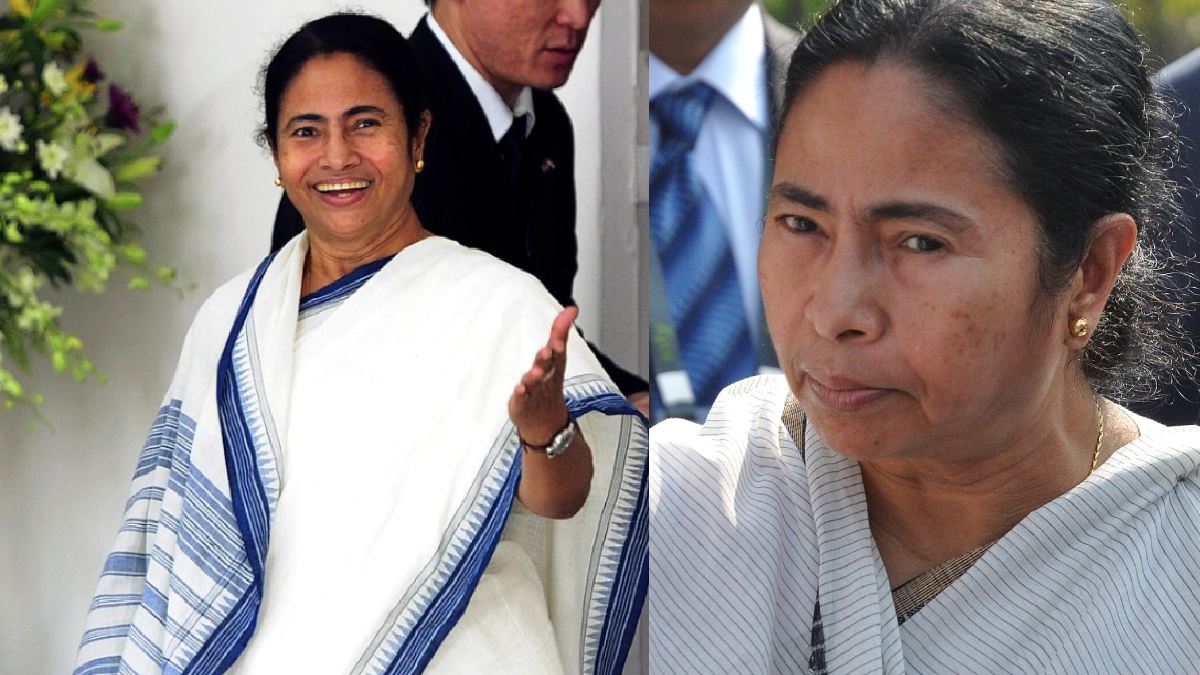
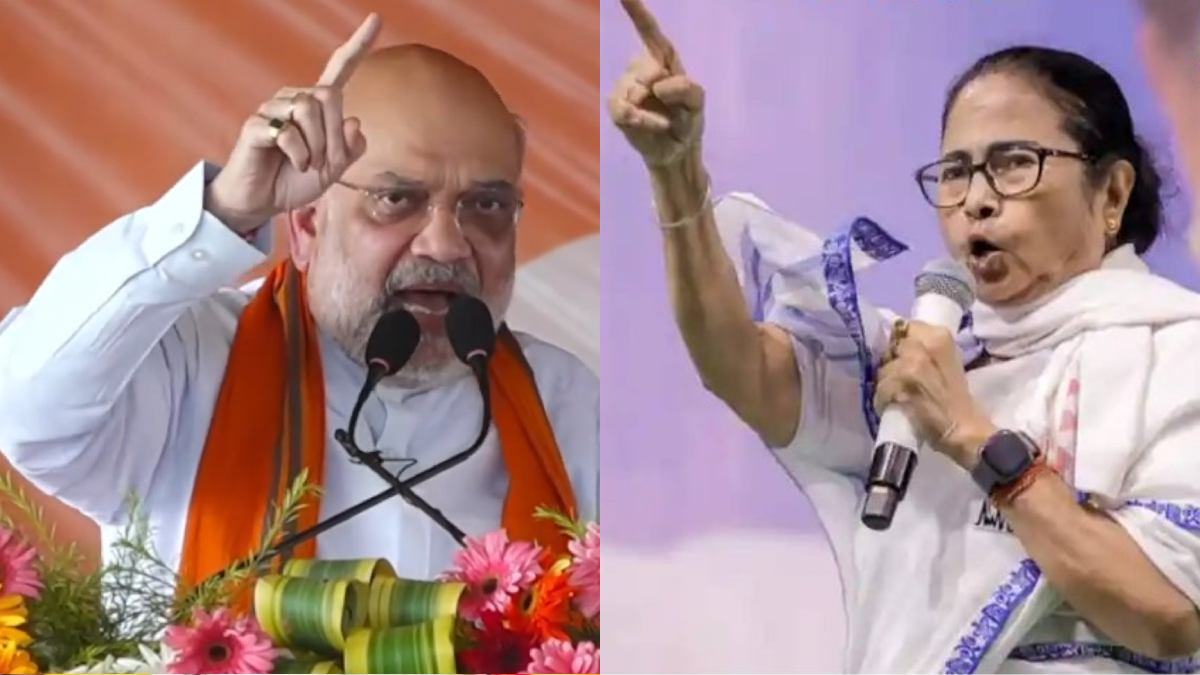
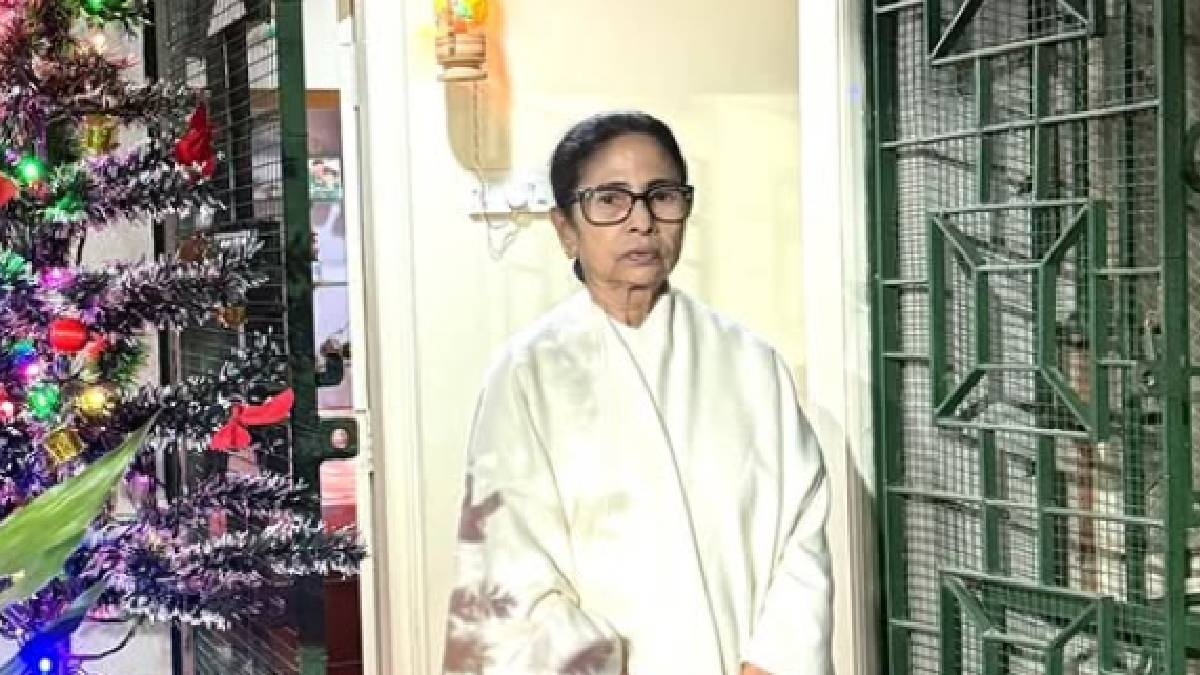
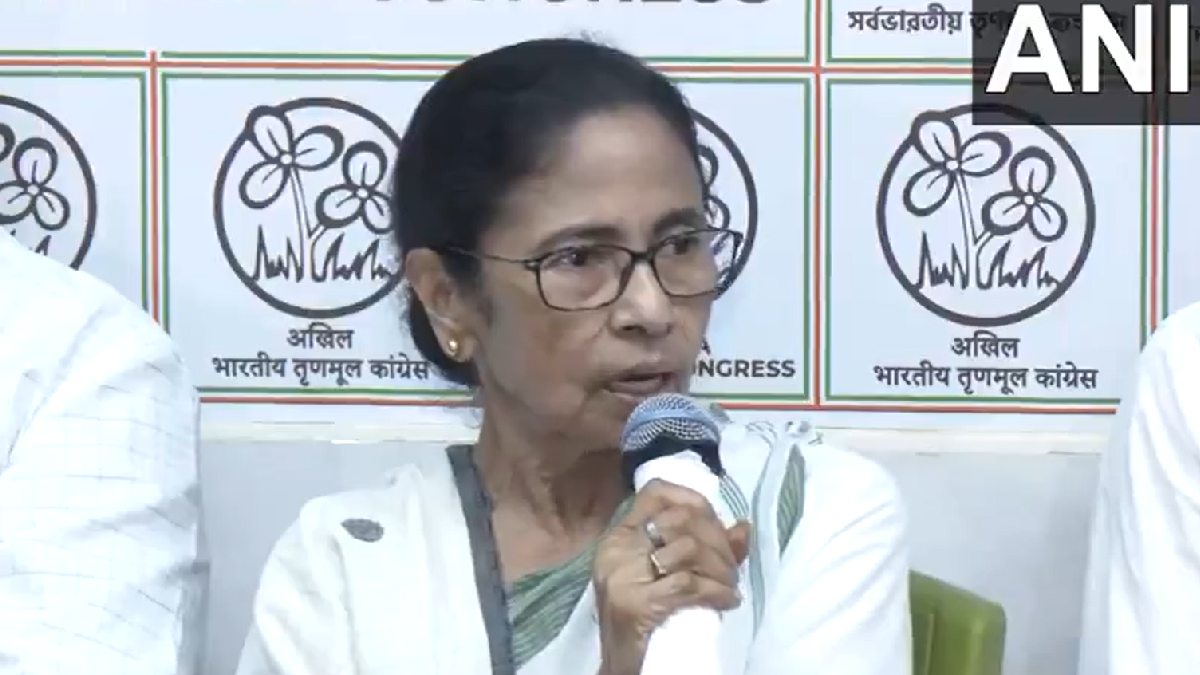
Mamata Banerjee (West Bengal Chief Minister and Trinamool Congress (TMC) chief Mamata Banerjee) also found herself divided on whether she should contest the upcoming by-elections in Nandigram and Rejinagar. A few in her party were advising the party to stay out of the electoral battle because the bypolls will put pressure on party workers and could cause the organisation to be weakened, she said at a meeting in her home.
The disagreement between the TMC and the BJP underlines the divergent views on how the party should approach the two key constituencies. Senior leaders like Derek O’Brien, Kunal Ghosh and Dola Sen were among those who believed that the party had limited chances of winning the bypolls, the newspaper said. They said that supporting Congress candidates would be a more logical option than taking on the BJP in the constituencies.
According to the report, the leaders were also worried about the potential effects for grassroots workers. TMC workers could find themselves under significant pressure from the ruling political establishment if the party stayed in the race. For this reason, the Congress candidates were seen by some in the leadership as a route to avoid exposing its organisation to the pressure of the ruling political party.
Mamata Banerjee was close to accepting this line of thinking before senior TMC leader Kalyan Banerjee made a different point of view. According to a source familiar with the situation, Kalyan Banerjee said the party’s withdrawal from the bypolls could pose a serious problem to the party in a long-standing political dispute over political identity, name, symbol and financial resources of the party.
His intervention was apparently one of the main reasons Mamata Banerjee decided to take the party into the electoral contest. So instead of stepping down, the TMC brought in candidates and kept its presence in both seats. The decision was very much a matter of party leadership on the electoral strategy.
The dispute was particularly apparent when Kunal Ghosh criticized the decision to contest the bypolls in a Facebook post. The post was later deleted. The reason why was not specified in the material but it only fueled speculation about the way in which the party might have approached the elections.
The situation in Rejinagar also added uncertainty to the TMC's campaign. Rabiul Alam Chowdhury (who was expected to represent the party) withdrew from the competition but later came back to the race after talks with Mamata Banerjee. The development only accentuated the uncertainty of the party's electoral preparations for the constituency.
Nandigram was a separate challenge for the TMC. The party was also dealing with the political fallout of Sanchita Pradhan Dey's resignation from her MLA position. Her departure further complicated the organisation as it prepared for the bypoll and attempted to consolidate its position among voters.
The developments have thus brought an internal strategic debate in the TMC into focus. As a group, the leadership considered participation in the bypolls as a costly exercise, while others felt that withdrawal would have longer-term organisational and political implications.
For Mamata Banerjee, the final decision to contest is a decision to maintain the TMC’s electoral presence in Nandigram and Rejinagar despite concerns raised by some senior leaders. The episode also demonstrates how electoral calculations, organisational calculations and internal party disputes can influence decisions ahead of closely watched by-elections.
With the TMC involved in the fight, the attention will now turn to the party’s campaign strategy and how its workers and voters will respond. The bypolls will also show how the competing political forces are situated on the ground but the outcome will ultimately be determined by voter turnout and the final polls.