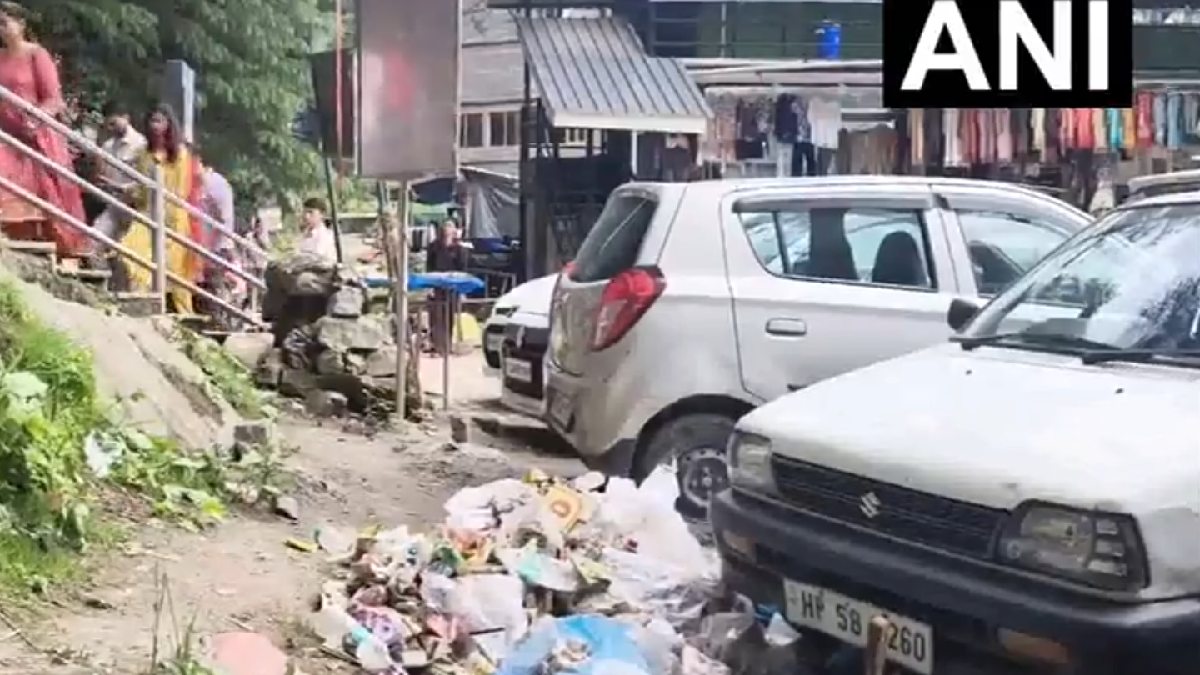
Manali, one of India’s most popular hill destinations, is facing a growing waste management crisis as the tourist season brings record numbers of visitors to the Himalayan town. And so, all of a sudden, garbage bins are overflowing, plastic waste is thrown all over a beautiful spot, drains are clogged and the air is filled with bad smells.
So serious is the problem that local people, environmental experts, and tourists are even wondering if Manali can’t sustainably cope with the millions of visitors it gets every year.
At the heart of the problem is the city’s waste processing plant. Manali's waste treatment plant was made to take 20 to 30 tonnes of garbage every day. But during peak tourist times waste generation on average is 70 to 100 tonnes a day, well beyond the facility’s intended capacity.
Because of the city, garbage is accumulating at a number of key places, including the city’s entry points, the Volvo bus stand, HRTC bus stand and areas around Lady Willingdon Hospital. They are often confronted with overflowing trash and stinky odours before they even get to the top tourist attractions.
The problem is widespread in many of Manali’s most visited places. Mall Road, the city’s most bustling commercial centre, is littered with litter, gutkha stains and a lack of dustbins, residents say. Local residents point out that there are only two or three dustbins along a large stretch of the road and demand that 10 or 15 more bins be installed to help control waste disposal.
Environmental issues are particularly apparent in popular tourist destinations such as Rohtang Pass, Solang Valley, Hadimba Temple, Van Vihar and Nature Park. Plastic bottles, food wrappers and discarded single-use plastics can often be seen along pathways and scenic viewpoints despite Himachal Pradesh’s long-standing ban on single-use plastic products.
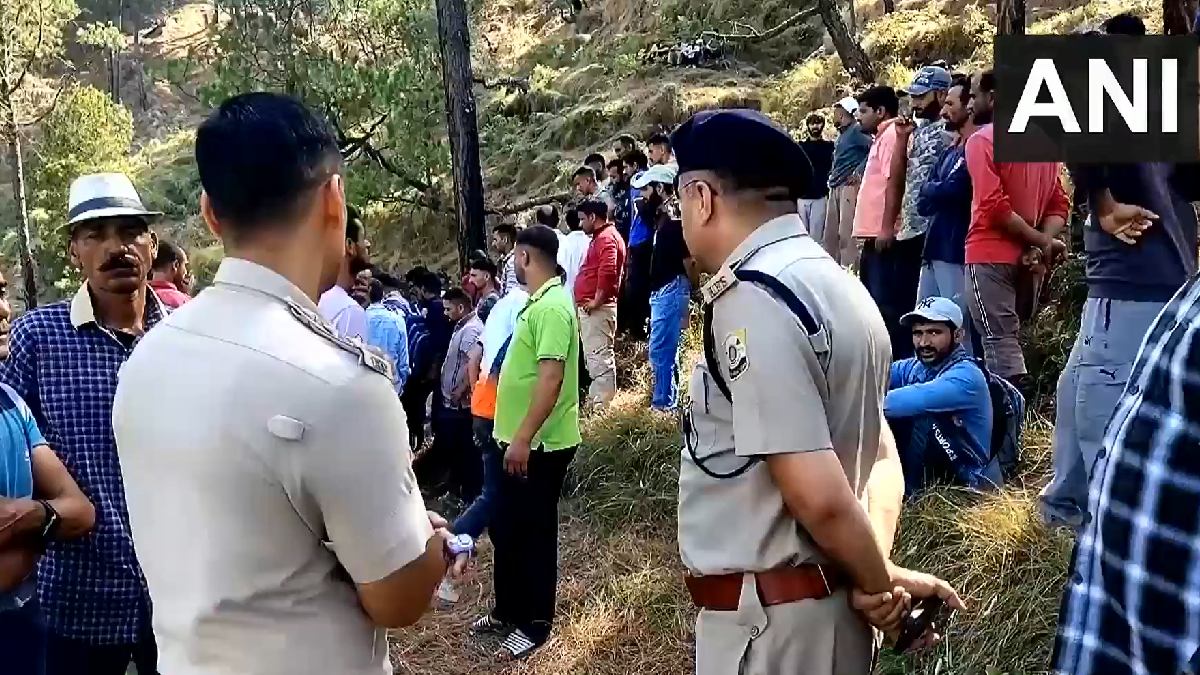
#WATCH | Himachal Pradesh | Hill town of Manali faces severe garbage crisis due to influc of tourists in large numbers; locals and various stakeholders raise concerns over cleanliness pic.twitter.com/L0EW7WQ7kS
— ANI (@ANI) June 19, 2026
The growing waste problem is particularly concerning ahead of the monsoon season. Plastic waste has already clogged drains and natural water channels, especially on Gompa Road and nearby areas, say experts. If flooding occurred when heavy rains hit, these drainage systems would be blocked and waterlogging, flash floods and infrastructure damage would follow.
Many locals also question where the ₹200 green tax collected from every tourist vehicle entering Manali is being spent. But so far, residents say waste management systems have not kept pace with growing tourist numbers.
Tourists have also been involved in the discussion. Ankush Garg, a Delhi visitor, said responsibility does not lie with the government alone.
"This country and this place belong to all of us. If we continue littering, nature will suffer and future generations may only hear stories about the snow and beauty that once existed here," he said.
But in the area now people are demanding tougher anti-littering laws, heavy penalties for violators, better waste collection mechanisms and even limits on the number of people that visit during peak seasons. Some environmental experts have recommended something like mandatory waste bags for tourists and reward-based recycling programs that have worked well in other countries.
The problem is not limited to Manali alone. Himachal Pradesh generates around 375 tonnes of waste daily, putting pressure on municipal systems across the state. But Manali is the face of Himachal tourism; so the struggle has become a warning sign about the environmental cost of unchecked tourism growth.
The challenge facing Manali is now clear: how do you balance tourism with growth and environmental protection before the mountains of garbage become as famous as the mountains themselves?