The Congress Member of Parliament Manickam Tagore has warned rivals that if the Congress is attacked, “no party will be spared.” His warning comes at a time of growing political tension and high stakes by political sides in the midst of a period of tension between the political parties, just as the country was going to go to the polls in 2016, and when the people of India had never seen such a heated political debate.
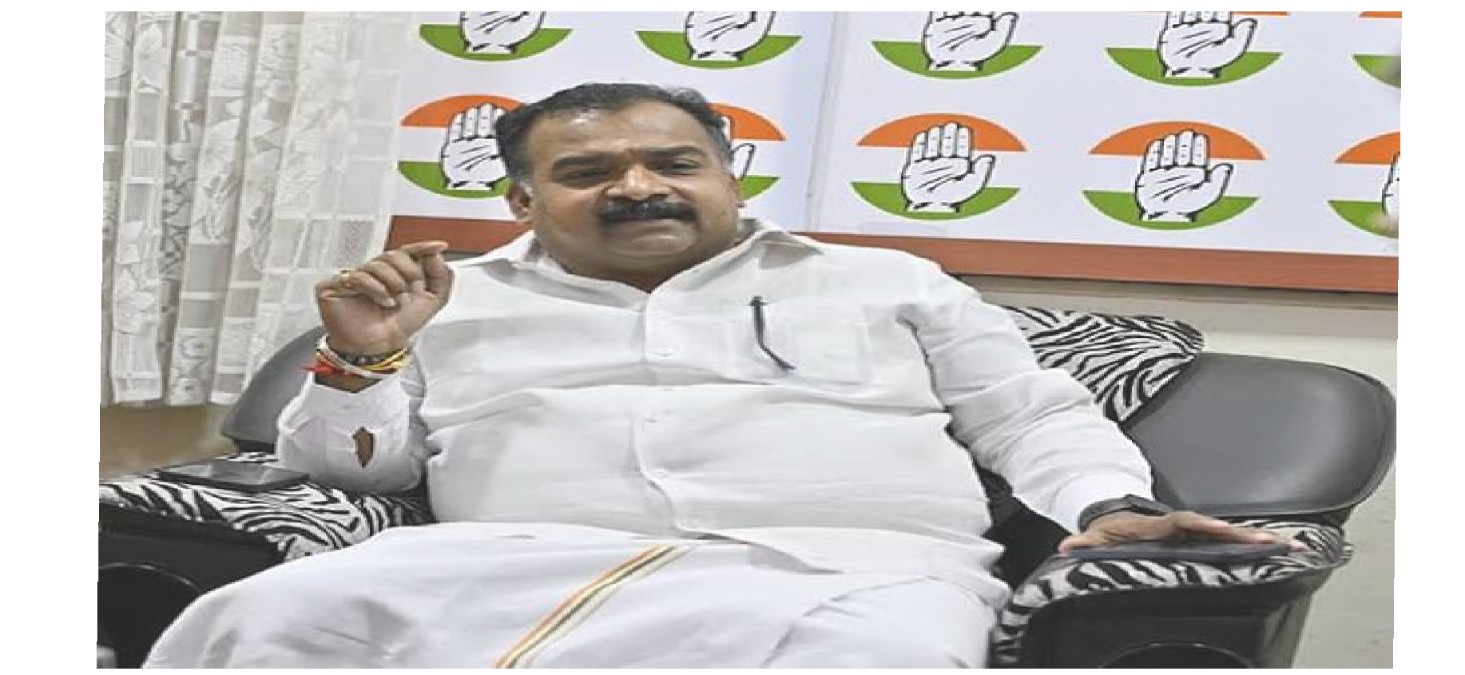
The Congress, Tagore said, would not be silent in the face of politically motivated attacks or attempts to undermine the party. The Congress is ready to respond aggressively with democratic and political means whenever it’s targeted, he said.
"Our party believes in democratic values, but if anyone attacks the Congress politically, we will respond. No party will be spared," Tagore said, and the opposition must stand up to what he described as unfair political tactics.
Escalating Political Rhetoric
Tagore’s comments have added to the growing war of words among political parties as Parliament and state-level political contests continue to dominate the national agenda.
Political observers say such statements indicate that the parties are now more competitive in order to build their support base. With elections and legislative debates frequently at stake on both sides, political leaders of the ruling alliance and the opposition are now more public than ever.
The Congress has repeatedly accused its political opponents of trying to weaken democratic institutions and suppress opposition voices. Opposition parties, for the most part, have denied that, in the political discourse, a political critic is treated as a matter of democracy.
Congress Reaffirms Aggressive Opposition Strategy
Tagore’s comment is an indication that the Congress is taking a more assertive stance in response to criticism and problems of political foes of the Congress and the Congress’s political opposition.
The young, high-ranking Congress leaders have recently stressed the importance of a unified front on issues like inflation, unemployment, farmers’ concerns, social justice, and governance, which have been made a priority in the current context of the party. The party has also tried to strengthen cooperation with the other opposition parties on issues that are being tackled in and out of Parliament, on issues such as unemployment and farmers’ concerns.
According to political analysts, the recent statements are consistent with the Congress’s broader strategy for projecting confidence and mobilizing its cadre before the upcoming elections.
Political Reactions
Tagore's comment quickly resonated across the political spectrum.
His comments were interpreted by Congress supporters as a signal to the public that the party would defend itself against political attacks and misinformation.
But political rivals were critical of the comments, arguing that political disagreements should be about policy debates rather than confrontational rhetoric. Some opponents argued that the tone of the statement would not energize party workers because it was a bid to motivate them in a political climate of increasingly competitive politics.
Political commentators observed that sharp exchanges between party leaders have become increasingly common, particularly as parties try to consolidate their voter base and shape public narratives.
Importance of Democratic Debate
While political speeches have been laced with strong language, constitutional professionals argue that India's democratic system invites robust debate from people, but political disagreements can be peaceful and in keeping with democratic institutions.
Adults and policymakers in political campaigning, parliamentary discussions, and public meetings often have their ears open to criticism from the other side. But experts say that if political dialogue is initiated, we will ultimately have democratic governance.
Tagore himself has also explained that the Congress remains committed to democratic modes of political engagement and that the party will continue to do so through constitutional and political channels.
Opposition Dynamics
The statement also comes as opposition unity and coordination on national issues continue to be discussed.
The Congress has been working with several regional parties on governance, economic policy, and parliamentary strategy. At the same time, political competition between opposition parties in different states still influences alliance dynamics.
The evidence indicates that senior leaders' strong public statements often serve several objectives: strengthening the party workers’ confidence and political messaging, and motivating supporters to be determined to follow them.
Looking Ahead
Manickam Tagore’s comments like these will be part of the larger argument between the ruling alliance and the opposition as India’s political ecosystem gets ever more active.
Whether it is to address Parliament, campaign in elections, or respond to political criticism, parties are likely to continue to make use of strong rhetoric to communicate their positions and mobilize their supporters.
For now, Tagore's declaration that "no party will be spared" if the Congress is targeted has added another chapter to the country’s evolving political discourse. The comments have received close attention, but political parties will continue to have to deal with voters, respond to public concerns, and present their visions for governance in the coming months.