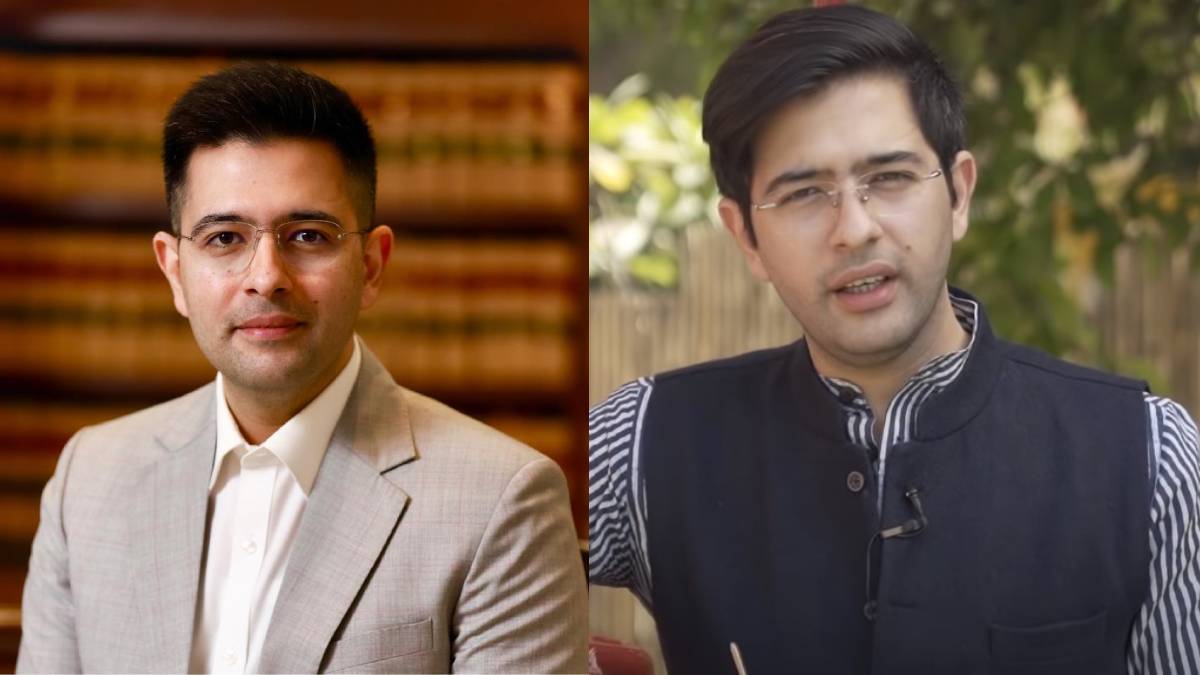
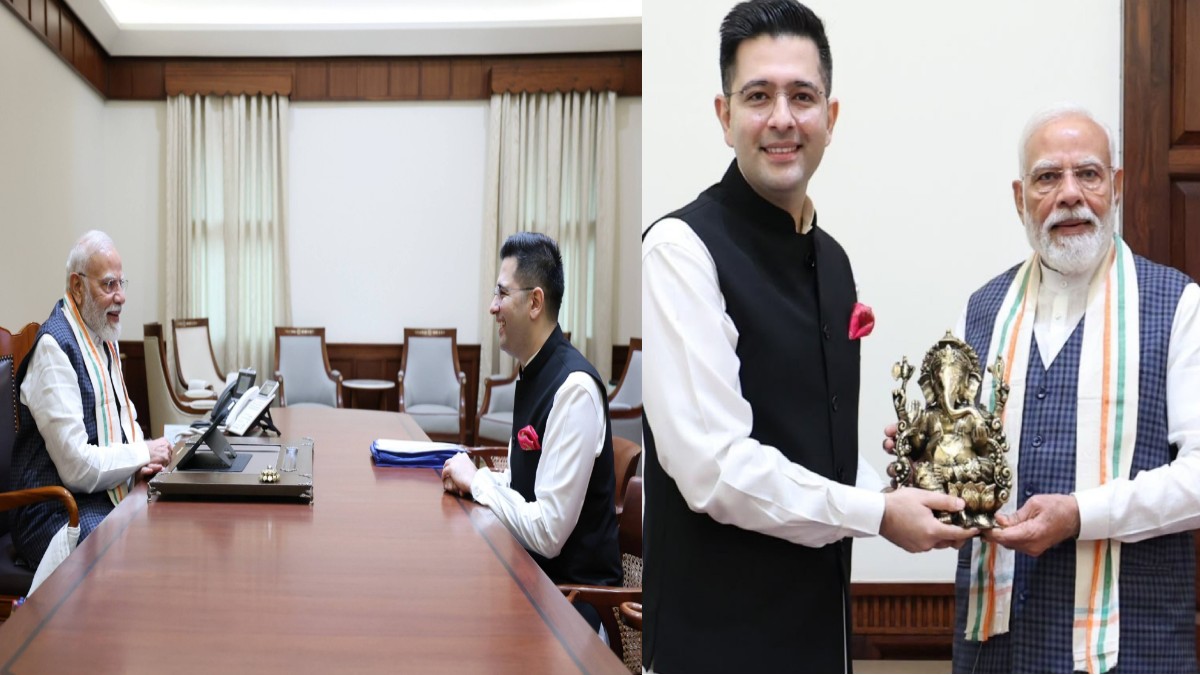
BJP Rajya Sabha MP Raghav Chadha in parliament raised concerns about alleged financial arrangements between some doctors and diagnostic centres, claiming that such practices may have led to high healthcare costs for patients and raised questions about medical ethics.
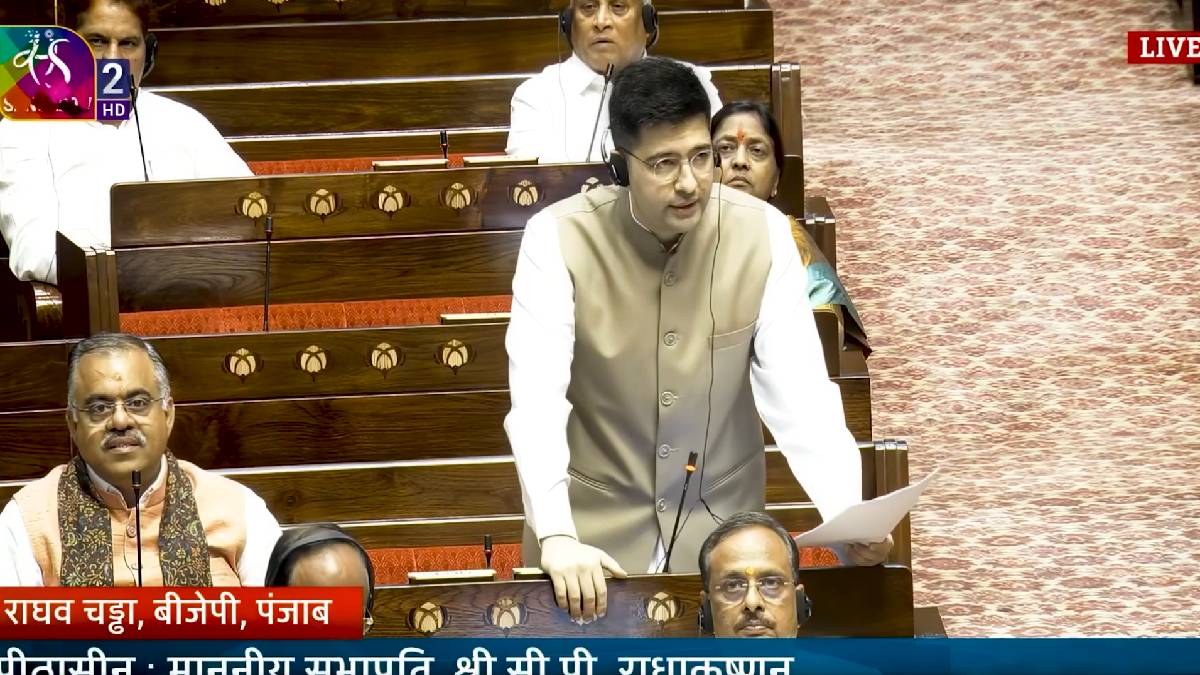
Chadha said that diagnostic centres categorize payments made to referring doctors as "marketing expenses" and doctors call it "referral commissions." These costs are ultimately borne by patients through their hospital and diagnostic bills, he said.
In Parliament today, I spoke on the “cut money” arrangement between some doctors and diagnostic centres/ pathology labs.
— Raghav Chadha (@raghav_chadha) August 6, 2026
Diagnostic centres call it "marketing expense." Doctors call it "referral commission." All gets added to Patient's hospital bill.
A silent transaction that… pic.twitter.com/Fi2CCfyGfc
Chadha said to the House:
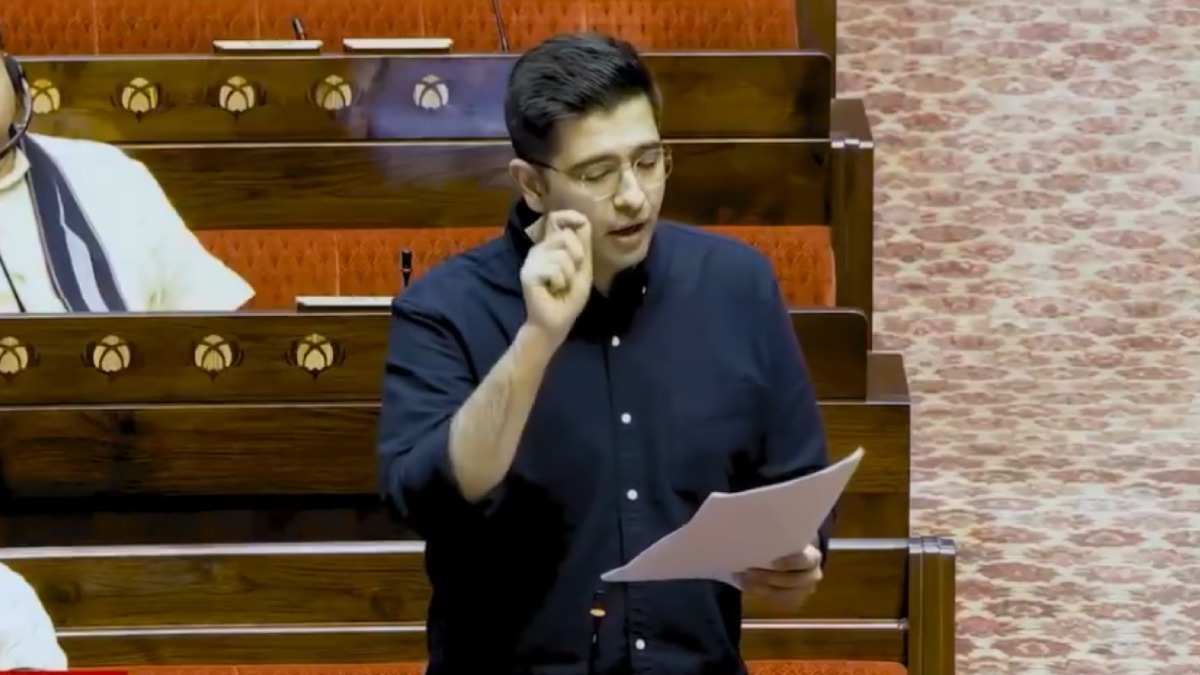
"Diagnostic centres call it 'marketing expense.' Doctors call it 'referral commission.' All is added to the patient’s hospital bill."
He also suggested that such arrangements, if they are in place, create a system in which referrals may be influenced by financial incentives rather than solely by the medical needs of patients.
Describing the issue as a "silent transaction," Chadha said:
"A silent transaction that isn’t about your treatment. It’s about who referred you."
The BJP leader called for more transparency in the relationship between healthcare providers and diagnostic laboratories but pointed out that patients should have confidence that every medical test recommended by a doctor is based only on clinical necessity.
The comments have once again raised the issue of ethics in India's healthcare industry. Medical ethics guidelines require doctors to treat patients and diagnose them in a manner that is in line with their ethical obligations, without the influence of money on their judgment. Professional bodies have always recommended that referral commissions or fee-sharing arrangements be opposed as being in conflict with ethical practice in medicine.
Healthcare experts say unnecessary diagnostic tests can drive up patient healthcare costs, especially in a country where most medical expenses are paid by the patients themselves. Transparency with billing and tighter regulations in medical practice may help the public to trust the system, they say.
Diagnostic laboratories, on the other hand, insist that marketing and outreach activities are normal in business. Any payments that may affect medical referrals could raise ethical and regulatory issues if proven.
Chadha’s allegations came from a parliamentary speech. Chadha did not name any doctor, hospital, or diagnostic centre and the claims have not been independently verified. There has also been no immediate response from medical associations, diagnostic industry bodies, or regulatory bodies regarding the statements.
Referral commissions have appeared at least occasionally in public dialogue in the past over the years, and there has been a growing desire for better oversight of healthcare providers. Strong regulatory frameworks, transparent pricing, and effective enforcement of ethical guidelines are key to ensuring that medical approaches are patient-centered rather than driven by financial incentives.
Chadha’s intervention is expected to contribute to the debate over healthcare transparency and accountability, and the concerns raised during the parliamentary proceedings are to be considered by many.