As Prime Minister Narendra Modi ended his three-nation tour of the world, the Ministry of External Affairs (MEA) defended his communication style after questions were raised about the absence of a press conference or media interaction during the visit.
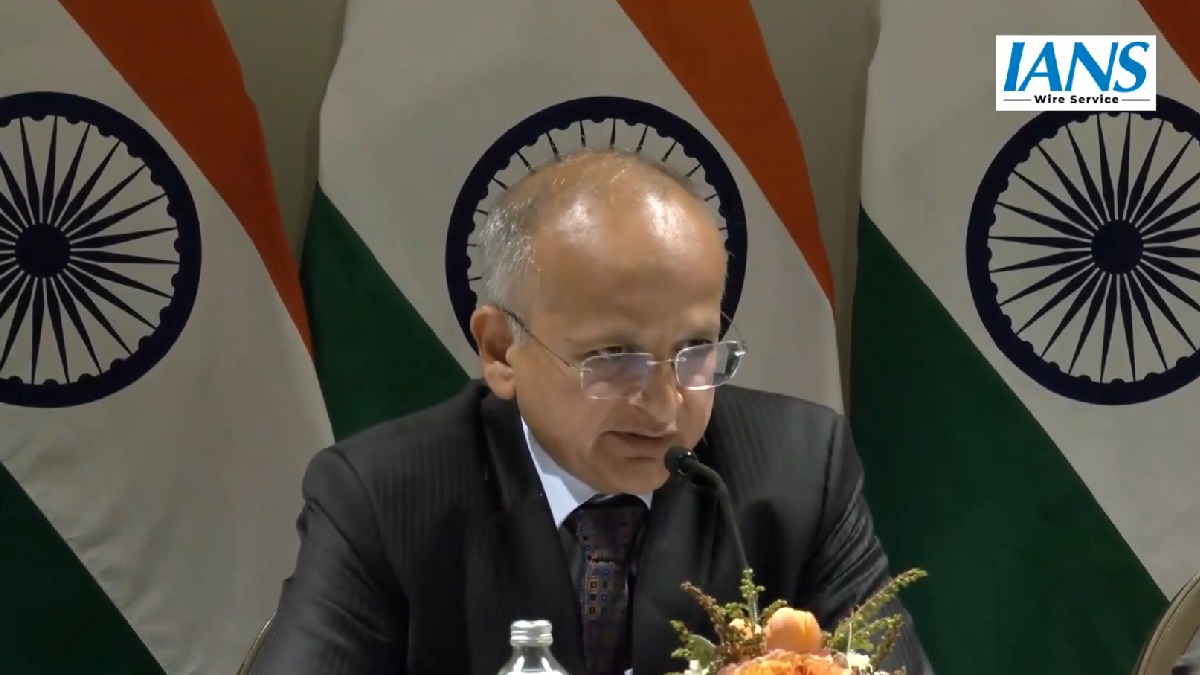
Responding to questions from journalists in New Zealand, MEA Secretary (East) Rudrendra Tandon said Modi is a "quintessential Indian politician" who is not looking to communicate in terms of intermediaries, but to people rather than dealing through intermediaries. “He is very much the kind of Indian politician who relates to people directly.” Tandon’s comments came on the heels of a media briefing at the end of the Prime Minister’s visit and was at the time he was asked why Modi did not take questions from the press during his overseas trips.
While Tandon said it was not appropriate for a civil servant to comment on the Prime Minister’s political methods, Modi’s approach reflected a long-standing tradition in Indian politics.
"Your question has a sense of déjà vu because a similar question was asked during the Prime Minister's visit to Norway earlier this year," Tandon observed.
He added that Indian politicians have traditionally relied on direct interaction with the electorate, in part because of the huge number of people in rural India.
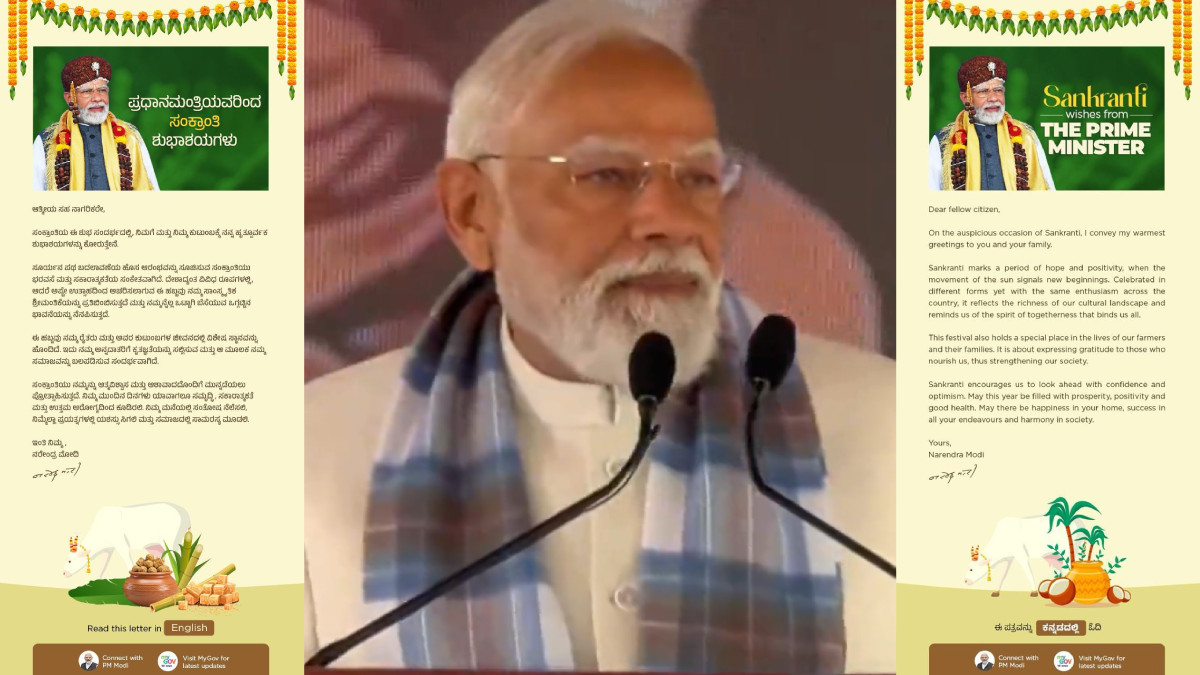
Modi is the archetypal Indian politician. Indian politicians tend to be very much into direct communication with their electorate. Most Indian politicians are, in the end, very much of the most direct people, and that's because India's population is mostly rural and people are more comfortable communicating directly with their leaders, he added. “They don't like being spoken down to or communicated with through intermediaries,” he said.
Modi developed this style of political communication over the years and he still enjoys public support because he is in touch with citizens very much with them, Tandon said.
"Mr. Modi has perfected the art of direct contact with his electorate, and he seems to be doing a rather good job of it. He is now serving his third term and is among the longest-serving Prime Ministers in India's history," he added.
Apart from questions about the Prime Minister's communication style, Tandon also highlighted the broader objectives of Modi's visit to New Zealand. He said strengthening a rules-based Indo-Pacific order remained one of the central themes of the visit.
"The purpose of this visit is to reinforce the rules-based Indo-Pacific order. New Zealand is an important partner for India in this region because both countries share a commitment to maintaining a free, open and rules-based Indo-Pacific order," he said.
The MEA said that the cooperation between India and New Zealand in the Indo-Pacific is only growing as both nations hope to develop regional stability, maritime security and economic ties.
The comments shared in the same vein from the MEA in May when Prime Minister Modi’s visit to Norway. At that time, a Norwegian journalist had asked why Modi did not take any questions from the media and the comparison between India and Norway’s Press Freedom Index.
Responding on that day, MEA Secretary (West) Sibi George defended India's democratic institutions and media landscape, saying that the country’s scale and diversity pose unique governance challenges.
"We are one-sixth of the world's population, but not one-sixth of the world's problems," George had said, while highlighting India’s democratic credentials.
The Prime Minister's limited interaction with the media has often been raised by political observers and journalists on both domestic and international visits. But government officials have always maintained that Modi's preferred method of communication is through direct public engagement, whether via public rallies, digital platforms, radio programmes such as *Mann Ki Baat* or interactions with citizens on official events.
The MEA also reminded India's diplomatic goals in terms of strengthening strategic partnerships, expanding economic cooperation and a stable, rules-based Indo-Pacific region while maintaining that Modi's communication style continues to be rooted in direct outreach to the people.