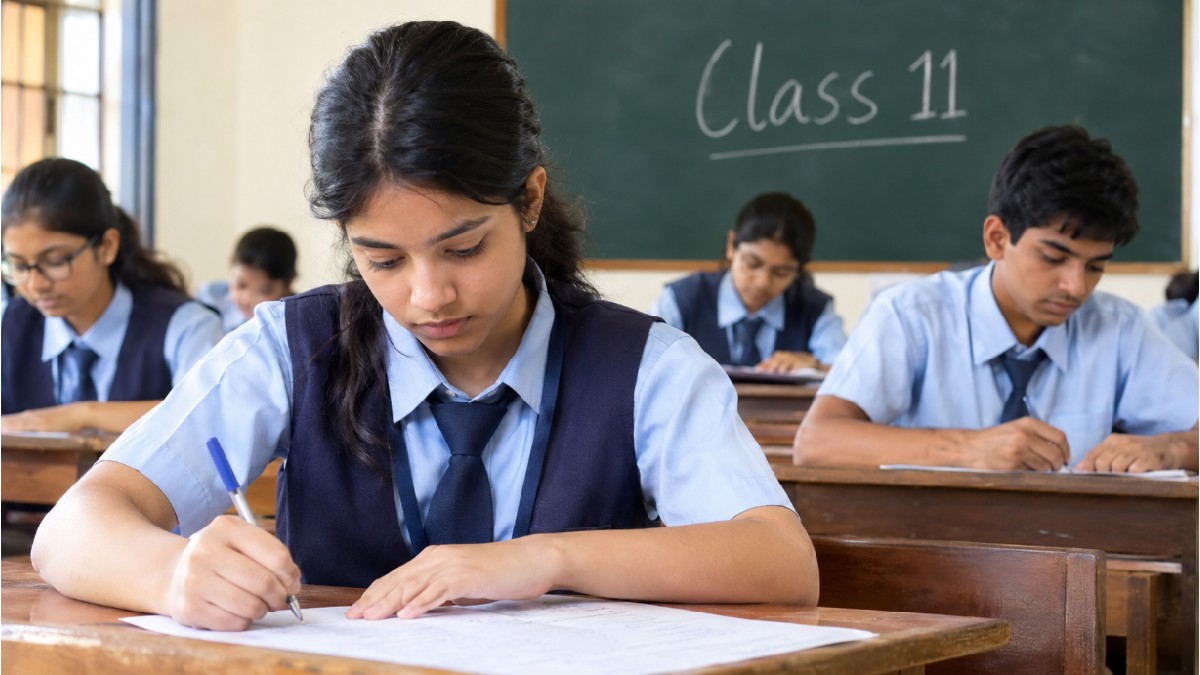
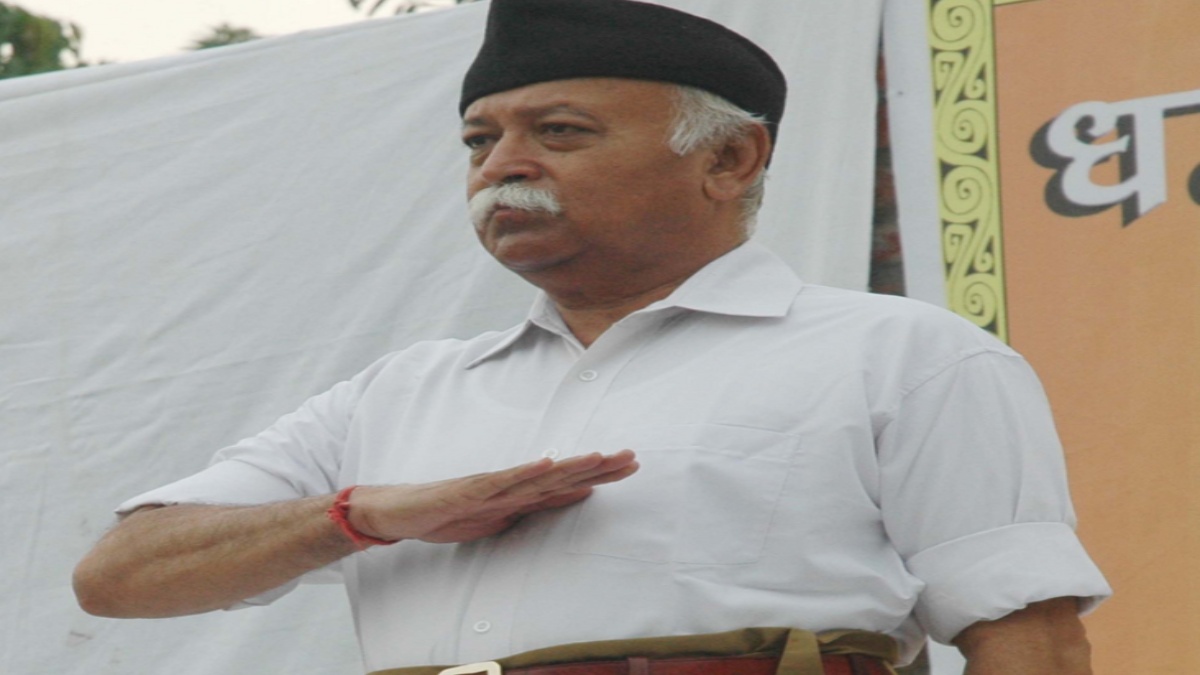
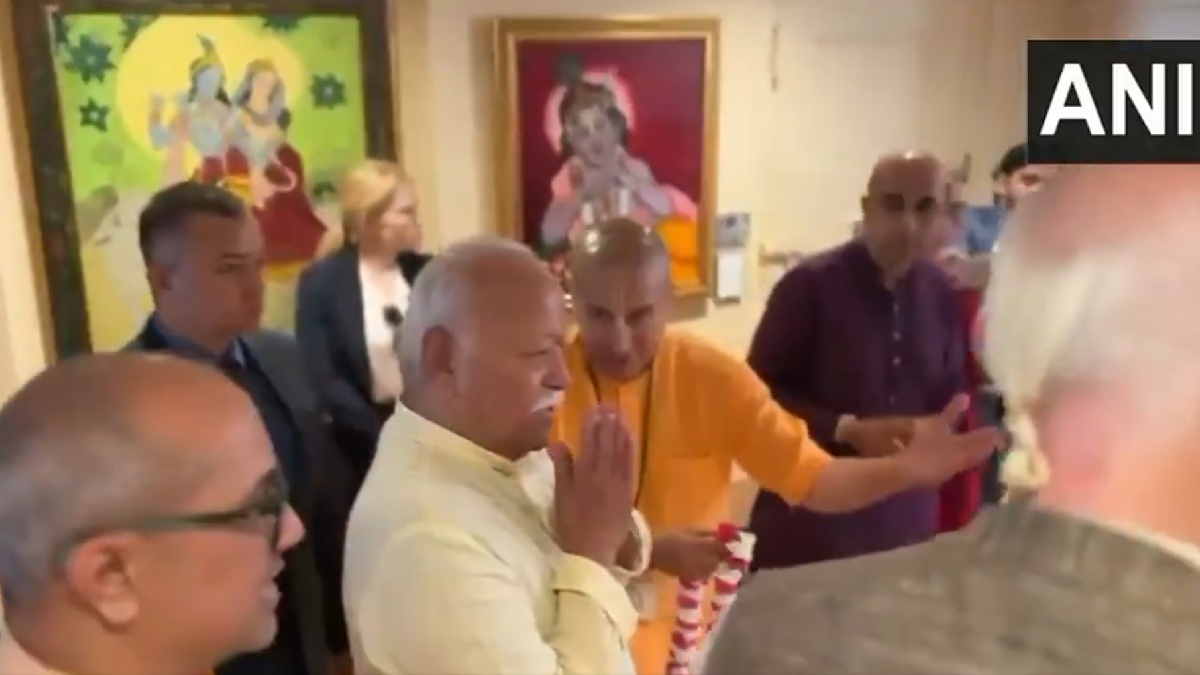
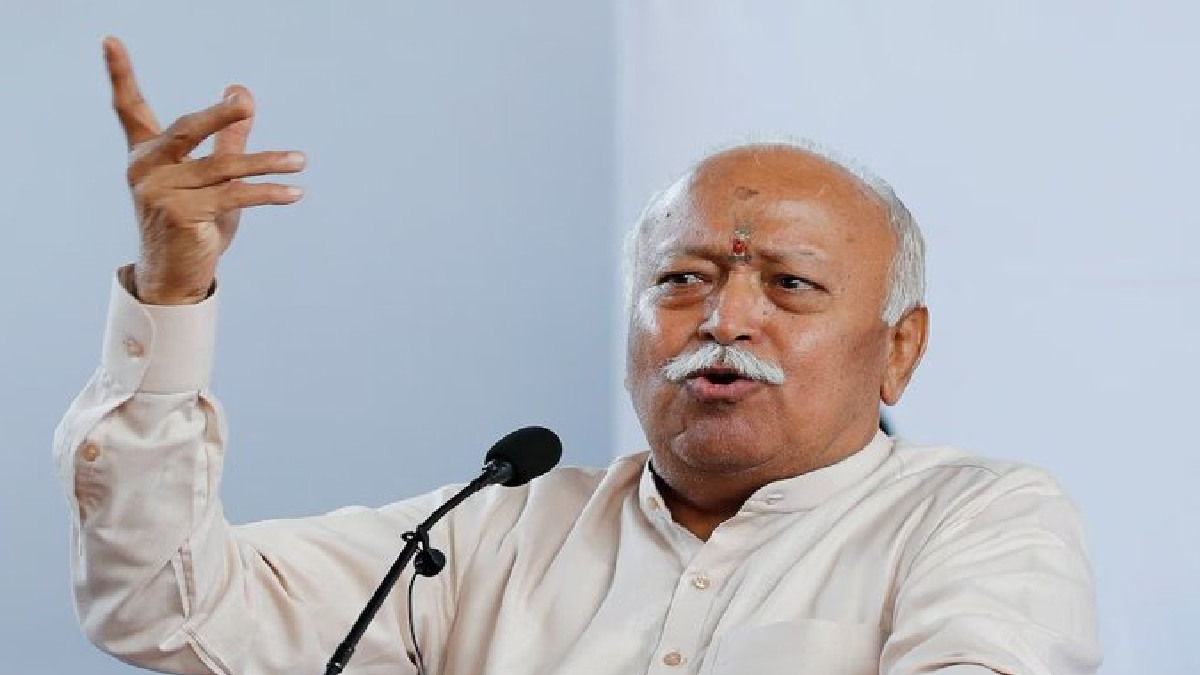
New Delhi: Rashtriya Swayamsevak Sangh (RSS) chief Mohan Bhagwat has said that the younger generation should not be seen as misguided or directionless. Today’s generation is not just thinking about their future but also about understanding and affection; it is to be understood that they need to have meaningful discussions rather than be given instructions without any explanation.
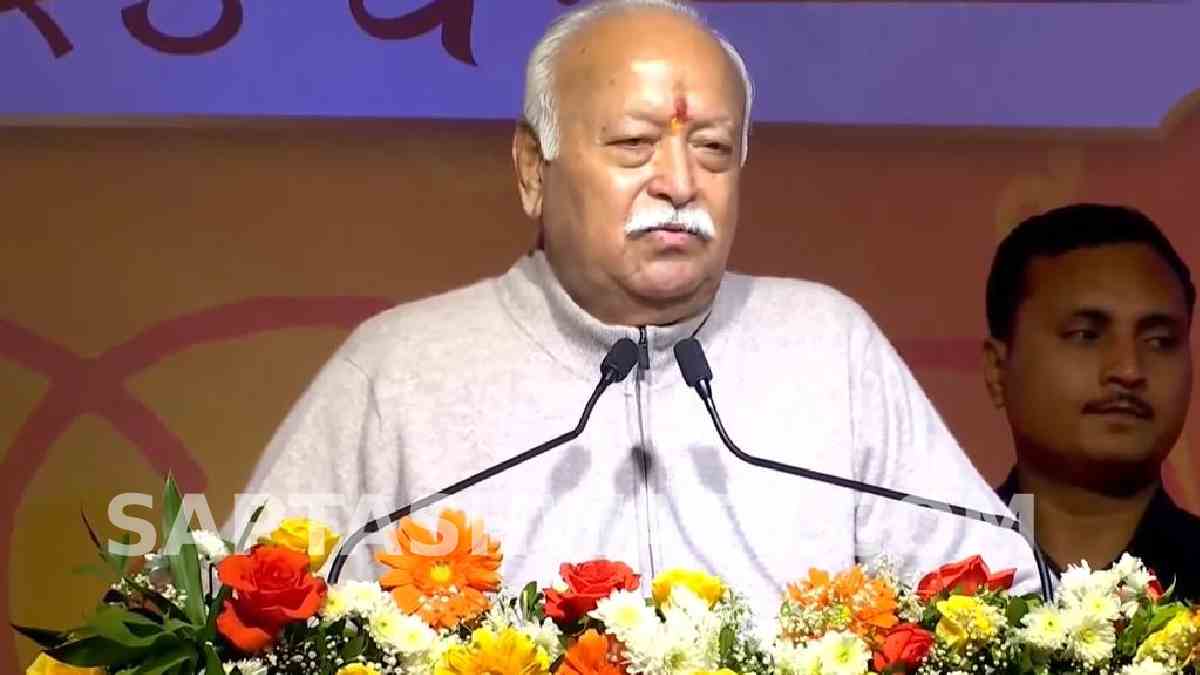
Bhagwat spoke at the Vishwa Mangalya Sabha on Friday about the changing relationship between generations, saying that today's youth are more interested and are looking for logical explanations rather than accepting what the elders tell them.
Bhagwat said that the way parents and elders communicate with young people has evolved over the years. Today’s youth are more likely to ask why they are being told something and want to have conversations before accepting advice, he said.
Today's youth are not misguided or directionless, Bhagwat said, adding that they should be approached with empathy and respect. Meaningful dialogue is far more effective than issuing commands or expecting blind obedience, he said.
The RSS chief said parents, teachers, and elders have to be responsible for the future of the younger generation. Rather than criticizing young people for questioning established beliefs, he said that adults should listen to and respond with care to the questions and that they should understand the issues more deeply.
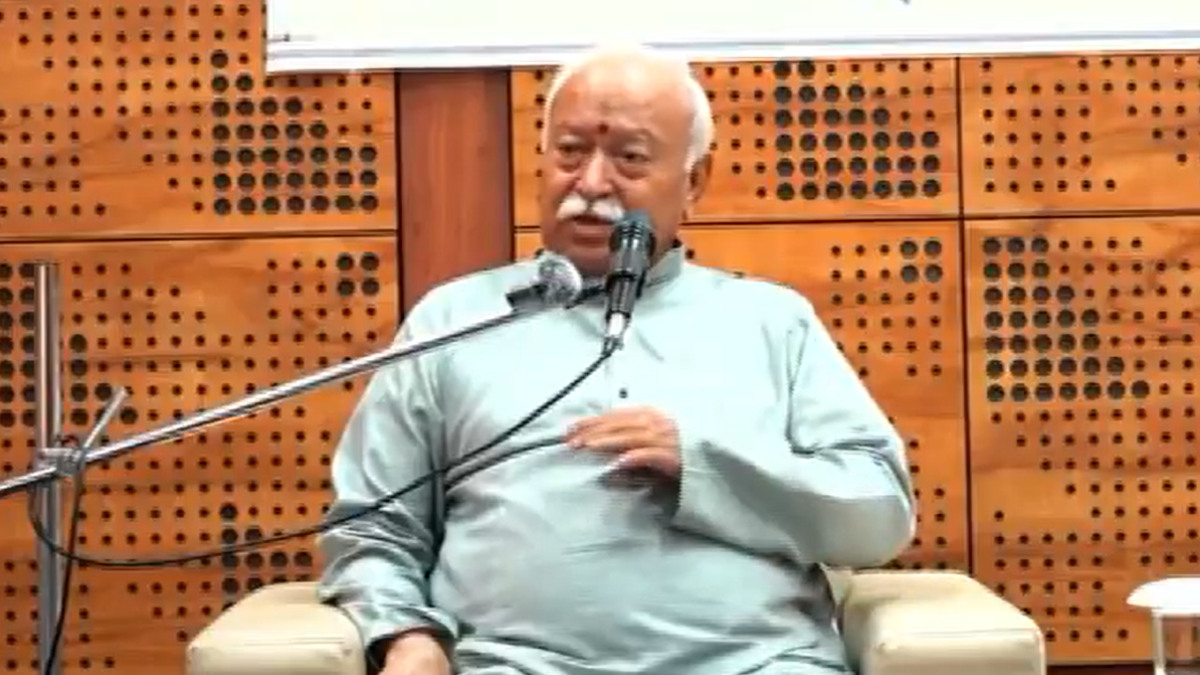
Bhagwat also emphasized the importance of building trust between generations. Respect and open communication can build relationships between families and society, and young people can have trust and confidence while being connected to cultural and moral values in society, he said.
The remarks came at a time when student-related protests over alleged examination paper leak allegations have been a point of national attention. Bhagwat did not directly mention the continued protests or the demonstrations at Delhi’s Jantar Mantar. He was more general in his speech and addressed the changing expectations of young people and the need for constructive engagement, which he said was the main theme.
Bhagwat’s comments, in the end, reflected a wider social change in how knowledge and authority are perceived. Young people who are now able to learn through a range of online resources and social media are more informed and are more likely to ask questions and seek rational explanations.
Educational experts have long held the view that dialogue and critical thinking lead to a better school spirit and lead students to be responsible and considerate citizens. Bhagwat’s words also reflected this as he said we can guide through conversation instead of authority.
He went on to say that understanding the aspirations and concerns of the younger generation is an important component of building a harmonious society. He said listening to their views, addressing their doubts, and engaging in meaningful discussion can help build better bonds and mutual respect.
Bhagwat's speech has attracted attention for its emphasis on communication, understanding, and generational change. While the comments were delivered in a broader social context, they have also sparked discussions about parenting, education, and leadership in contemporary India.
Bhagwat’s message is what we all know to be true: dialogue, patience, and empathy are the backbone of bridging generations.