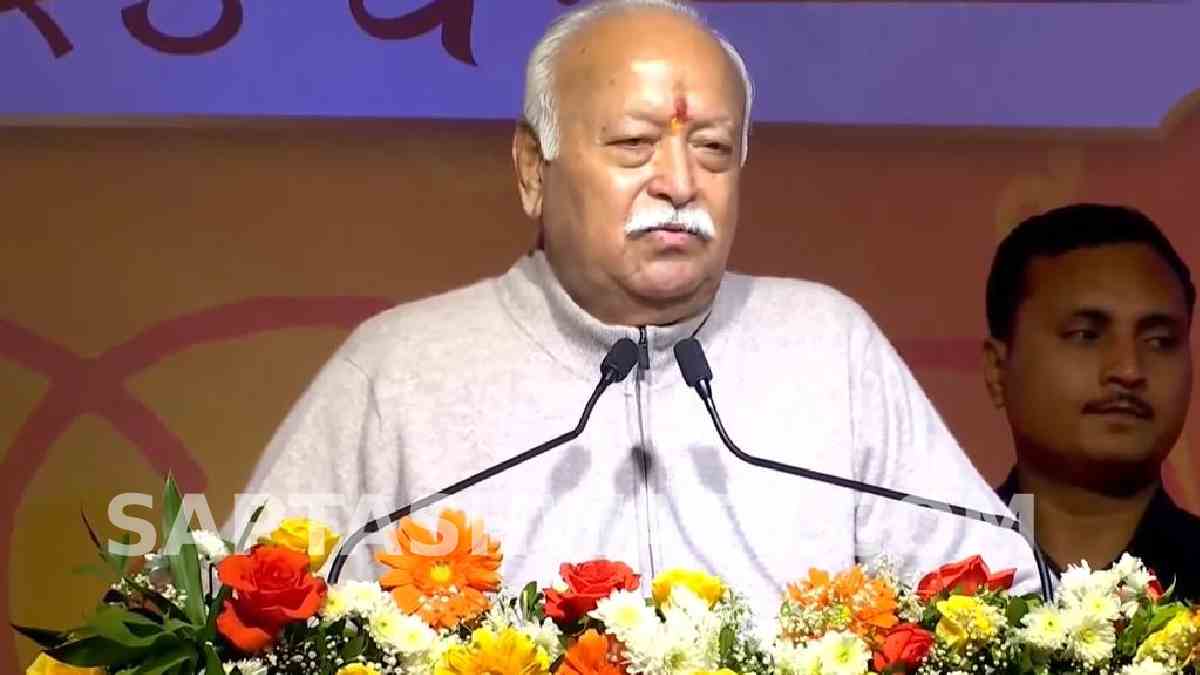
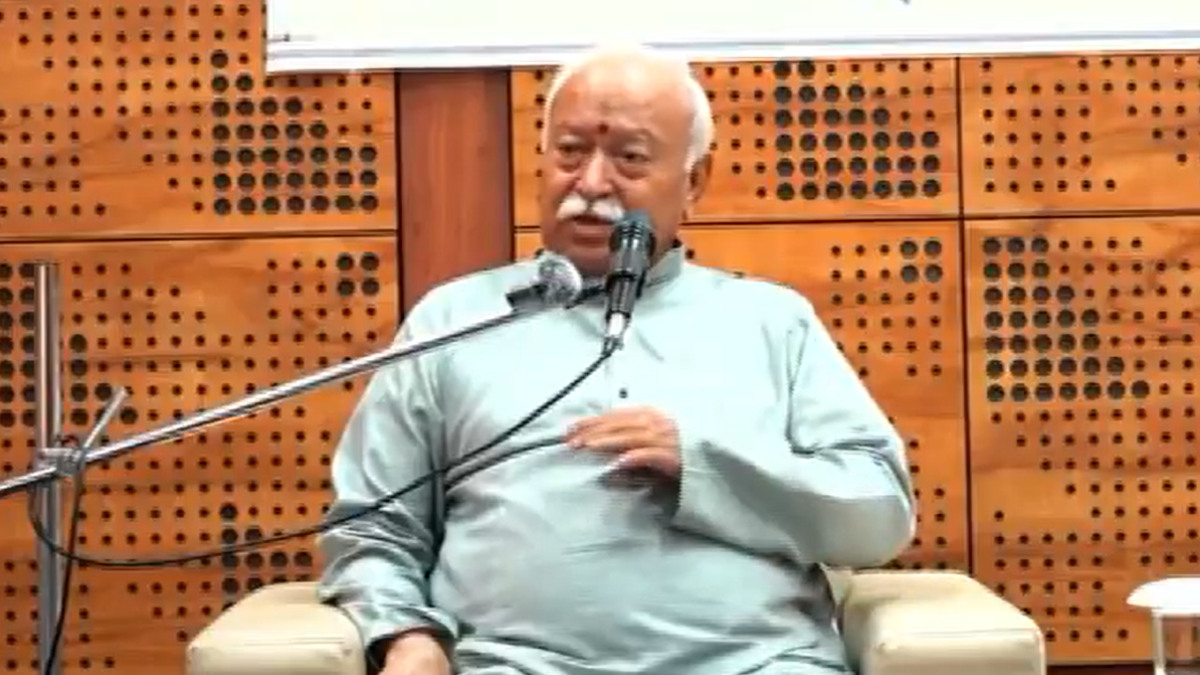
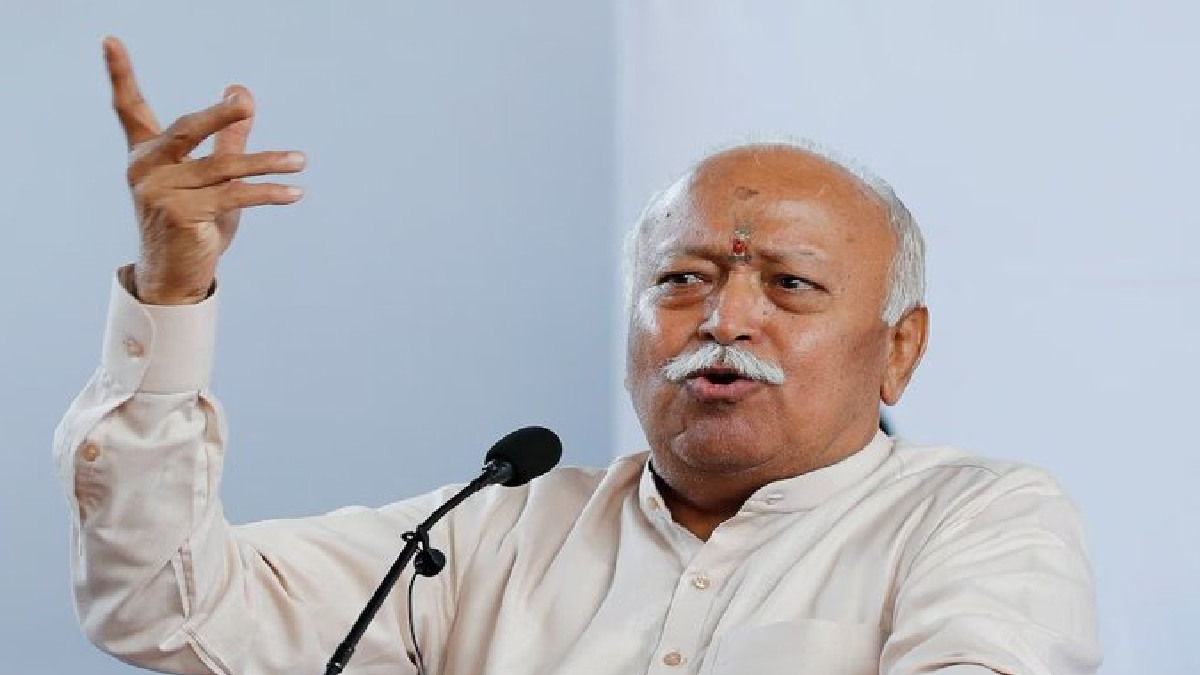
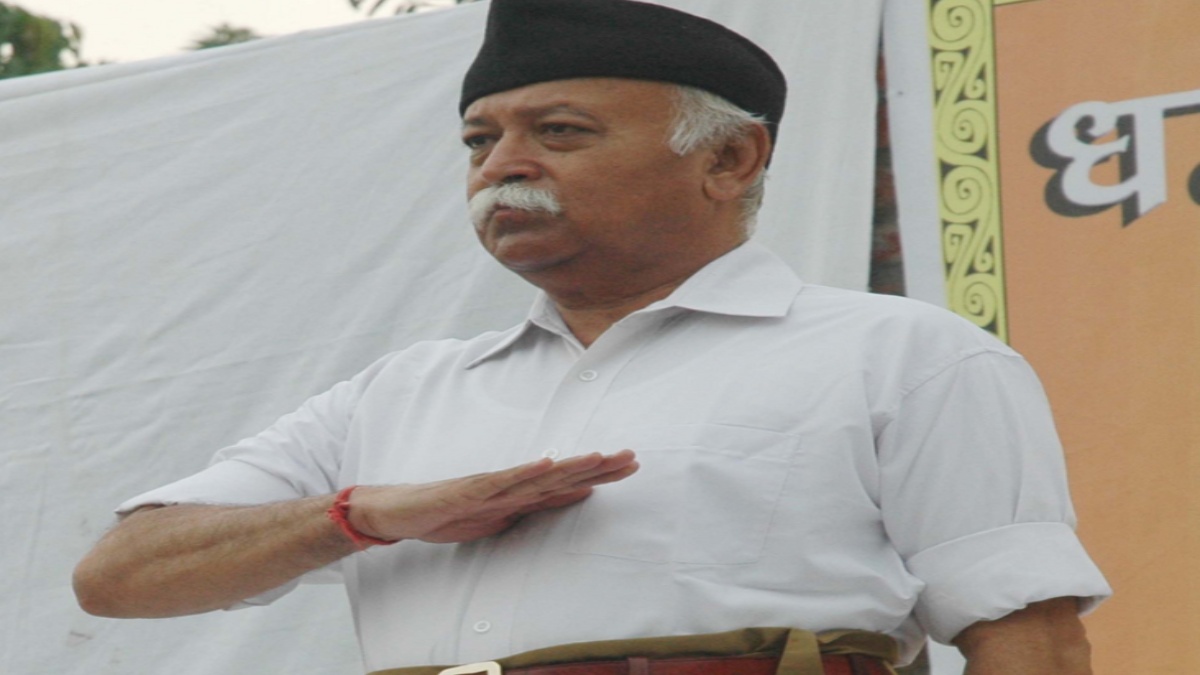
Karnataka Home Minister Priyank Kharge has attacked RSS chief Mohan Bhagwat for his comments on India’s Generation Z (Gen Z), questioning the Rashtriya Swayamsevak Sangh’s authority to certify anyone’s patriotism.
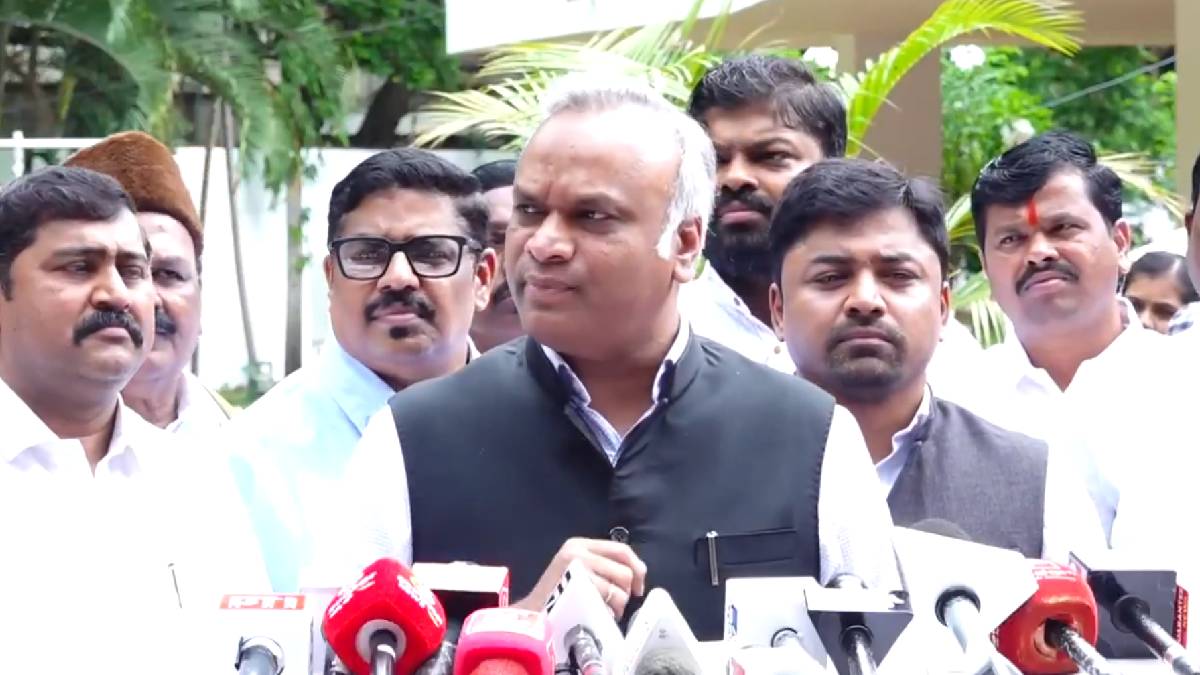
Responding to Bhagwat's comment, Kharge said: “Who is the RSS to give Gen Z certification of patriotism, when they themselves are not registered?" The statement has added a new political dimension to the conflict between the Congress and BJP-RSS over nationalism and the role of ideological organisations in public life.
“Who is RSS to give Gen Z certification of patriotism, when they themselves are not registered.”
— News Arena India (@NewsArenaIndia) August 7, 2026
- Karnataka Home Minister Priyank Kharge on Mohan Bhagwat's remarks on Gen Z pic.twitter.com/iDUiaaVmjs
The remarks by Kharge came a couple of days after Mohan Bhagwat's comments on Gen Z triggered political responses from a number of parts of the country. Although the RSS has always stressed the significance of nationalism, cultural values and civic responsibility for the young generation, Congress leaders have accused the organisation of attempting to define patriotism through a partisan ideological lens.
Karnataka minister said patriotism cannot be measured and certified by any private organisation and that every Indian citizen's dedication to the nation is reflected through adherence to the Constitution, democratic values, and civic duties rather than approval from any ideological group.
His reference to the RSS as "not registered" is intended to question the organisation's institutional status and challenge its public assertion of national identity and patriotism.
The remarks will further ratchet up the political war of words between Congress and BJP, especially with national politics being dominated by nationalism, constitutional values and the position of the RSS.
The BJP has always defended the RSS as a cultural organisation which works for building India and social development. Party leaders have consistently defended it from opposition parties’ accusations of the organisation’s role and working, as well as saying that the RSS has done a lot of good in disaster relief, education, rural development and community service.
Congress leaders, on the other hand, have often criticized the RSS on ideological grounds and questioned its role in government policies and political discourse. Nowhere is the rift between Priyank Kharge and Mohan Bhagwat more evident than in politics.
Political analysts feel patriotism and nationalism are some of the most central issues in India’s political debate, especially when senior leaders are speaking on youth, national identity and constitutional principles.
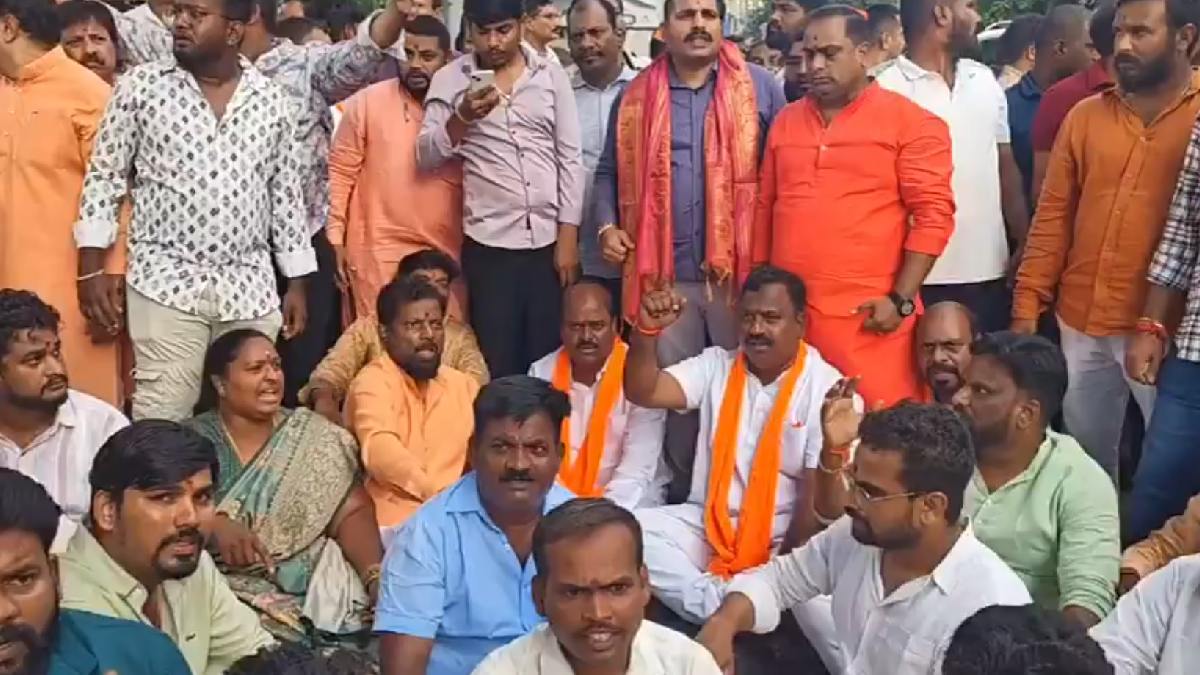
The issue has also come up on social media, where supporters of Congress and BJP-RSS have very different views. While some have countered Kharge's claims that patriotism can never be certified by any organisation, others have said Bhagwat's comments are just part of a larger message of national responsibility for young Indians.
As the political reactions go on, the debate will remain in focus, and both sides will continue to put forth their points of view on nationalism, the role of the RSS as well as the role of India’s youth in the country’s future.