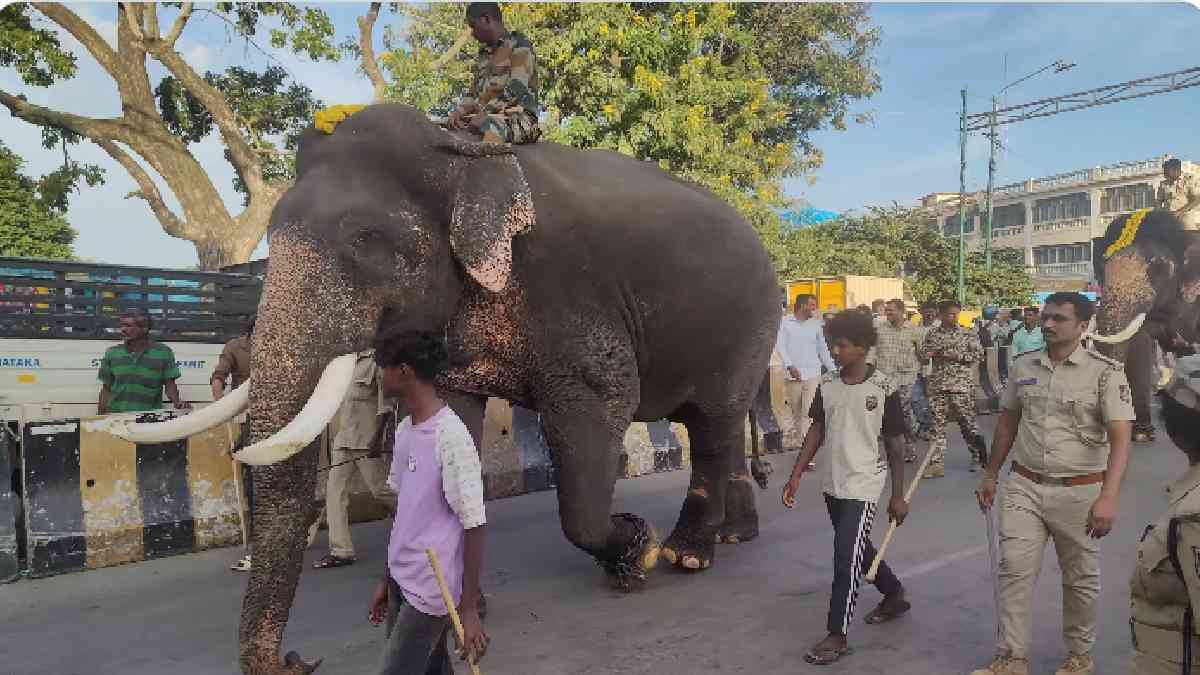
Preparations for the grand Mysuru Dasara procession are in place, and this year the elephants participating in the Jamboo Savari are on a new diet plan. The Forest Department has modeled the Dasara elephant squad’s food menu based on veterinary advice to ensure that they manage their calorie intake, body weight, and overall health.
One of the major changes is the removal of ghee from the elephants' regular diet. At the same time, avalakki, or flattened rice mixed with curd, has been introduced to the menu of all Dasara elephants. The combination of avalakki and curd was at first given to elephants showing signs of musth. But now it is part of the diet plan for the whole elephant squad as well.
The dietary change is to help elephants adjust to Mysuru’s climate and not gain weight too quickly during their stay in the city. Dasara elephants are fed and trained in forest areas, walking around, washing, feeding, and resting before taking part in the Jamboo Savari.
The veterinary team focuses on weight management as a top priority.
After the experience of Bheema, one of the most popular Dasara elephants, weight management has become a major topic of attention. Bheema is reported to have gained about 500 kg during the Dasara season last year, and forest officials and veterinarians are paying particular attention.
Excessive weight can affect an elephant’s movement and body condition, and the physical condition may be exacerbated if the animal is required to take part in regular training and long walks. A veterinary committee has therefore reviewed the diet and has developed a calorie-controlled food plan according to the individual weight and nutritional requirements of each elephant.
The revised menu does not mean that the elephants are being deprived of nutritious food. Instead, the reported goal is to balance energy requirements with controlled calorie intake.
Avalakki-Curd Mix added to the menu
Avalakki and curd are among the key additions to this year’s dietary routine. The combination is being used as part of efforts to keep the elephants’ bodies cool and help them adapt to the conditions in Mysuru.
Besides the avalakki-curd mixture, the elephants are also given watermelon, sugarcane, and jaggery for nutrition and energy. They are also fed deworming medicine along with their food as part of their routine veterinary care.
The first batch of nine Dasara elephants which have arrived in city from various elephant camps to participate in the world famous Jumboo Savari and housed in Mysore Palace premises, are being given special care and are put on special nutritional diet.
— Star Of Mysore (@Star_Of_Mysore) September 6, 2026
Conservator of Forests… pic.twitter.com/YrRzgBBbON
Preparing Elephant Food is a Long Process
Food preparation for the Dasara elephants is also a daily activity. Teams of mahouts, kavadis, and cooks from their families, according to the report, spend hours preparing the large amounts of food needed for the elephant squad.
Water is first heated in large vessels, after which ingredients including green gram, wheat, black gram, paddy, ragi, kuchal rice, kusubal rice and horse gram are added. The mixture is cooked for around four hours.
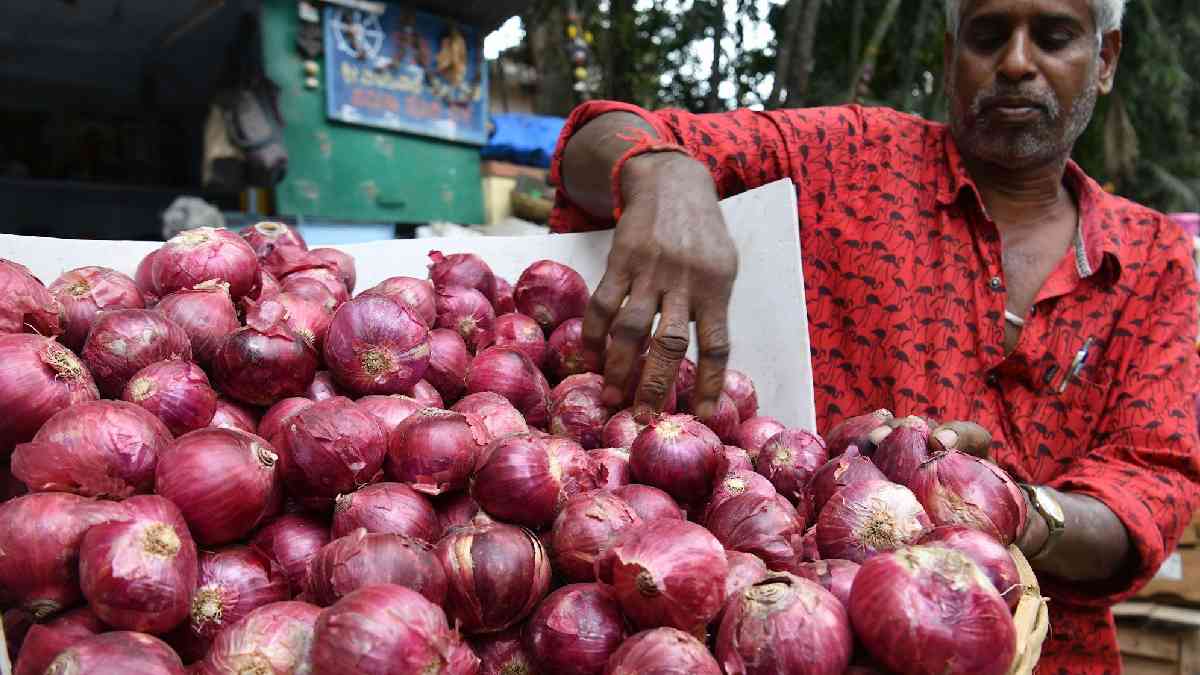
Once the cooked mixture has cooled, chopped vegetables such as onion, carrot, beetroot, cucumber and radish are added. The ingredients are then mixed thoroughly and shaped into large food pieces for the elephants.
The whole preparation process takes nearly 20 hours, highlighting the scale of arrangements required to care for the animals during the Dasara season.
Great quantities of food—many food requirements per day
Due to the large body size and demanding training schedule of Dasara elephants, they require large quantities of food every day. According to the information, male elephants require about 500-800 kg of food daily and female elephants about 300-500 kg.
The Forest Department and veterinary team therefore need to balance the quantity and nutritional content of the food while monitoring each elephant’s health and weight.
The revised diet is part of the overall strategy to keep the elephants healthy and fit for the Jamboo Savari. Food management, veterinary management, and individual dietary requirements are all part of the process to keep the animals healthy and ready for one of the major annual cultural events in Mysuru.