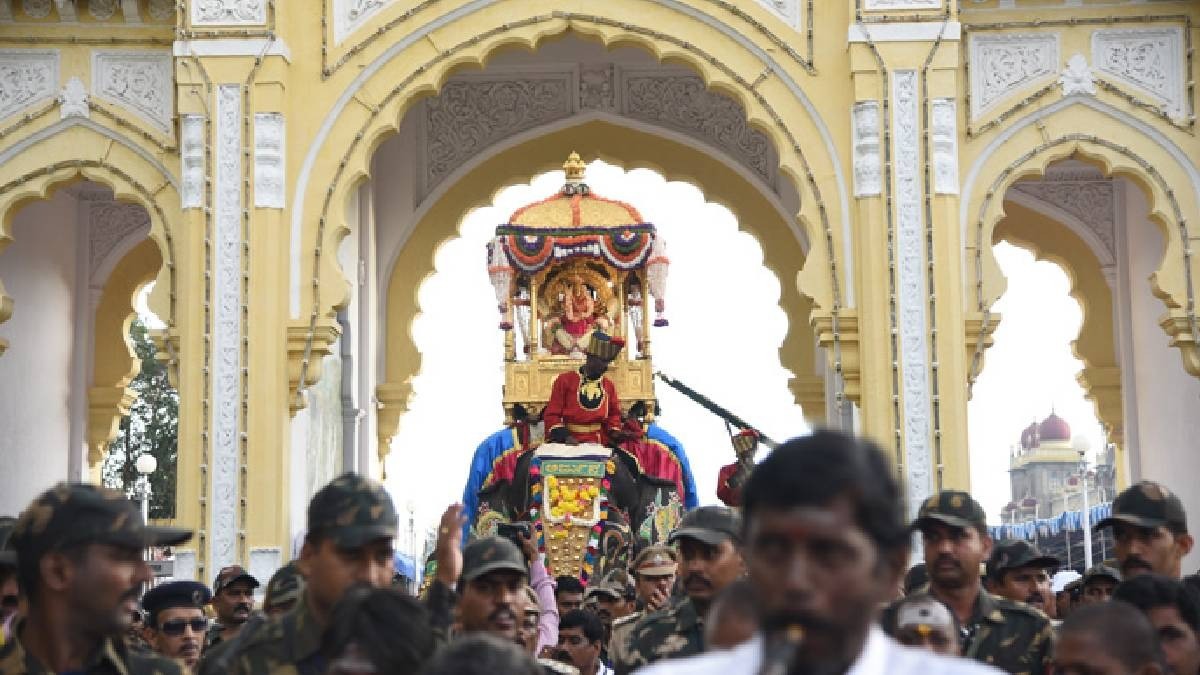
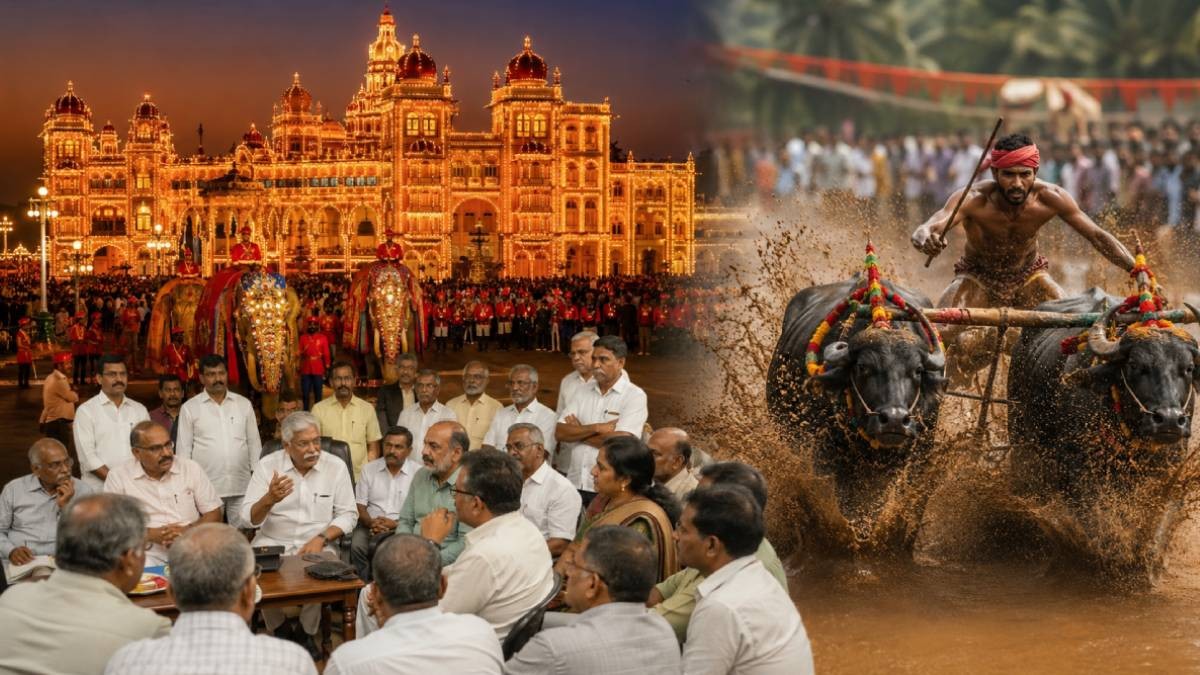
The Karnataka government chose Kambala as a coastal sport for the Mysuru Dasara festival, and farmers, environmental groups, and Dalit organizations are against it. They fear that the proposal will damage the cultural identity of the local area and have warned of legal action and massive demonstrations if the government doesn’t change its mind.
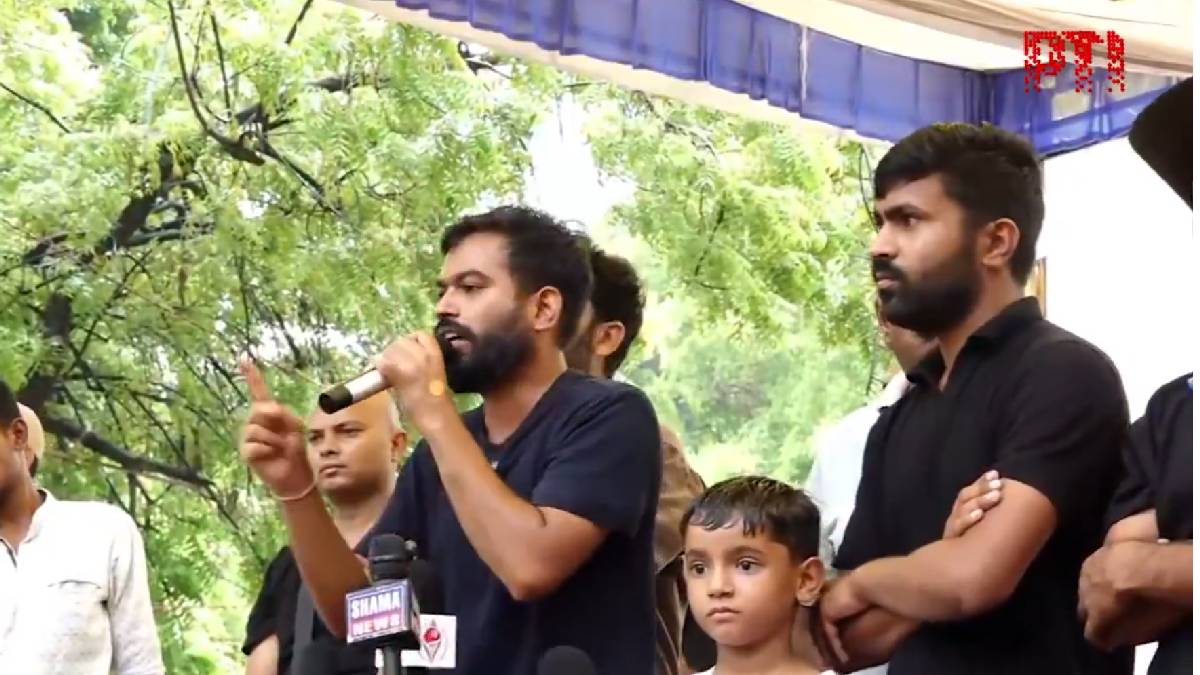
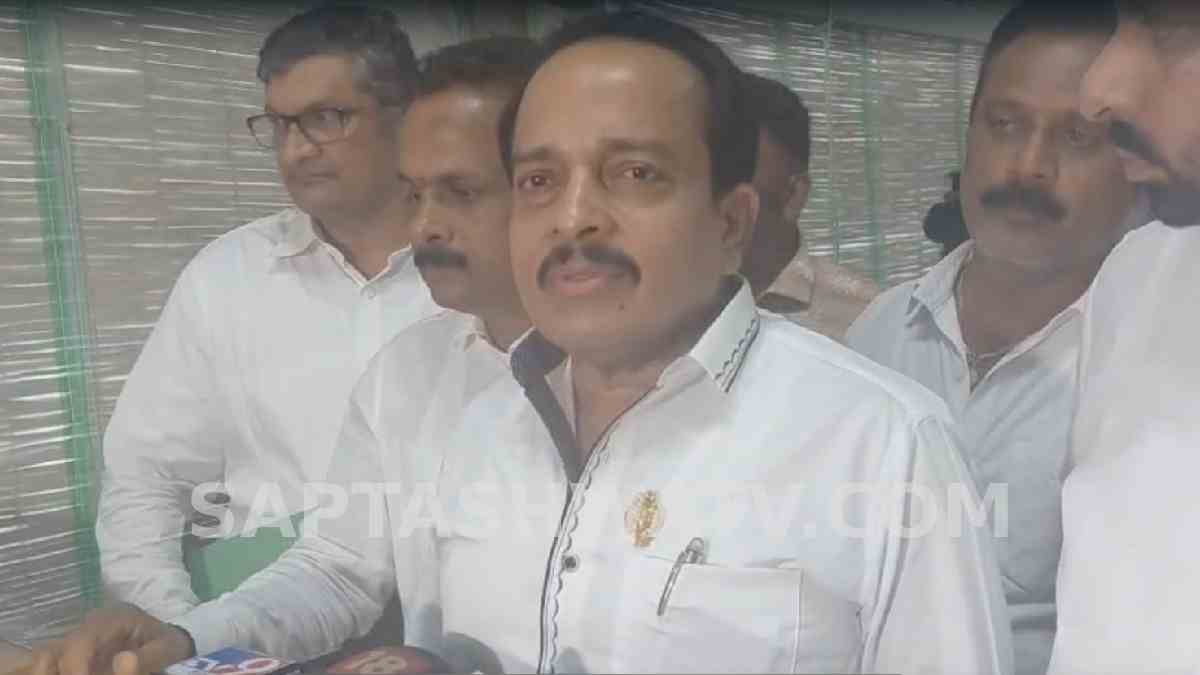
At a joint press conference in the Mysuru District Journalists' Association Hall, Parisarakke Naavu (For Environment), Karnataka Rajya Raitha Sangha (State Farmers' Association), and various Dalit organizations announced a one-week deadline for the Karnataka government to withdraw its proposal. If the government goes ahead with organizing Kambala during Dasara, they will challenge the decision in court while simultaneously launching peaceful but large-scale protests across Mysuru.
We Are Not Against Kambala, but Against Its Forced Relocation
In the press conference, Badagalapura Nagendra, state president of Karnataka Rajya Raitha Sangha, said that the organizations are not opposed to Kambala as a traditional sport.
We respect Kambala and recognize it as a cultural symbol of Karnataka’s coastal region. But we oppose forcing a regional tradition into a place where it has no historical or cultural roots,” he said.
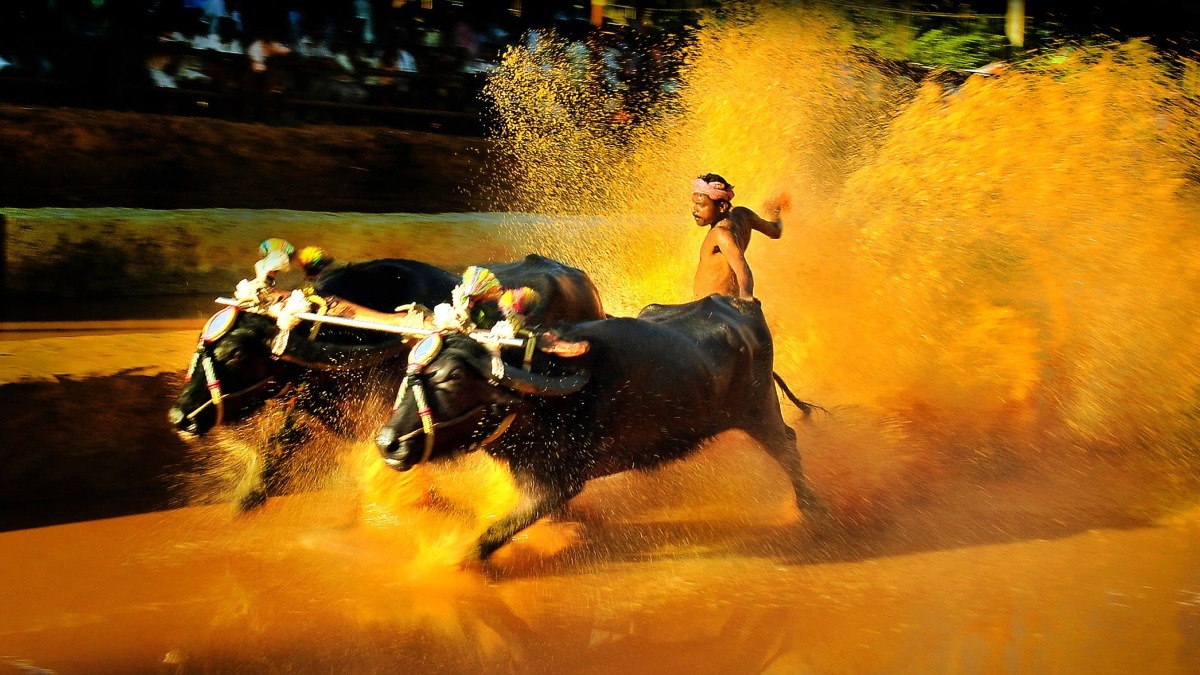
Nagendra questioned the practicality of Kambala in Mysuru, pointing out that the region lacks the muddy paddy fields and specially trained buffaloes that are the essence of the traditional event.
He thinks that the Mysuru Dasara celebrations should instead be about preserving and promoting the indigenous folk arts, village sports, and cultural traditions of the Old Mysuru region rather than importing events from elsewhere.
He also called on the government to respect public opinion and warned that imposing unpopular cultural decisions goes against democratic values. And if the proposal is not withdrawn within a week, he said, organizations would escalate their peaceful resistance.
Concerns Over Public Spending
Cultural historian Prof. N.S. Rangaraju criticized the government’s plan, saying public money collected through taxes was being unnecessarily spent under the guise of promoting tourism.
According to him, Kambala is formed of the coastal areas of Dakshina Kannada and Udupi districts, where it has evolved over centuries. Trying to mimic muddy fields in an urban setting—Mysuru—would dilute the cultural significance of the sport and turn it into a mere spectacle for tourists.
He said that visitors who are interested in experiencing authentic Kambala should travel to coastal Karnataka during the traditional Kambala season instead of witnessing a fake version during Dasara.
Environmental and Cultural Concerns
Parashurame Gowda, the General Secretary of Parisarakke Naavu, said Kambala is more than just a sporting event. It is religious, cultural, and spiritual for Tulu-speaking coastal communities, he said.
He said even some Kambala enthusiasts and high-ranking coastal people opposed the shift of the festival to Mysuru, as they insisted the sacred traditions should be preserved in their original location and cultural context.
He also stressed that Kambala, in its natural setting with traditional practices, is totally different from a staged exhibition organized solely for entertainment. The organization said it will soon send a detailed memorandum to Karnataka Chief Minister Siddaramaiah to withdraw the proposal.
Protest Plans if Government Refuses to Withdraw
The protesting organizations outlined a three-pronged strategy if the government fails to reverse its decision:
- Legal action: filing a petition against the Dasara committee's decision to organize Kambala in Mysuru.
- Peaceful public protests: organizing awareness campaigns and non-violent protests across Mysuru to bring public opinion up against the Dasara organization.
- Cultural resistance: bringing together local artists, farmers, and cultural organizations to preserve Mysuru Dasara’s traditional identity. A Cultural Identity Debate.
The controversy has reignited a larger debate on how tourism promotion can be balanced with regional traditions. Karnataka government officials, who see Kambala as a great cultural display during Dasara (and we can see that it is), are also saying that each region has different customs, and they should be appreciated in the context of the past.
Protest leaders say Mysuru Dasara is more than just a tourist destination; it is a centuries-old cultural event and represents the Old Mysuru way of life. They fear the festival would lose its identity and traditional sport if Kambala is introduced to the coast, and in fact, not within the traditional culture of the place where it is held.
The press conference was attended by several prominent activists and community leaders, including Bhanu Mohan, Bettayya Kote, M.G. Sadanandayya, Mansoor Ahmed, Horeyala Doreswamy, Sindhuvalli Akbar, and Shambulingaswamy, who voiced their opposition and promised to continue their campaign if the government withdraws the proposal.