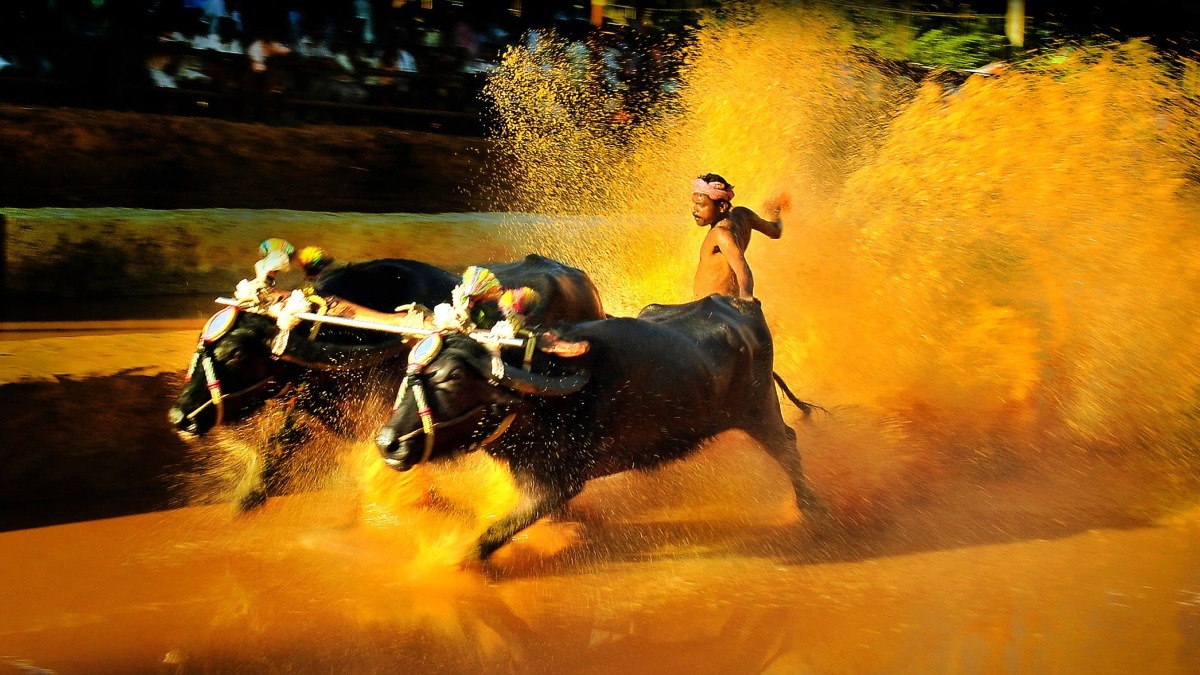
As Karnataka’s ‘Nada Habba’ (State Festival), Mysuru Dasara is not only a big festival but also a symbol of the state’s rich cultural heritage, royal legacy, and spiritual traditions. A great festival in the historic city of Mysuru, in which Goddess Chamundeshwari (Durga) defeated the demon king Mahishasura, is celebrated with great grandeur. The victory of good over evil in the end is celebrated.
Mysuru Dasara has been established for centuries and is one of India’s largest cultural festivals, and lakhs of people come from all over the country and abroad every year.
A Ten-Day Celebration of Faith and Culture
We celebrate the festival over ten days, starting from Navaratri to Vijayadashami. The first nine days are dedicated to the worship of different forms of the Divine Mother, and each day has its own religious significance.
The celebrations begin on the sixth day of Navaratri. Devotees pray to Goddess Saraswati and celebrate Durgashtami on the eighth day and Mahanavami, in honor of Goddess Lakshmi, on the ninth day. The tenth day, Vijayadashami, is the victory of Goddess Durga over Mahishasura and the victory of righteousness over evil.
The day was also one of victory in battle and the beginning of new ventures. The Wadiyar kings of Mysuru celebrated Vijayadashami with elaborate royal ceremonies that are continuing to this day.
The Royal Legacy of Mysuru Dasara
Mysuru Dasara has long been identified with the Wadiyar dynasty, which made this festival a state festival. During the festivities, the royal family performs rituals and special pujas that have been handed down over generations.
With its high cultural significance, Karnataka has officially declared Mysuru Dasara as the state's 'Nada Habba' with celebrations on a grand scale every year.
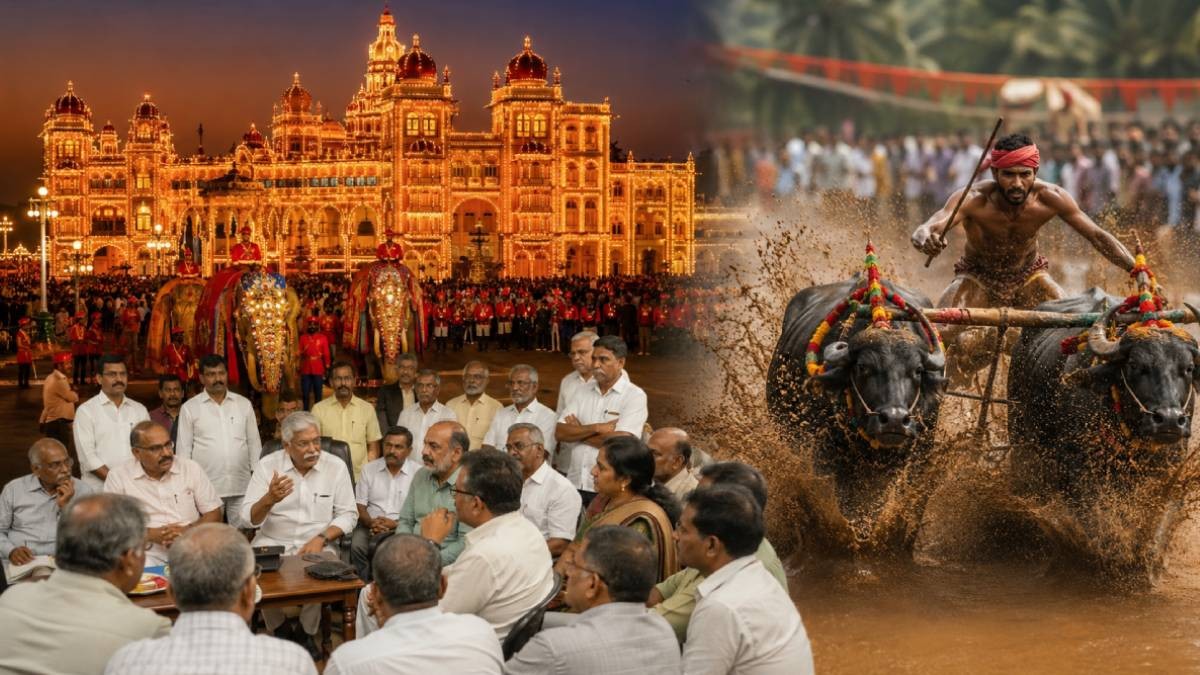
The festival’s biggest attraction is the spectacular illumination of the Mysore Palace with thousands of lights, a sight to see.
The Grand Vijayadashami Procession
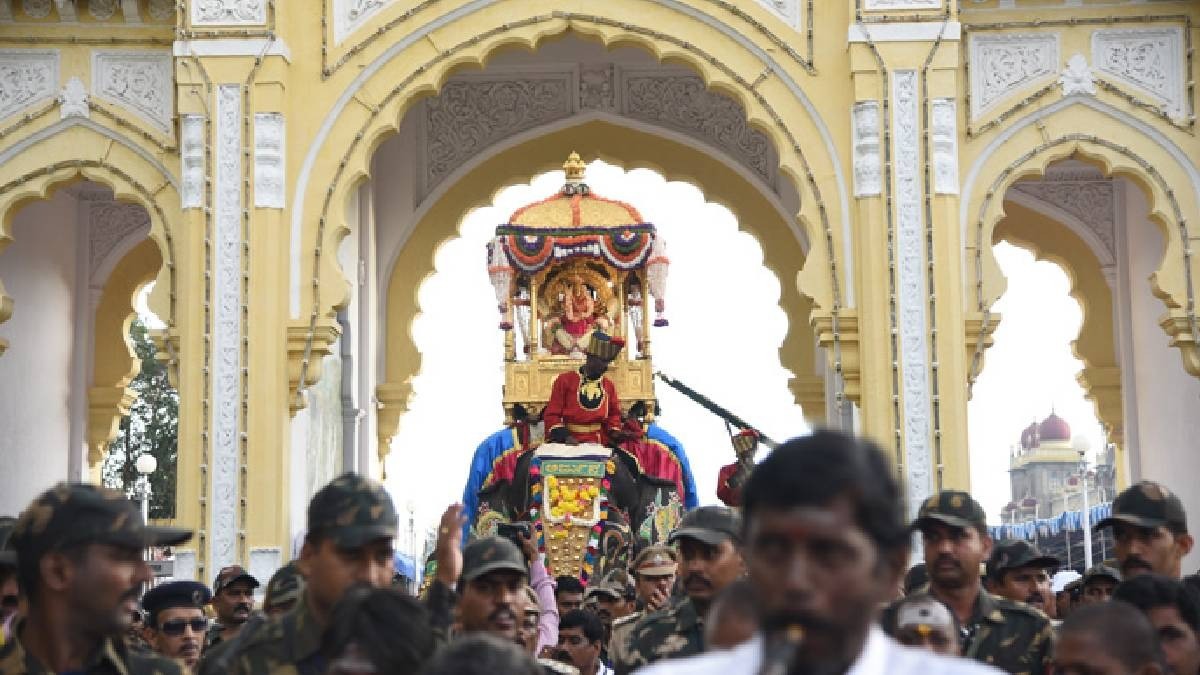
The highlight of Mysuru Dasara is the famous Jumboo Savari, held on Vijayadashami. The idol of Goddess Chamundeshwari is placed in a beautifully decorated golden howdah that is placed on a caparisoned elephant for a ceremonial procession.
The grand procession through the city’s main streets is followed by festively decorated elephants, horses, camels, traditional folk artists, music bands, tableaux showcasing Karnataka’s culture, and performances by various cultural troupes. Thousands of devotees and tourists are waiting to witness the grand show.
A Display of Karnataka’s Rich Heritage
For Karnataka’s cultural heritage as well as religious significance, Mysuru Dasara is a busy place and a cultural platform. Music concerts, classical dance performances, wrestling competitions, food festivals, flower shows, exhibitions, literary events, folk arts from different parts of the state, etc.
And so these programs not only protect and promote traditional art forms but also promote tourism and give artists opportunities to show Karnataka’s rich cultural diversity.
An Enduring Symbol of Karnataka
Mysuru Dasara has been a place of faith, history, and unity for generations. And it is still a representation of Karnataka’s royal heritage as well as people from different communities coming together to celebrate a common culture.
As the state gears up for another edition of the grand festival, Mysuru Dasara remains a shining symbol of tradition, devotion, and the enduring spirit of Karnataka.