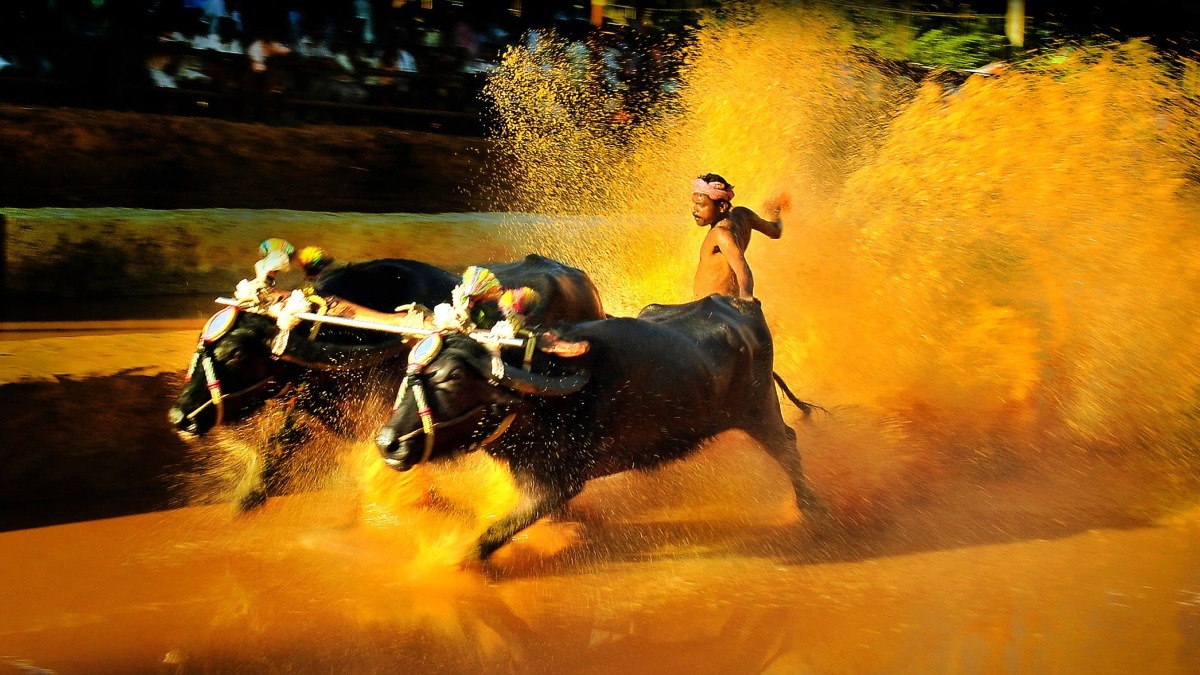
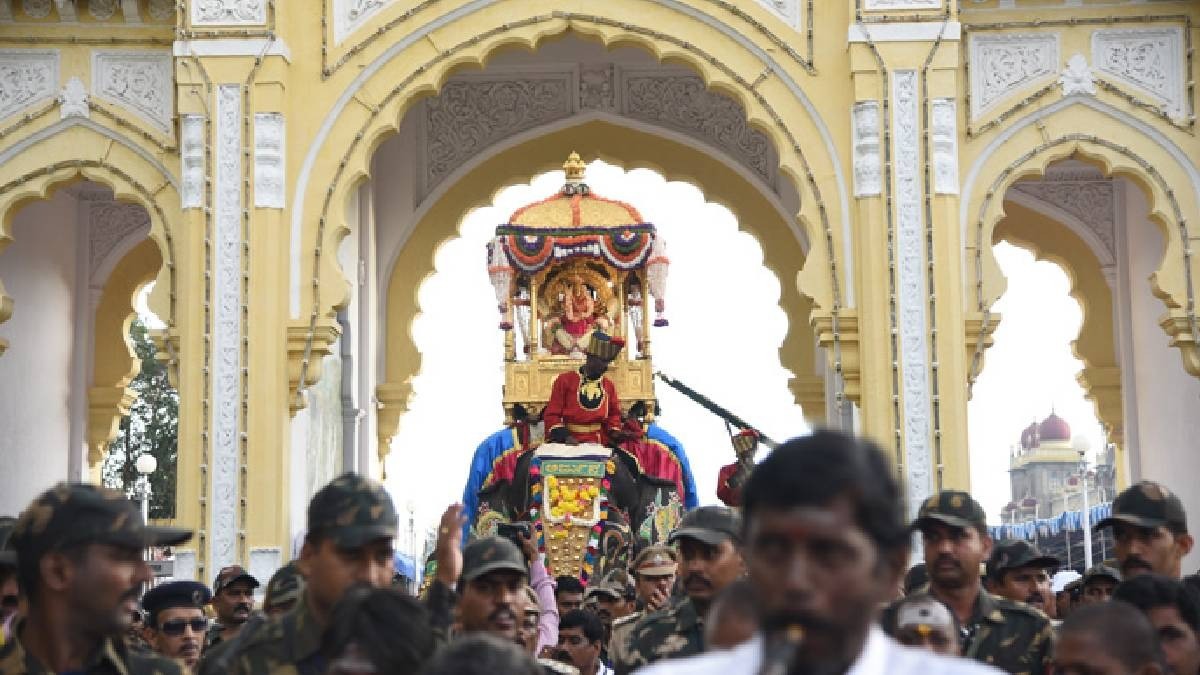
A new controversy has erupted over the Karnataka government's proposal to include Kambala, the traditional buffalo race of coastal Karnataka, in its upcoming Mysuru Dasara celebrations. Farmer leaders, cultural activists, and citizen groups in the state are opposing this move, saying that it will dilute the unique cultural identity and heritage of the state’s iconic festival.
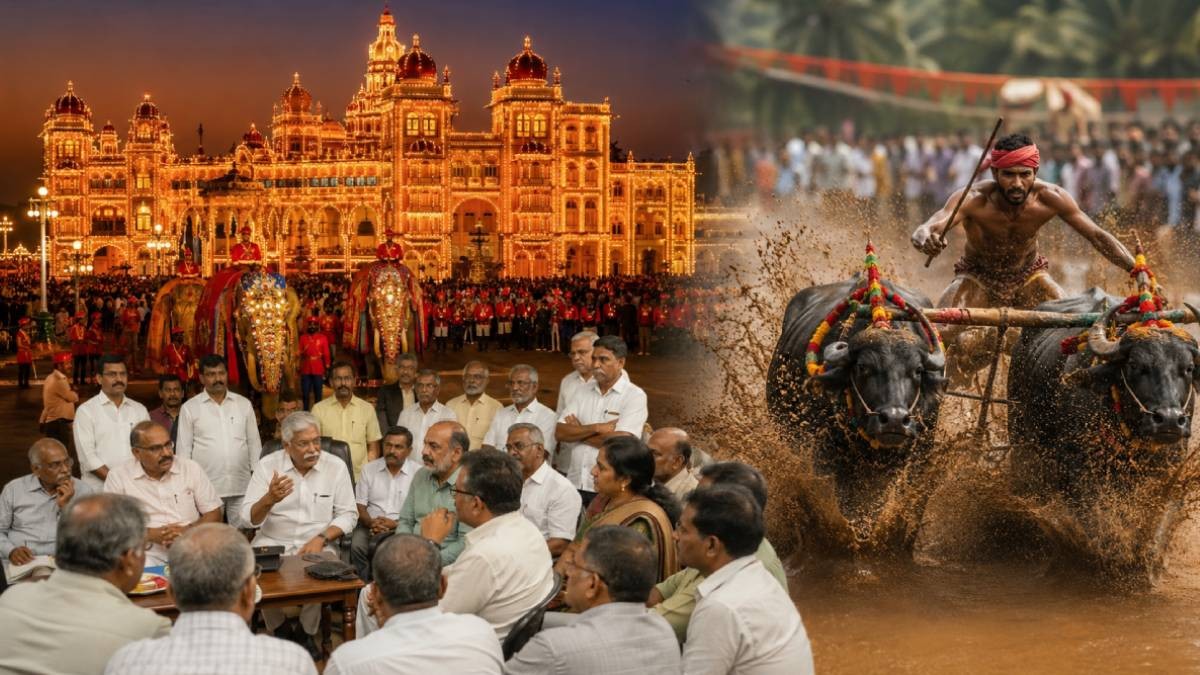
At a meeting recently at the Jaladarshini Guest House in Mysuru, representatives from various organisations agreed to start a joint campaign against the proposal. It was decided that the Action Committee would be formed, which would be drawn from different organisations and would mobilise people for the purposes of the movement and raise public awareness of the problem.
Mysuru Dasara is a symbol of the cultural identity of the Mysuru region and has a history going back over centuries, according to the meeting participants. They were against the inclusion of Kambala as it would dilute the distinct practices of the world-famous festival.
The Action Committee has announced that it will oppose the proposal at multiple levels and present what it describes as the cultural, environmental, and practical implications of conducting the event in Mysuru.
Concerns over tradition and cultural identity
Karnataka Rajya Raitha Sangha President Badagalapura Nagendra strongly criticized the proposal. Kambala is a special folk sport rooted in coastal Karnataka, and therefore has its own regional significance, he said.
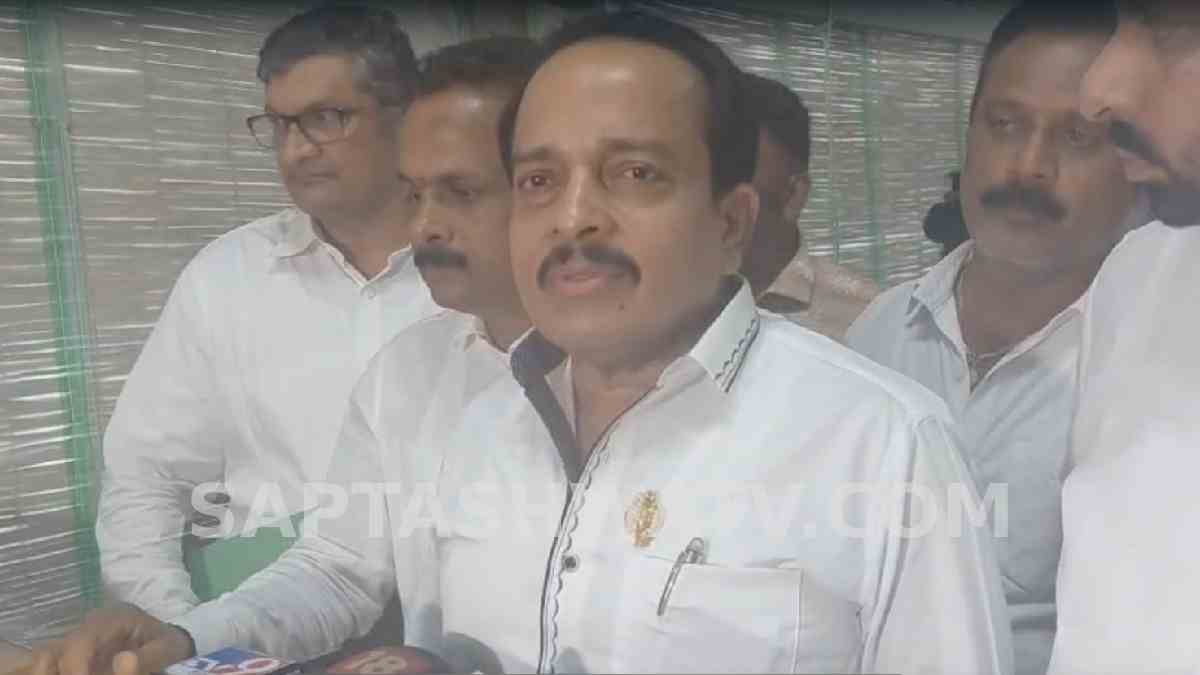
As he said, moving the event to Mysuru for a major state festival would undermine the historical and cultural identity of both Kambala and Mysuru Dasara. He said every traditional art form and sporting event should be celebrated in the local cultural landscape and not relocated for commercial or promotional purposes.
The other speakers shared such sentiments and told us that Mysuru Dasara has evolved over centuries as a royal and cultural festival with its own traditions, rituals, and programmes. But keeping the festival original should be the priority, they said.
Environmental and Practical Concerns
Apart from cultural issues, participants also raised concerns about the environmental impact of organising Kambala in Mysuru. The sport does require very well-prepared muddy tracks and a lot of water, as they said, which in turn will raise sustainability issues.
Some environmental activists argued that creating temporary infrastructure for the event could place unnecessary pressure on local resources if not managed responsibly.
Government Yet to Respond
The Karnataka government has not yet replied to the objections raised by the organisations. It is not clear whether the Dasara festivities plan to include Kambala has been finalised.
The new Action Committee is also sure to consult with cultural experts, historians, and the public and will then decide what to do.
The debate has once again shown how Karnataka’s distinct culture can be promoted in the face of the need to protect a single festival, which is one of the state’s most celebrated.
The proposal has received mixed reactions, and any final decision on the inclusion of Kambala in the Mysuru Dasara celebrations will be taken by the concerned authorities.