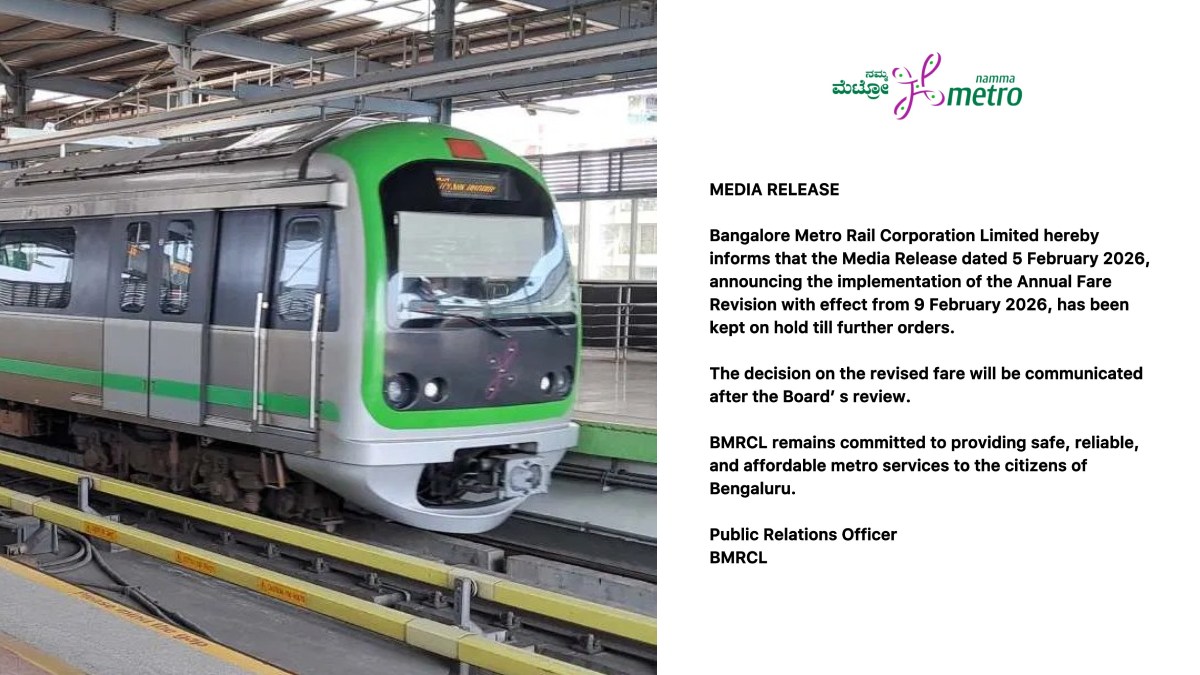
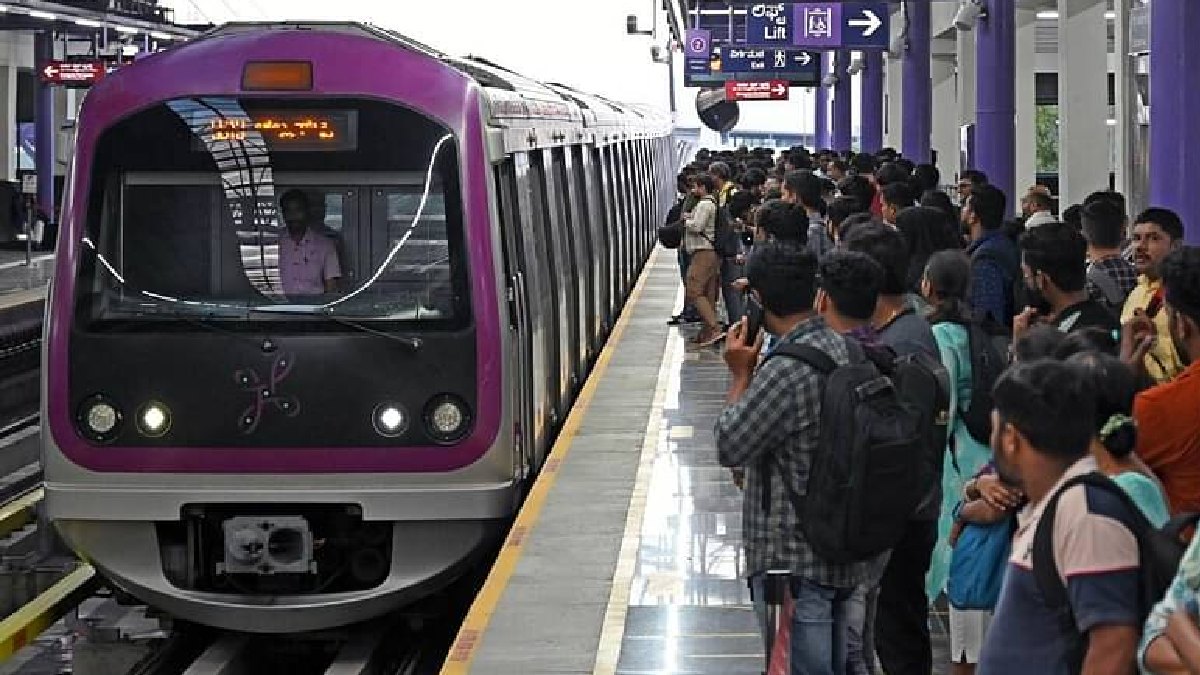
Bengaluru metro commuters are feeling pinch for budget as BMRCL, the central transit entity of Bangalore Metro Rail Corporation Limited, plans to hike its fares annually from early February 2026. The initiative comes after the FFC advised that higher ticket prices should be an annual cost hike of 5% in the near term to support the sustainability of the city’s main mass transit network.
An Automatic Annual Hike
The planned hike is less than a year following a hugely-volatile fare change in February 2025, when prices for seats on certain routes increased by as much as 71 percent. Although the 2025 increase was supposedly in order to fill a gap lasting seven years between a rise and a reduction in the total fare price from 2017, the FFC has now established a 'transparent formula.'
Highlights of the New Fare Policy:
- Date of Implementation: February 1, 2026.
- Hike Percentage: Limits to 5% per annum at the most.
- Rationalization: BMRCL pointed to rising operational costs such as electricity, staff salaries and the necessity to service huge infrastructure loans.
- Financial Stress: Failure to address this issue, officials say, would lead to net losses of more than ₹500 crore by 2030.
The “Most Expensive” in India?
The announcement has triggered renewed fury among Bengalureans, who have the headache of using one of the most costly metro networks in the country. Critics highlight the wide coverage of the Delhi Metro (DMRC) that extends over 350 km, and a maximum fare of ₹60; however, it claimed Namma Metro with its significantly smaller network had the maximum fare raised to ₹90 after the 2025 increase.
“Rising fares amid overcrowding of the coaches and delays for new lines puts salt into our wounds,” said a regular commuter at Majestic Station. “Public transport should be a relatively cheap utility, not a luxury affair accessible to only the elite.”
Commuter Impact and Safety Concerns
Mobility experts said the rate hike could push middle-class commuters back to private cars, exacerbating Bengaluru's traffic woes.
- The ‘32% Excess’ Charge: Some advocates claim that commuters now are starting to pay 32% more than they need because fare slabs were miscalculated earlier.
- Crowding vs Cost: Namma Metro, despite being the most expensive, remains heavily congested at peak hours with some questioning the “premium” price for a “congested” experience.
BMRCL has attempted to quell the backlash by maintaining a 5% discount for smart card owners and extending extra discounts to off-peak hours. For the millions of metro commuters living in a high-cost city who depend on the subway network to deliver them to sites such as Whitefield, Electronic City, and Peenya, however, the 5% per year increment appears to be a growing burden already in high-cost cities.