Nayara Energy has raised petrol prices by ₹5 per litre and diesel prices by ₹3 per litre, putting the spotlight on fuel pricing in India at a time when crude oil costs have climbed sharply.
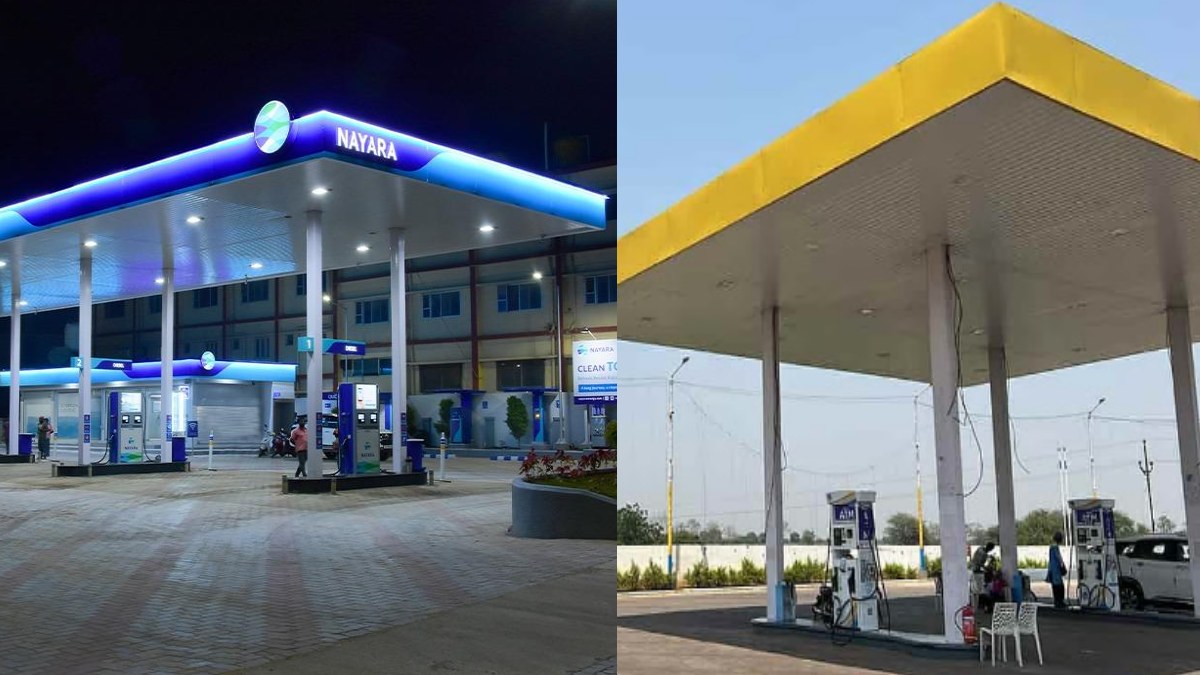
The private oil marketing company’s decision has raised the question for consumers, investors and the general energy market: Will public oil marketing companies such as IOC, Hindustan Petroleum Corporation Limited (HPCL) and Bharat Petroleum Corporation Limited (BPCL) also increase petrol and diesel prices?
The development comes on the heels of a sharp rise in India's crude oil import costs. The average price of Indian crude oil imports rose to $116.09 per barrel in September, putting a lot of pressure on the economics of fuel marketing. As India imports large amounts of crude oil abroad, international oil prices and the rupee-dollar exchange rate are directly related to the cost of crude available to domestic refiners and fuel retailers.
Nayara Energy's price rise is therefore very closely watched as it might indicate how private fuel retailers are responding to the changing cost environment. A ₹5 increase in petrol and a ₹3 increase in diesel are a big change for consumers, and particularly drivers and businesses that depend on diesel for transportation, logistics and commercial activity.
But the immediate focus is on the three main state-owned oil marketing companies, IOC, HPCL and BPCL. These companies have a huge presence at India's fuel retail and sell petrol and diesel through thousands of outlets. Their pricing decisions can have much wider implications for consumers and the economy.
A key factor is that petrol and diesel prices in India are driven by a lot more than crude oil prices in global markets. Refining, transportation, dealer commissions, central and state taxes and other costs are all components of the final retail price. Therefore, a rise in crude oil prices does not necessarily translate into an equivalent increase at fuel stations. Oil marketing companies must also consider competitive conditions, demand, margins and the economic context of the country before changing retail prices.
The prospect of PSU oil companies being able to increase the price would be crucial if crude prices are so high. Higher petrol prices can cause higher transportation costs for households and companies whereas diesel price hikes can have a wider impact as diesel is very much a part of trucking, buses, agricultural machinery, construction equipment and other commercial operations. Higher logistics costs can eventually find their way to the prices of goods and services.
On the other hand, oil marketing companies might not necessarily move in lockstep. Each company has a different inventory position and refining economics and marketing strategy. So the timing and magnitude of any price adjustment could differ. Investors will also be watching the impact on refining and marketing margins, particularly if companies absorb some of the higher crude costs rather than passing them on immediately to consumers.
The sharp increase in the average Indian crude import price to $116.09 per barrel adds to the pressure. If international crude remains high for a long time, maintaining retail fuel prices at previous levels could become increasingly challenging for oil marketing companies. Conversely, if crude prices retreat, some of the pressure might ease.
For consumers, petrol and diesel prices will need close monitoring in the coming days. The bigger rise in oil prices by large PSU oil companies would have implications for household budgets, transportation costs and inflation. It will be in the interest of investors to see whether increased crude prices translate into weaker marketing margins or whether firms can pass on higher costs to customers.
Nayara Energy is now the focus of the fuel market in India. Now the question is whether IOC, HPCL and BPCL will follow up with similar price increases or they will keep retail fuel prices stable. Their decisions could tell us how India’s fuel market has come to terms with the recent rise in crude oil prices.