New Delhi: Union Minister and Delhi BJP State President Harsh Malhotra flagged off the second edition of the 'Walkathon' entitled 'Walkathon 2.0' organised by Sant Parmanand Institute in Kashmere Gate, Delhi. Organisers discussed the importance of preventive healthcare in reducing the risk of lifestyle-related diseases and were able to convince people to adopt a healthier lifestyle.
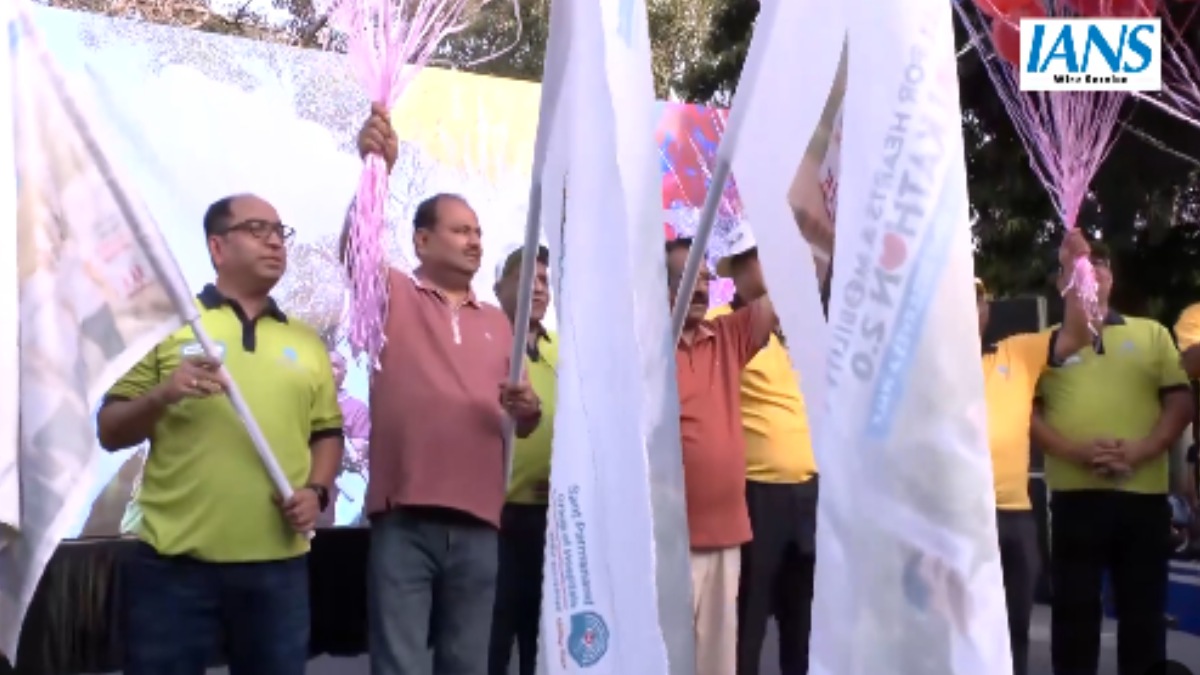
Harsh Malhotra discussed the initiative at the event, and said that it is a kind of preventive medicine. He distinguishes between hospitals and medical institutions’ primary role in providing care for people who are sick from the wider purpose of motivating people to stay healthy in the first instance. Malhotra says that projects such as the Walkathon can do a lot to promote awareness about physical activity and encourage people to take on more responsibility for their health.
The Walkathon highlighted walking as one simple form of regular active activity. Walking is a routine of people of all ages that can be incorporated into a person’s daily life (not only in the gym). Regular physical activity has health benefits such as cardiovascular fitness, mobility for people of all ages and the ability to be in a fit state.
The event organized by Sant Parmanand Institute also underlined the role healthcare institutions can play in more than diagnosis and treatment. Medical institutions are known to be the best place for curative care in which doctors and healthcare professionals treat patients after they have health issues. Preventive healthcare, on the other hand, is about minimizing risks before serious illness happens through wise choices, early screening/awareness and timely intervention.
Malhotra’s remarks also reflected this broader approach to healthcare. Hospitals provide curative medicine, but activities like the Walkathon offer people chances of staying healthy and not getting sick. Such public events can help take health-related conversations to communities, workplaces, schools and families.
The second edition of the event also demonstrates the continuous need for public participation in health awareness activities. Walkathons and similar community fitness programmes can help people be more mindful of their day-to-day activities— physical activity, diet, sleep, etc. They can also provide a platform for health professionals to inform the public about preventive health activities.
Such initiatives are particularly relevant for Delhi residents as today's urban life involves long working hours, long periods of sitting, commuting and lack of regular exercise. Encouraging simple activities such as walking can therefore be an accessible way of promoting a more active lifestyle.
At Kashmere Gate we also saw the need for cooperation between public figures, healthcare institutions and citizens to promote wellness. A single walk can’t prevent all diseases, but regular physical activity and good nutrition, good rest, regular health checks and informed medical care can help to protect health overall.
Preventive healthcare is becoming a big part of public health conversations. With healthcare systems now facing chronic and lifestyle-related problems, awareness programs that promote healthier behaviour can help with medical treatment. Early risk assessment (people are also encouraged to go to medical professionals if they have been identified as ill) can also be useful to reduce health risks and improve their quality of life.
Delhi: BJP State President and Union Minister Harsh Malhotra says, "...Sant Parmanand Institute, a medical institute in Kashmere Gate, has organised its second 'Walkathon', called 'Walkathon 2.0'. I believe this is preventive medicine. Hospitals and medical institutions provide curative medicine, but this is a major initiative to ensure that people remain healthy and do not fall ill..."
— IANS (@ians_india) October 4, 2026
With ‘Walkathon 2.0’, Sant Parmanand Institute has tried to use a community-oriented event to communicate that healthcare should not start when a person is sick. Harsh Malhotra’s participation and flag-off brought the initiative and preventive-healthcare message into focus.
The event in the end proved that health is the product of everyday choices and not only the event but the way we live our lives. Walking regularly, staying active and caring about ourselves and being healthy is always the best way to stay healthy in the long term. Healthcare organizations can then push people to care for illness and prevent it by working towards disease-free communities and to work on Walkathon 2.0 as healthcare professionals.