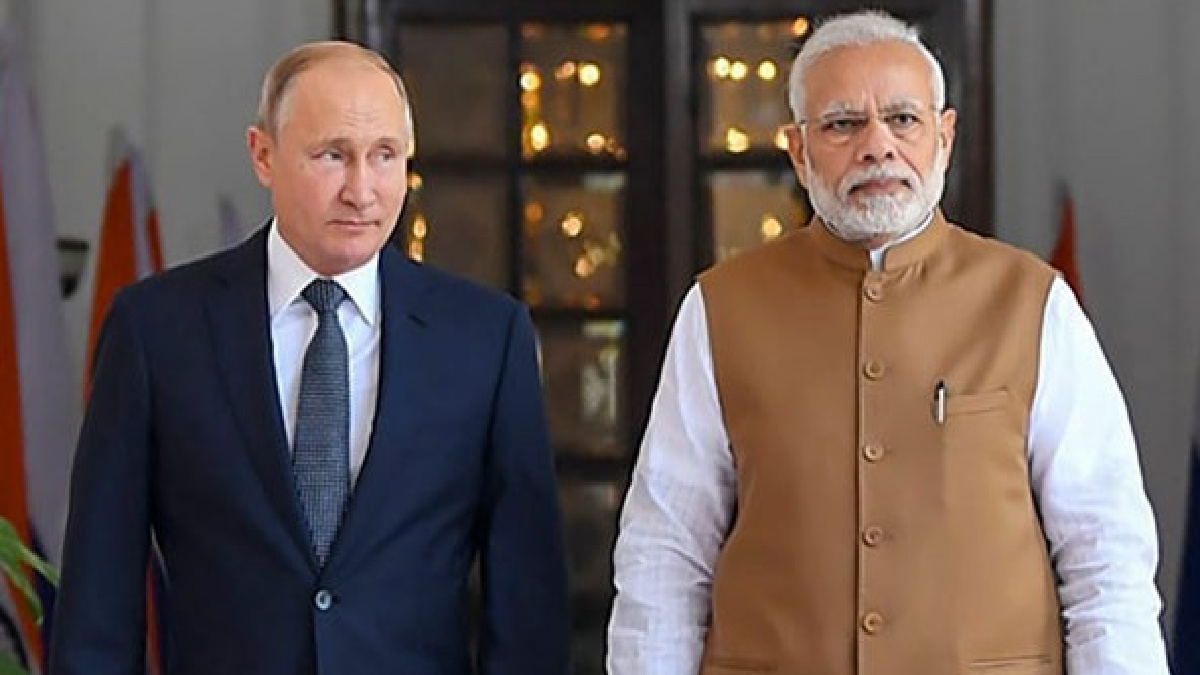
Russian President Vladimir Putin has claimed that Russia is winning on the battlefield in the Ukraine war but underlined that Moscow is still determined to pursue negotiations to bring the conflict to an end. Putin has hailed Russia's military progress in a state of affairs of the long-running war in Ukraine and said Russian military advances are speeding up, and he said the Ukrainian army would eventually be defeated.
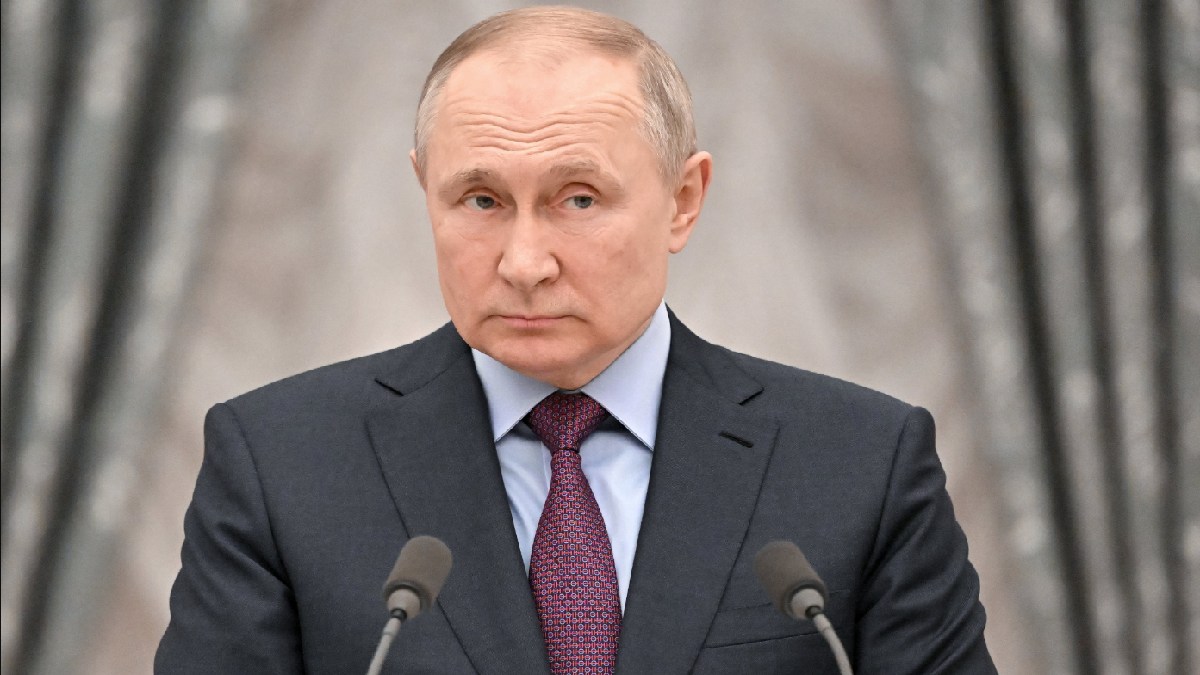
Putin’s words reflected Moscow’s continued hardline stance towards Ukraine’s leadership. The Russian president called Ukrainian officials “terrorists” and said negotiating with them in those terms would not be possible. At the same time he said Russia did not oppose diplomatic efforts if they could make progress towards the end of the war.
According to Putin, Russia’s aim is not to temporarily put the conflict to rest but to reach an agreement that brings the fighting to an end. He also said Moscow is ready to talk to U.S. President Donald Trump in any talks. Putin also said that Russia would welcome nations that could make some kind of a real contribution to negotiations.
And Putin said the only thing we would want to avoid is the process spinning its wheels pointlessly, so Moscow would not support talks that have not produced concrete results. He added negotiations appeared to be largely stalled at present, but Russia was open to efforts that could bring them back on track.
Putin’s comments came as the war continues to grow increasingly frequent drone attacks, including strikes targeting areas inside Russia. While portraying Russia as edging closer to its borders, the president admitted that Ukrainian attacks had done real damage.
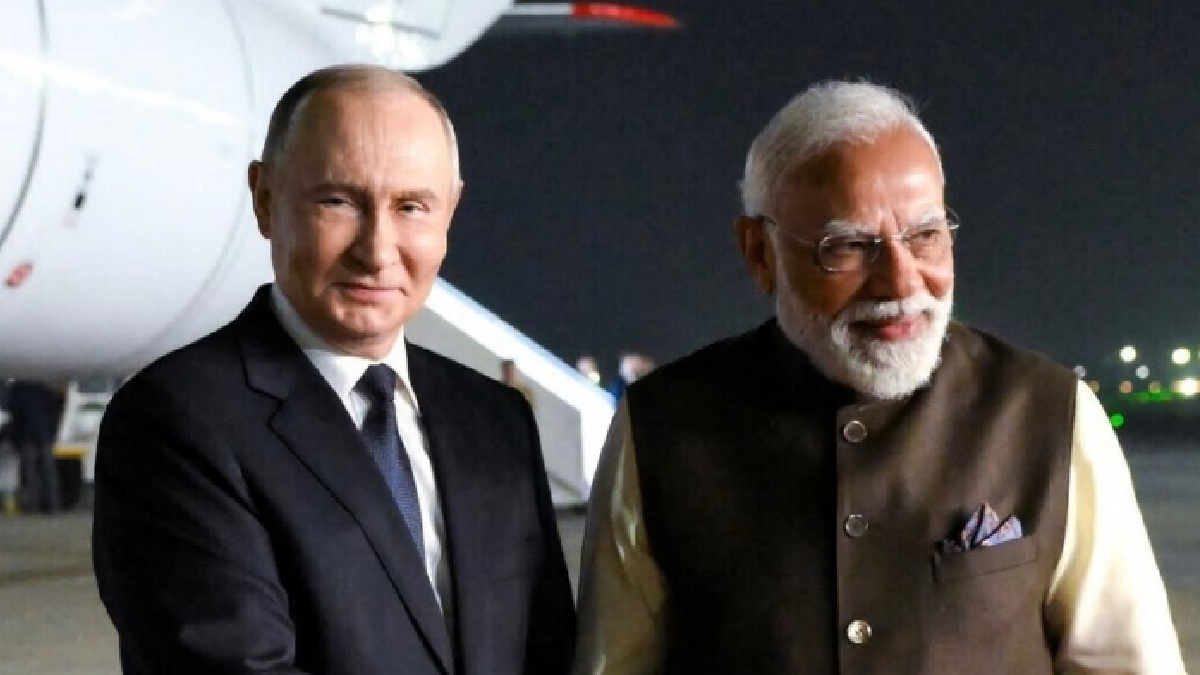
The Russian president also had to respond to commentary by the Ukrainian president Volodymyr Zelensky about Ukrainian drone operations potentially disrupting Russian airspace. Putin described such a scenario as resembling “state terrorism” and warned that Moscow would respond to Ukrainian actions that effectively threatened civilian aviation or Russia’s airspace.
The exchanges highlight the more intricate nature of the fight with military operations and long-range drone attacks and ever-more heated rhetoric. Both sides have still stressed their military capabilities and diplomatic efforts to find a lasting solution have not found much traction.
Putin also dismissed speculation that Russia may be forced to announce another huge military mobilisation. He said that rumours that a new mobilisation would need to be launched were “utter nonsense.” His comments seem to be intended to assure the Russian public that Moscow believes its current military strategy and manpower arrangements are sufficient to sustain the war effort.
The Russian president also expressed confidence in the ultimate outcome of the conflict, saying he had “no doubt” Ukraine's forces would eventually break down. Putin’s statement stressed that the military pressure would only succeed if it continued, and so he can’t expect a radical change in Russia’s current policy without changing anything.
But the prospects of a more serious diplomatic engagement are uncertain. Putin has been willing to talk with American representatives and Moscow may see the United States as a potential partner in the solution to the conflict. Yet his condemnation of Ukraine’s leadership and his insistence that Russia will not do business with terrorists as a matter of course, will remain an obstacle.
So Moscow's latest comments offer two seemingly contradictory messages: confidence that Russia is gaining military superiority and willingness to talk to others. The extent to which those positions will eventually converge into a genuine peace process is unclear as fighting, drone attacks and political tensions continue.
For now, Putin seems keen to project confidence in Russia’s battlefield position yet also leaves the door open to diplomatic activities that Moscow believes will lead to a definitive end to the war instead of a temporary pause.