The Executive Class coaches of Vande Bharat Chair Car trains could soon undergo a significant seating change. The Railway Board is considering a proposal to remove the existing 180-degree rotating seat mechanism and replace it with fixed seats, senior railway officials say. This would shift one of the signature characteristics of the premium seating arrangement of Vande Bharat trains.
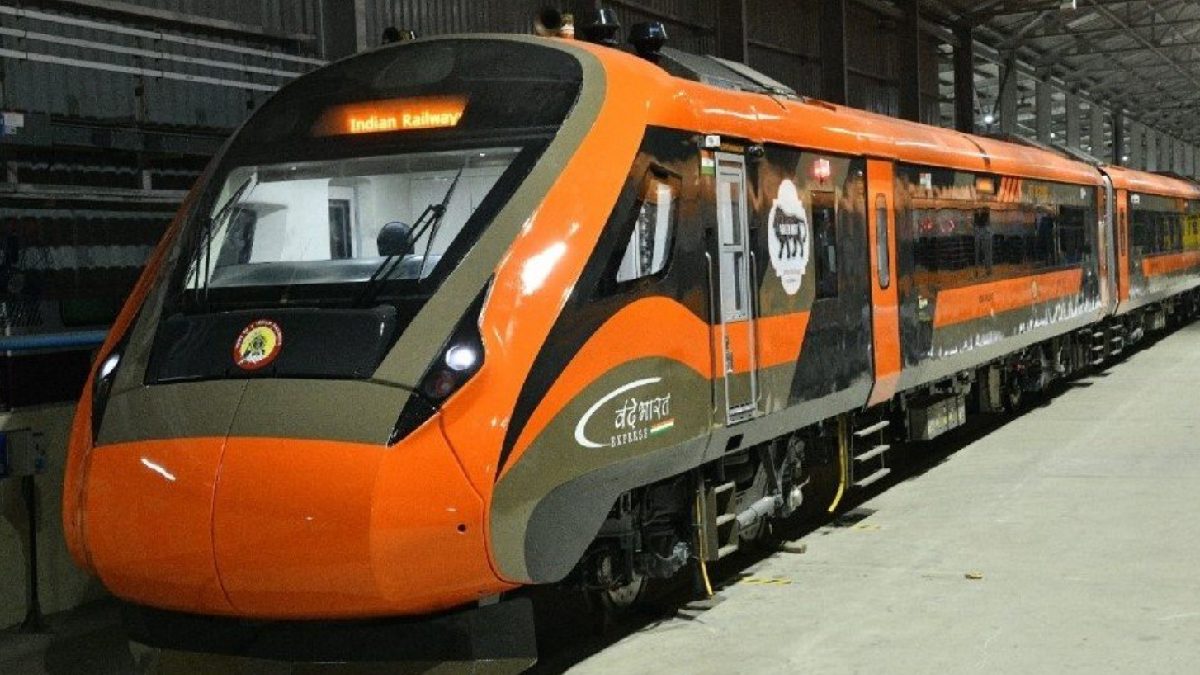
The issue was discussed at a recent meeting of Principal Chief Mechanical Engineers (PCMEs) in which coach production units suggested eliminating the rotating mechanism. The proposed change would also make the seats more robust and reduce the maintenance of the additional mechanical components on which the current design is based.
Vande Bharat Executive Class coaches currently offer passengers 180-degree rotating and reclining seats. There is a way to adjust the direction of the seats according to your preference. Passengers can rotate the seats in the direction of travel or lean them towards the window, allowing for a flexible premium train experience.
But the rotating system also needs a more complicated mechanical system. There are additional parts of the mechanism, clearances, and space around individual seats for them to rotate. There can be wear and tear of these moving parts, and looseness or mechanical faults are possible over time and will have to be fixed.
Why Railways is considering fixed seats?
The reason for the proposal is durability, say railway engineers. The removal of the rotating mechanism would make the seats simpler to construct and more rigid to maintain. Fewer moving parts might also require less inspection, adjustment, or replacement.
In the Railway Board's meeting minutes, it was mentioned that removing the rotating mechanism could make Executive Class seats stronger. The Principal Chief Mechanical Engineer of Integral Coach Factory (ICF), Chennai, has been asked to take further steps on the proposal.
The move is also in line with the long-term reliability of railway coaches. As rotating seats give passengers an extra premium feature, fixed seats could simplify the design and reduce the number of mechanical components inside the coach.
Another benefit might be the increased seating capacity. Rotating seats would need clearance so passengers can turn them safely. Fixed seats would not have as much space around the seating mechanism.
Could Vande Bharat Get More Seats?
One of the most important effects of the proposed change will be to allow an extra row of seats in an Executive Class coach. Railway engineers have suggested that by removing the space needed for seat rotation, the distance between rows can be reduced.
If the design allows for an additional row, each Executive Class coach could carry more passengers. Even a small increase in capacity could have a significant impact when applied across several coaches and multiple Vande Bharat trainsets.
Higher seating capacity would enhance the revenue potential of individual services, especially on routes where Executive Class seats are in high demand. But any changes would need to meet railway safety, comfort, and engineering standards.
The proposal is still in its early stages, so passengers should not expect that the rotating seats on all Vande Bharat trains will be removed from them immediately. Any change would require design evaluation, testing, and approval before being introduced into the actual coaches.
What passengers could gain and lose
Fixed seats offer both benefits and disadvantages to passengers. Better reliability and a lower chance of mechanical problems would result from a simpler seating mechanism, and better use of space in the coach could also be made with this design.
At the same time, passengers could lose one of the features that distinguishes Executive Class from regular train seating. The ability to rotate the seat 180 degrees offers flexibility, especially for those who are in groups or who want to face the direction of movement.
The change might therefore represent a shift in the balance between premium features and operational efficiency. Instead of focusing on movable seating, the proposed design is more about durability, easier maintenance, and passenger capacity.
A possible design shift for Vande Bharat
Vande Bharat trains are being presented as a modern alternative to traditional train services, with features designed to give passengers a premium travel experience. The rotating Executive Class seats have been part of that experience.
If the idea is implemented and passengers are kept to their seats, then the design of the trains will change significantly. The implementation would show how railway authorities are balancing passenger comfort with practical needs for service, maintenance, and longevity of the trains.
For now, the proposal is under discussion. Technical reviews and decisions by the Railway Board will determine if future Vande Bharat Executive Class coaches will have fixed seats or the same rotating configuration. The decision will impact the design of future trainsets as Indian Railways expands the Vande Bharat network.