Abhijeet Dipke has reignited the debate about the educational qualifications of public figures in a new post targeting Prime Minister Narendra Modi.
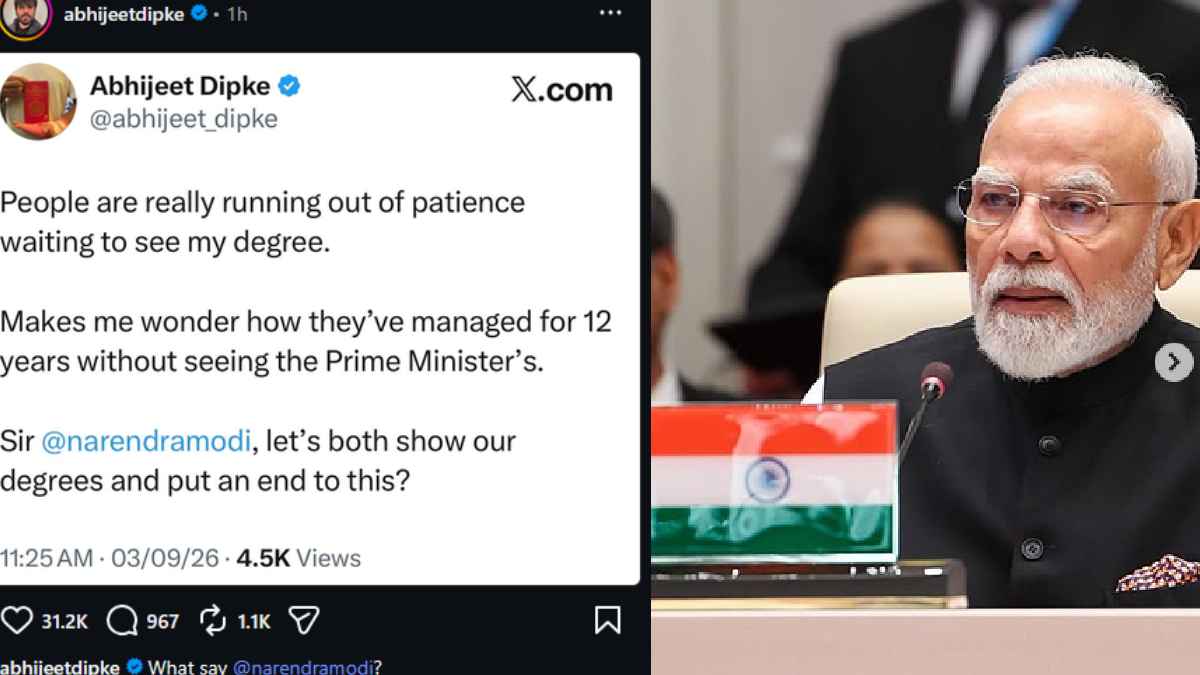
In a posting on X on September 3, Dipke asked why people are still waiting to see his degree while drawing a comparison with the long-standing public discussion about the Prime Minister’s academic credentials.
“People are really running out of patience waiting to see my degree,” Dipke wrote in his post. He then wondered how people had managed for years without seeing Modi’s degree, and used the comparison to highlight what he described as a broader issue of transparency.
Directly tagging Prime Minister Modi, Dipke said: “Sir @narendramodi, let’s both show our degrees and put an end to this?” His comments quickly became part of the social media debate over the educational backgrounds of political and public figures.
Dipke founded the Cockroach Janta Party (CJP), but has been challenged on his own educational history in recent days. He has argued that he is prepared to publish his academic documents and has defended his assertions on his education in the U.S.
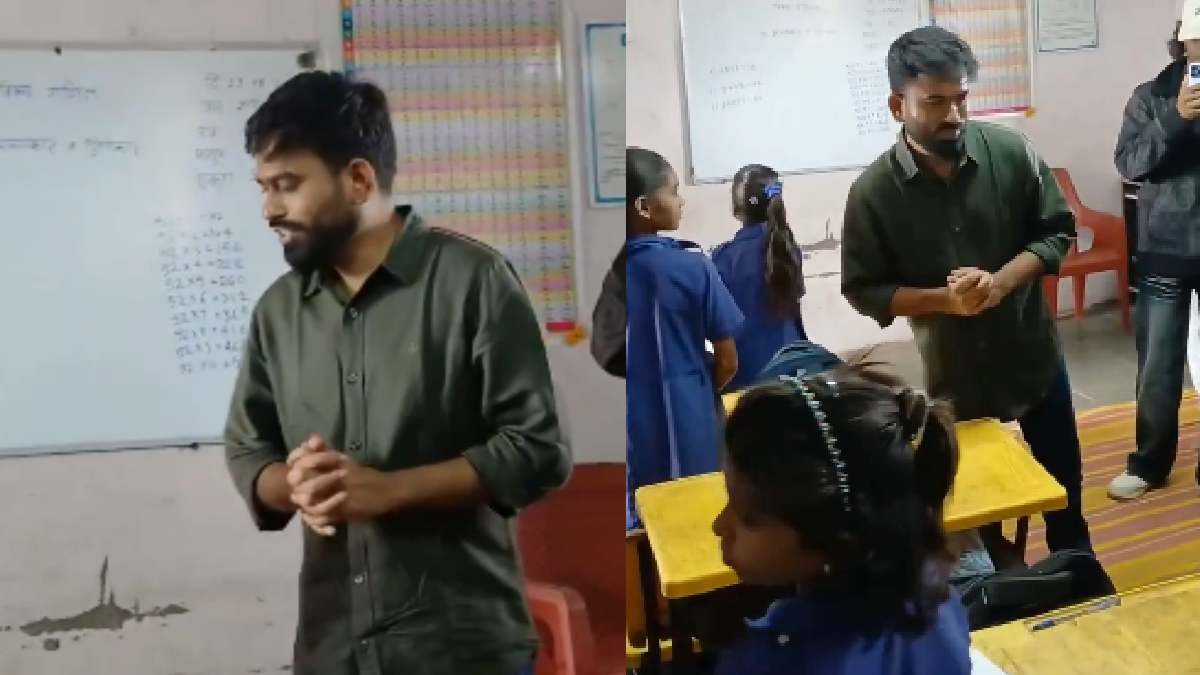
As Dipke said, his studies in the US were funded by a scholarship from Boston University and an education loan.
Questions about his educational background attracted attention online when users raised doubts about his affiliation with the university.
Dipke replied to the critics that questions about his qualifications should be examined, and if educational qualifications are being questioned in his case, then so too should transparency in other public figures.
His post continues that argument. Rather than addressing the issue from a particular perspective as a matter of his academic record, Dipke has tried to frame it as a matter of being open and accountable in public life.
The debate has also been accompanied by conflicting claims on social media. Some have raised questions about Dipke’s Boston University credentials, but he stood by his academic record and has said he does not dispute them.
Saying that Modi's educational qualifications have been known for many years has been a topic of debate for a long time. The records of his degrees have been made public.
A community note on one of Dipke's previous posts also contradicted the claim that Modi's educational documents were not made public.
Dipke’s intervention has therefore further added to an already familiar political debate. What started out with questions about the qualifications of individual academics has now become a larger conversation about transparency, accountability and the expectations placed on people in public life.
As political debate takes place on social media as well, Dipke’s question is likely to get more and more attention from supporters, critics and political observers.
At this point, his message is as much for public figures to openly present their educational records when questions about their qualifications arise.