A shocking claim has emerged from the aftermath of the devastating floods in Nepal, in which a survivor said Chinese supervisors at a Trishuli hydropower project were prevented from leaving a tunnel to escape and from escaping themselves as floodwater and debris threatened the site.
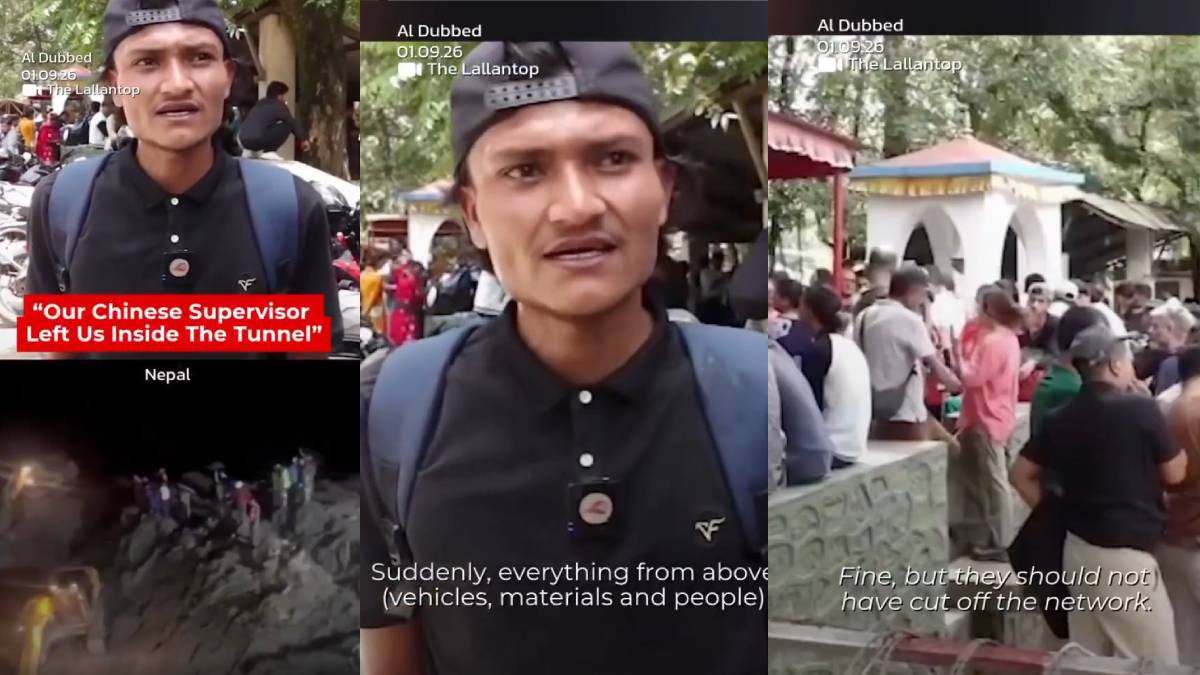
The allegations were made by a Nepali worker who survived the disaster and reported by India Today. The survivor said workers inside the tunnel realized something was wrong and attempted to leave. But Chinese supervisors told them that nothing had happened and stopped them from leaving. The survivor also said that the supervisors escaped the area themselves.
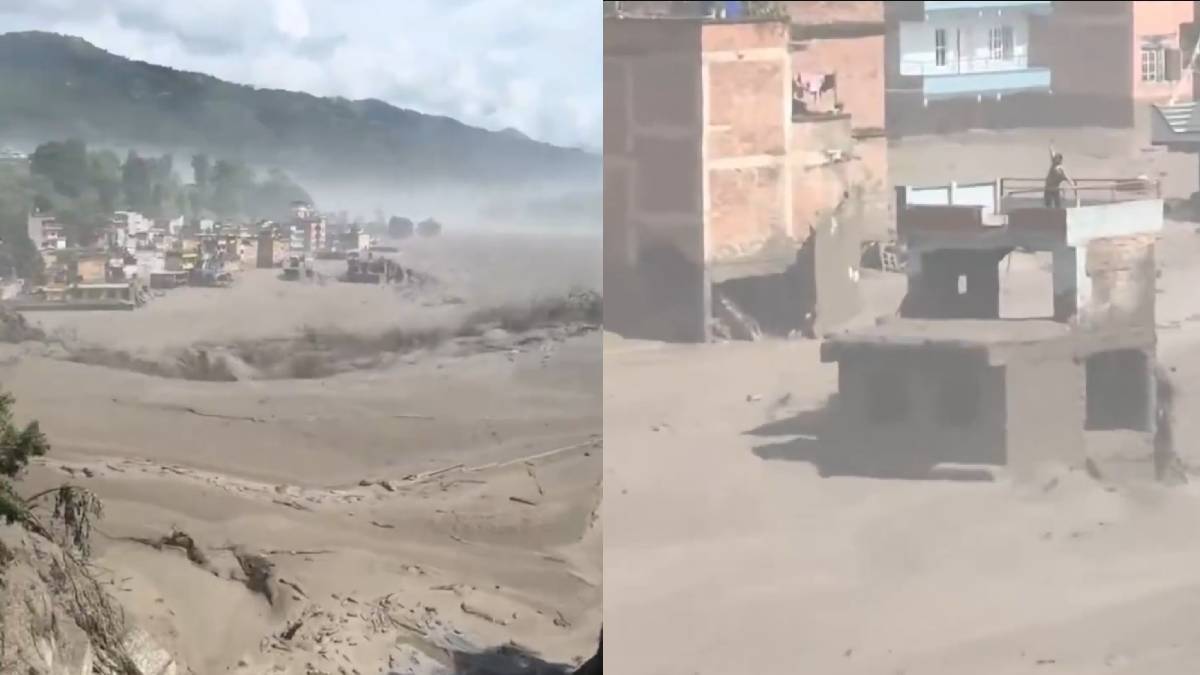
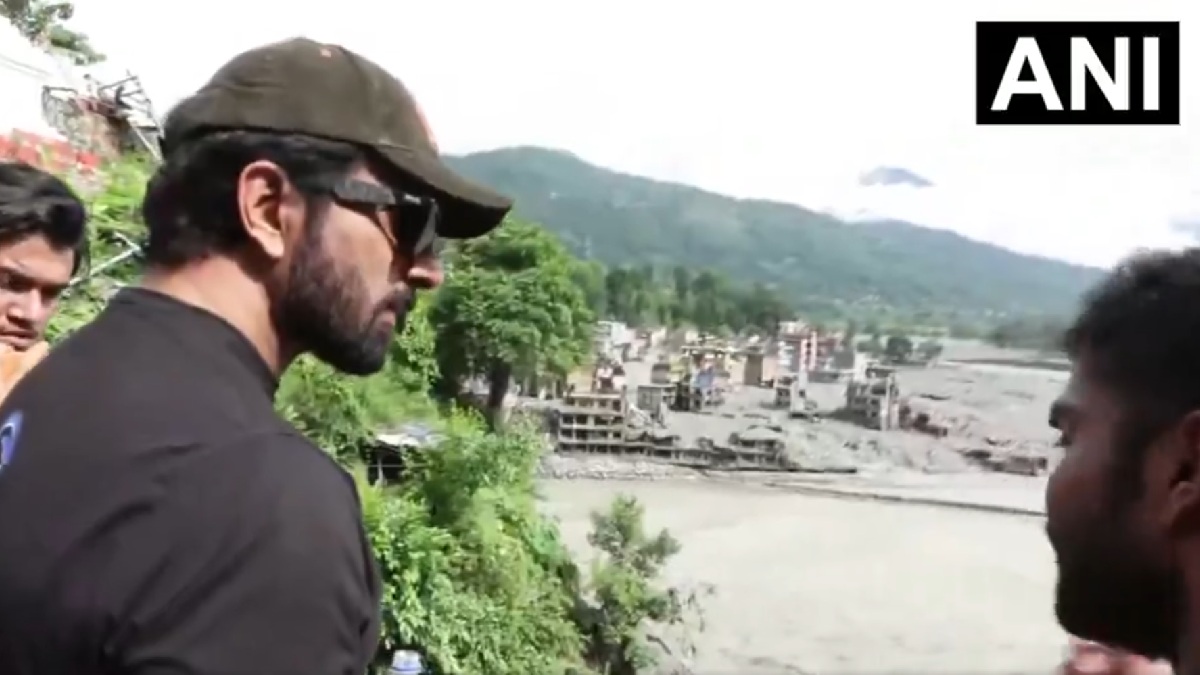
The claim comes during a massive rescue effort in Nepal's hydropower sector due to the catastrophic flooding of the country that struck on August 26. Many hydropower projects along the Trishuli and Bhotekoshi corridors were damaged, with hundreds of workers missing or buried underground.
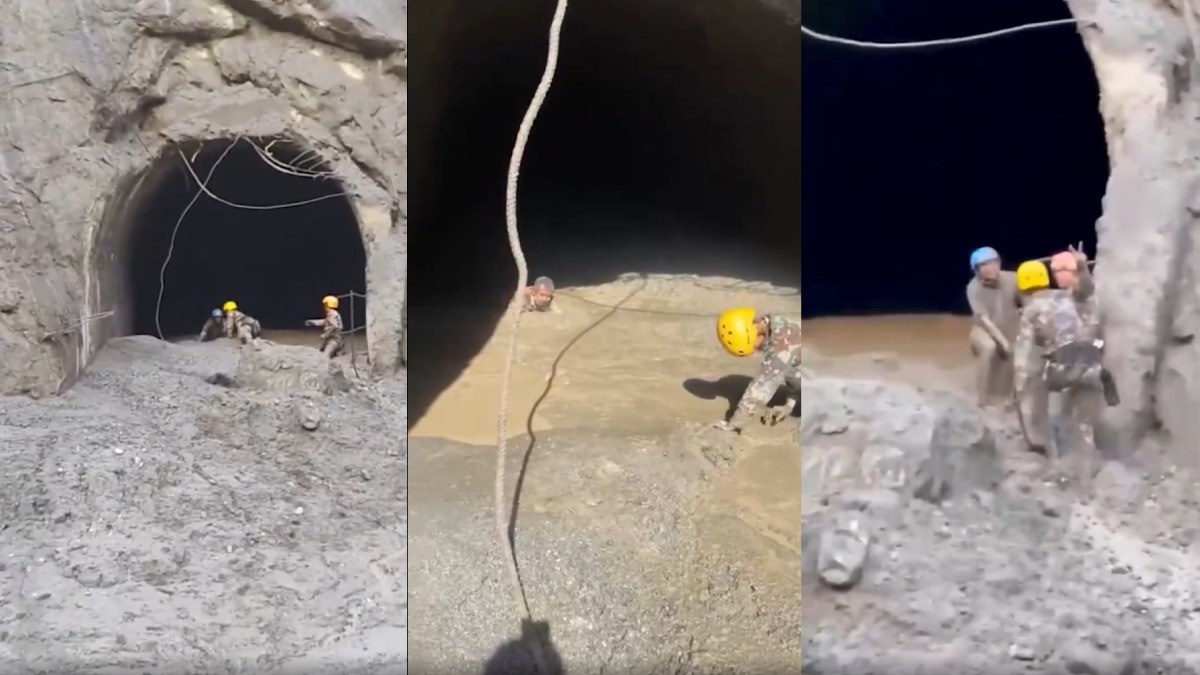
The hydropower site has become one of the most challenging aspects of the ongoing disaster response. Tunnel entrances have been blocked by huge quantities of mud, rocks and debris so that rescue teams are unable to locate any of the missing workers and reach them safely.
There have been reports that hundreds of workers in various hydropower projects remain unaccounted for after the floods. At the Upper Trishuli-3B project alone, 198 employees and workers were still unaccounted for as of August 31, project officials claimed in a report posted by OnlineKhabar.
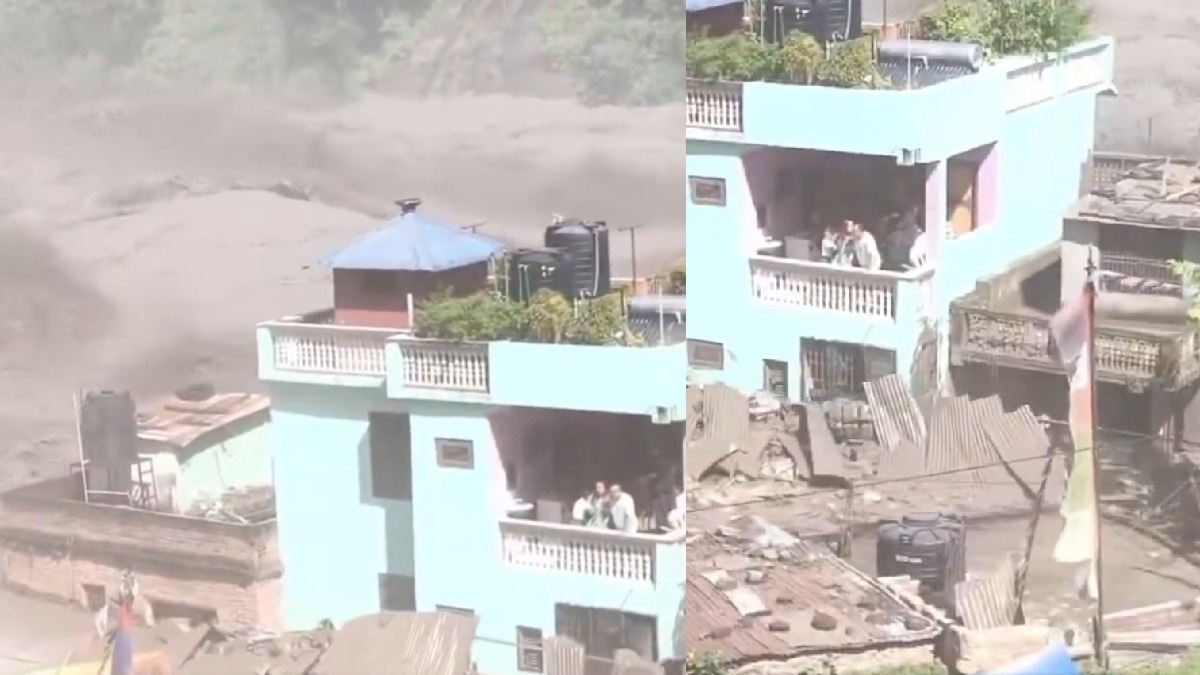
🚨 BIG ALLEGATION ON CHINA
— News Algebra (@NewsAlgebraIND) September 3, 2026
Nepali workers trapped inside the Trishuli Hydropower Project tunnels claim that their Chinese supervisors stopped them from escaping and then fled themselves 😳
"We were stuck inside the tunnel. Our Chinese supervisors told us that nothing had…
The Upper Trishuli-3A project has also been a major focus of rescue efforts. There were said to be dozens of workers trapped or missing there, and rescue crews were faced with major obstacles due to mud and debris inside the tunnel.
The allegations concerning Chinese supervisors are especially sensitive because several Chinese companies and personnel have been involved in Nepal's hydropower construction sector. The Trishuli-3A project is being developed by Power China Corporation, whose personnel oversee engineering work at the project, according to the India Today report.
But the survivor's account remains an allegation and has not been independently verified. There is no evidence in the above-mentioned reports that Chinese supervisors deliberately prevented workers from leaving or that their actions directly caused deaths or injuries. The evacuation and the actions of individuals in the process are further investigated.
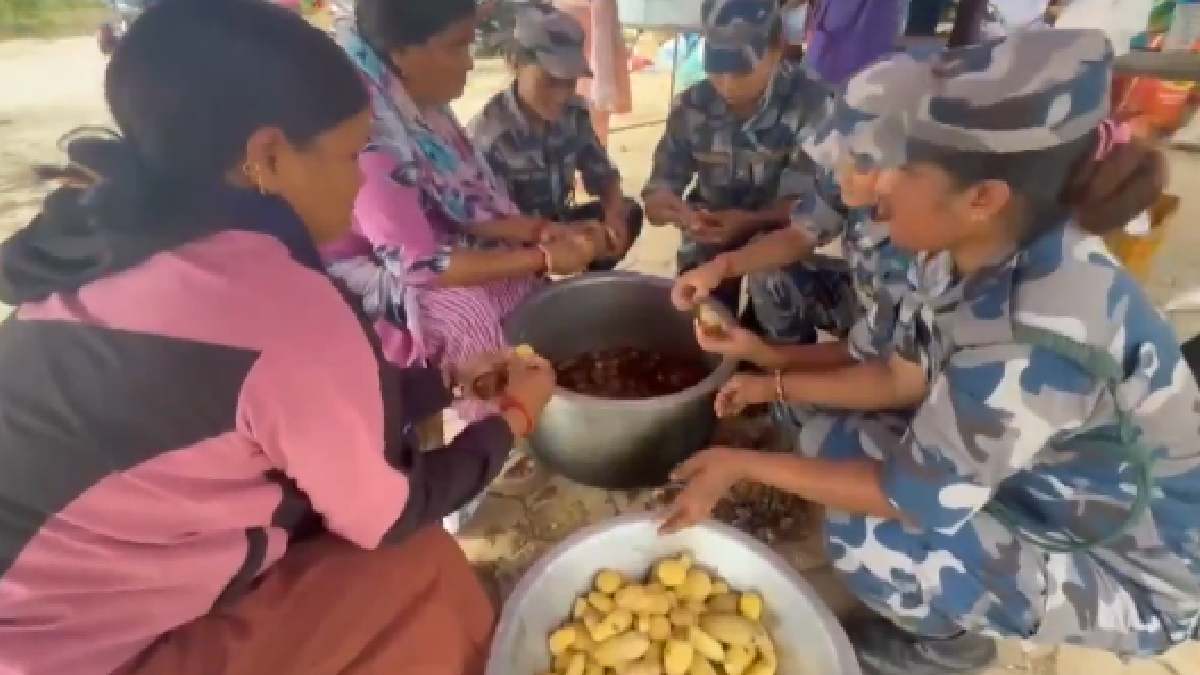
Meanwhile, rescue teams have been trying to reach workers trapped at various hydropower facilities. The Nepalese government has also been involved, as well as international assistance. Chinese technical experts have also been deployed to assist in the rescue efforts at affected hydropower projects. Radio Nepal reported that a team of six Chinese technical experts arrived to work with Nepali Army rescue personnel at the Upper Trishuli-3B site.
The disaster has severely hampered the rescue operation. Access routes have been blocked, and mud-filled tunnels have posed a major hazard to rescue personnel. At times, teams were searching through kilometres of underground tunnels.
The wider disaster has affected many hydropower projects in northern Nepal. Reuters reported that rescue efforts were ongoing at several facilities, while workers were missing from Upper Trishuli-3A, Upper Trishuli-3B, Rasuwagadhi and others.
The allegations have added another layer of concern to an already devastating humanitarian crisis. Parents of missing workers are asking for faster search and rescue operations and answers to how the floodwaters hit the project sites.
As search teams continue to scan tunnels and damaged infrastructure, a timeline of the events must be established. Investigators would need to know when warnings were received and what orders workers were given, whether evacuation protocols were followed, and why some workers escaped and others remained trapped.
Thus far, the survivor's account has caught attention for it raises serious questions about emergency preparedness, workplace safety and evacuation procedures at hydropower projects in areas of mountainous remote regions.
The Nepal disaster has already shown the huge risks for workers working deep underground when a sudden flood, landslide or glacial event happens. The new accusation could heighten the scrutiny of safety protocols and emergency-response processes for most big infrastructure projects.
The task at hand is still to find out who is missing and bring the people with whom we can find somebody to safety through rescue. At the same time, authorities will have to determine what is actually happening to the evidence and what to do if there are any safety protocols that were not adhered to or were violated.
The Chinese supervisors' accusation is still an allegation at this stage, but it has led to calls for a full investigation into the events inside the Trishuli hydropower tunnel.