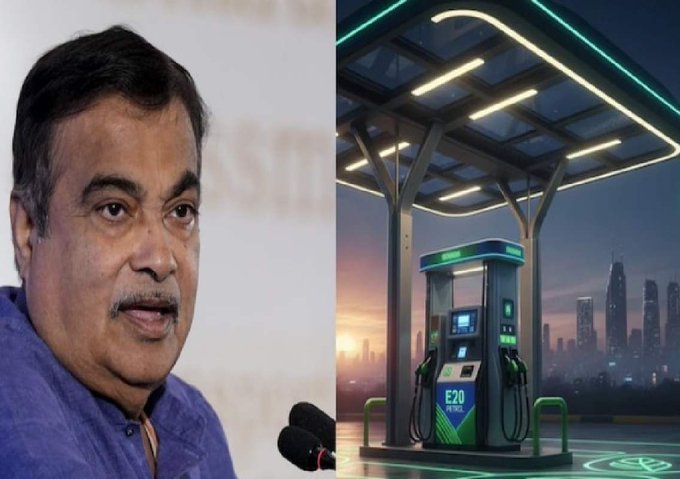
In a landmark ruling on the growing problem of online misinformation and AI-generated content, the Bombay High Court has ordered social media and tech giants Meta, X (formerly Twitter), and Google to remove defamatory and AI-generated posts against the Union Minister for Road Transport and Highways Nitin Gadkari. The court’s intervention comes as digital media is rapidly spreading fake content and deepfake videos.
The case is about a series of social media posts, videos, and AI-generated deepfakes that linked Gadkari and his family to financial gains from the Centre's Ethanol Blended Petrol (EBP) programme and the E20 fuel initiative. Gadkari maintains that the allegations are false, misleading, and defamatory and that the E20 programme is carried out by the Union Ministry of Petroleum and Natural Gas and not by his ministry.
During the hearing, the Bombay High Court expressed high disapproval of the content circulating online. Some of the material it considered “vile,” “abusive,” “obscene,” and “certainly defamatory,” and the court’s urgent interim relief was granted to Gadkari and directed the platforms that produced the offending material to take it down.
The court also raised serious questions about the role of social media intermediaries in monitoring and removing harmful material. The judges asked why more robust systems are required in social media platforms to detect and remove defamatory material in time to prevent it from spreading to the masses.
That followed another Bombay High Court decision in which Gadkari could also file a civil defamation suit against Meta, X, Google, and unidentified people who were behind the creation of and spreading the disputed content. Gadkari argued in his petition that the AI-led posts painted him as being personally responsible for the ethanol-blending programme and suggested that he and his family had benefited financially from it. He also said that the claims had inflicted huge damage to his reputation.
The Minister’s legal team also sought not only to remove the content but also to enjoin the future circulation of similar material and to have a permanent injunction against the circulation of similar material. The petition also highlighted the way artificial intelligence is increasingly being used in the production of realistic videos, images, and related material so that misinformation is circulated quickly and can influence public opinion.
The case has been closely watched because it is one of the biggest legal battles in India regarding AI-generated deepfake content and online defamation. Legal experts believe the outcome could shape how social media companies handle complaints related to manipulated content in the future. The result may also help open up a discussion on platform responsibility and the need for stronger safeguards against AI-driven misinformation.
With artificial intelligence tools becoming more sophisticated and accessible, governments, courts, and technology companies across the world are grappling with the challenges of deepfakes and synthetic media. The new Bombay High Court order shows that Indian courts are ready to take a proactive approach when such content is alleged to harm reputations and spread false information online.
As long as the case continues, Meta, X, Google, and other digital platforms will need to respond to judicial orders and beef up their systems to detect and remove harmful AI-generated content. And this may be the seminal case in India's evolving legal framework for artificial intelligence, online speech, and digital accountability.