In Odisha, a disturbing segment of the Keonjhar district raised awareness of the challenges of getting to formal institutions for individual people in rural and tribal areas.
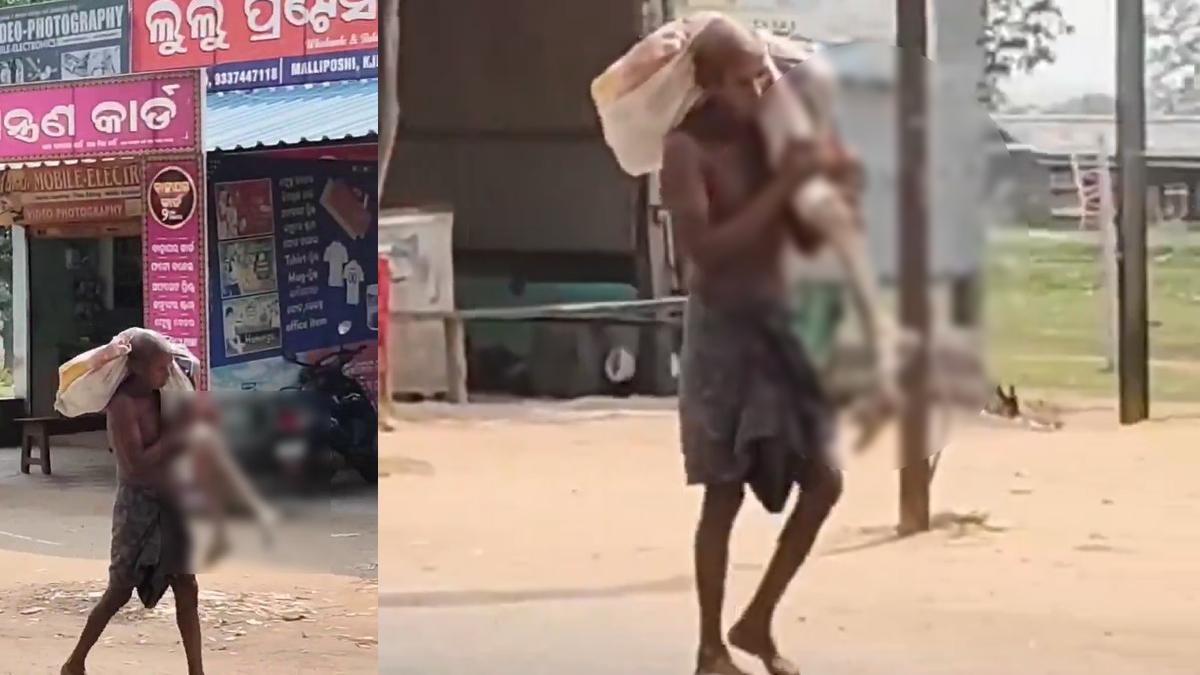
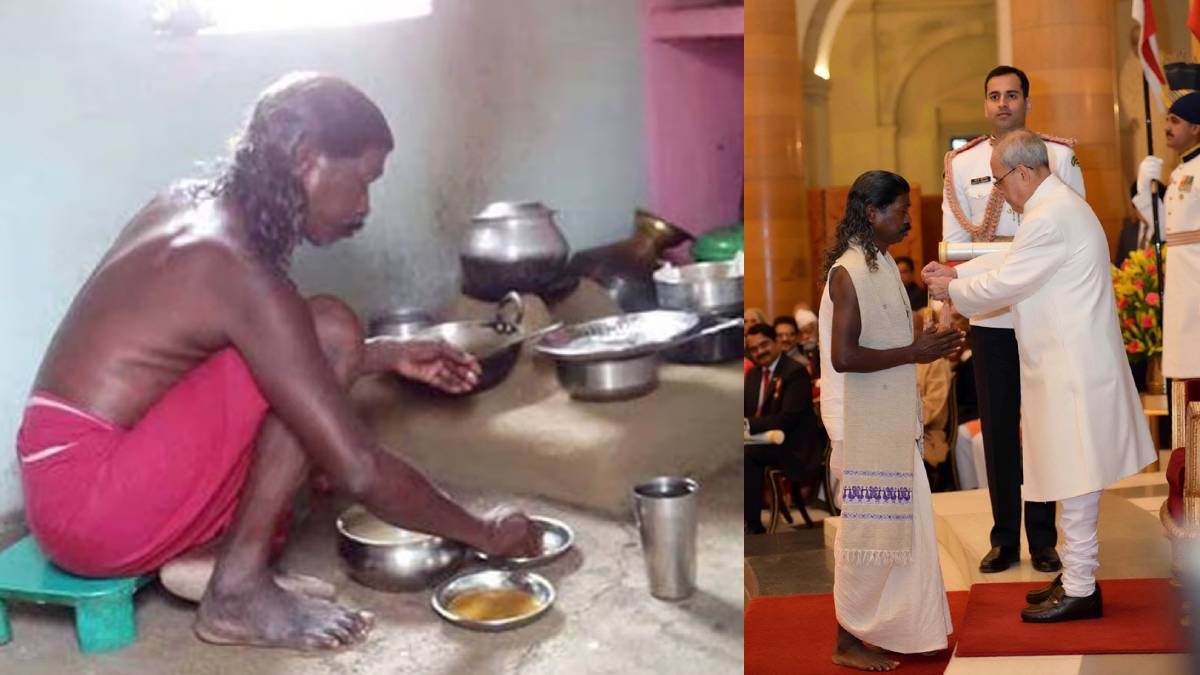
A tribal man, taking (to a bank on April 27) his dead sister’s skeletal corpse as far as he could, tried to take his inheritance and withdraw it from her bank account. This shocking and unexpected act came before the eyes of all the citizens, let alone the court.
The man allegedly had been trying to access the money that had been deposited into his late sister's bank account, but had been prohibited from doing so unless he had the necessary legal documents. So he had taken the step, and he thought that would legitimise his position, tired of the repetitive problems and not knowing how to do it. It was not malice, but ignorance that resulted in the man’s actions, said Uma Shankar Dalai, Sub Collector of Keonjhar, in retaliation.
“The tribal man was unaware of procedural stuff. He did because he was frustrated,” Dalai said. Officials said the bank had complied with regulations. The man is not a Class-I legal heir under Indian succession laws, and thus, he has to produce certain documents — among them, a legal heir certificate and a death certificate to get back the money.
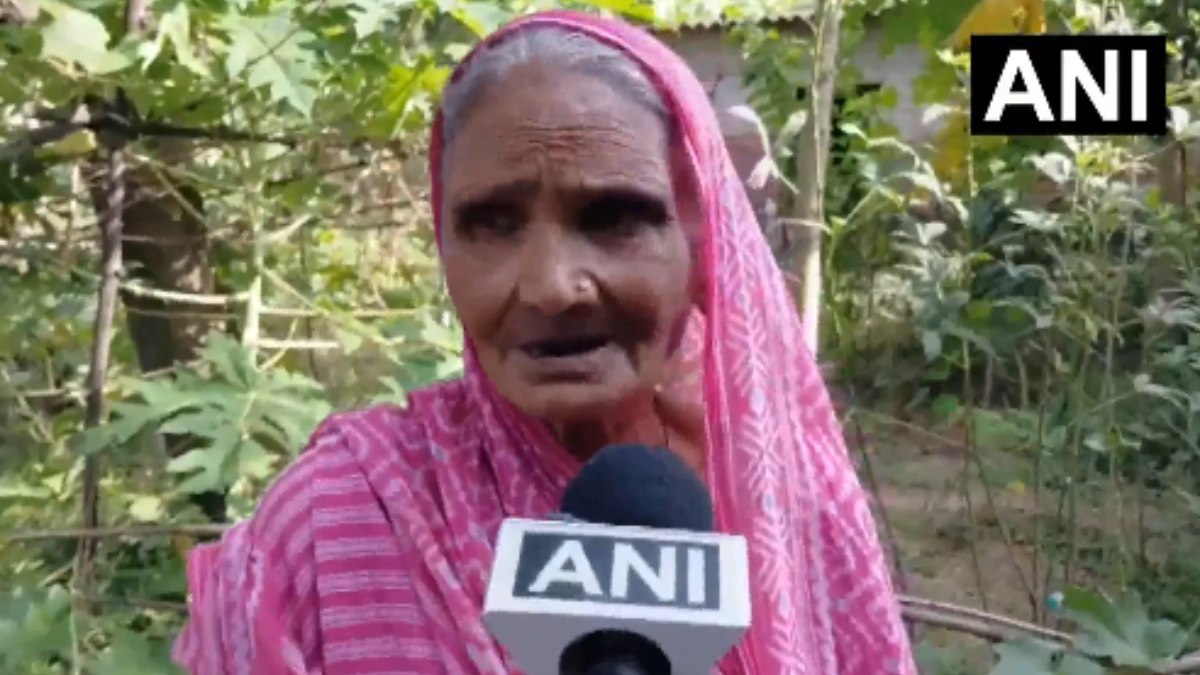
A tribal man was seen carrying his deceased sister's skeleton to the bank to withdraw money from her account, claiming to be her heir, in Odisha's Keonjhar district, on April 27.
— ANI (@ANI) April 28, 2026
On the incident, Uma Shankar Dalai, Sub Collector, Keonjhar, said, "The tribal man was not aware of… pic.twitter.com/oe5l3xE8Yo
They couldn’t release the money for the bank. The local government is taking the case seriously and has requested help on behalf of this man. Even so, authorities are now providing death certificates and legal heir certificates so that the real beneficiaries can get the amount deposited straight away.
Similarly, the administration has also been working with its authorities to address the humanitarian crisis and has received funding in the amount of ₹20,000 under the Red Cross package, which would cover immediate needs. Official promises would also be crucial, as these will ensure, at the very least, that the situation will be addressed in accordance in a tender manner, depending on the social and economic status of the victim of this.
The incident raised a broader debate about the gap between formal institutional processes and the real treatment of marginalised communities. Non-citizens tend to be quite ignorant of legal and banking rules, which, many say, can create confusion and frustration and sometimes even the kind of extreme crime we’re seeing. And it highlights the need for financial literacy and administrative outreach within those communities.
The people need to participate in the documentation processes, the inheritance regulation and the banking process or similar, and that is important to avoid this kind of situation in future. Sure, there is a picture being heartbreaking of a heartbreaking man carrying skeletal remains to a bank, but it reflects a symptom of something deeper: structural barriers that vulnerable groups are facing.
The administration progressing quickly here could potentially resolve the current case, but they must also remind us that if the government is going to be truly just as concerned with everyone, at every point in turn, there will be no one line of entry into a country; each person must know what is there, for everyone to see.