More than 15 students were admitted to a hospital in Karnataka's Kalaburagi district after food contamination was suspected among students in the district after they fell ill in Kalaburagi, raising concerns among parents, school officials and local officials.
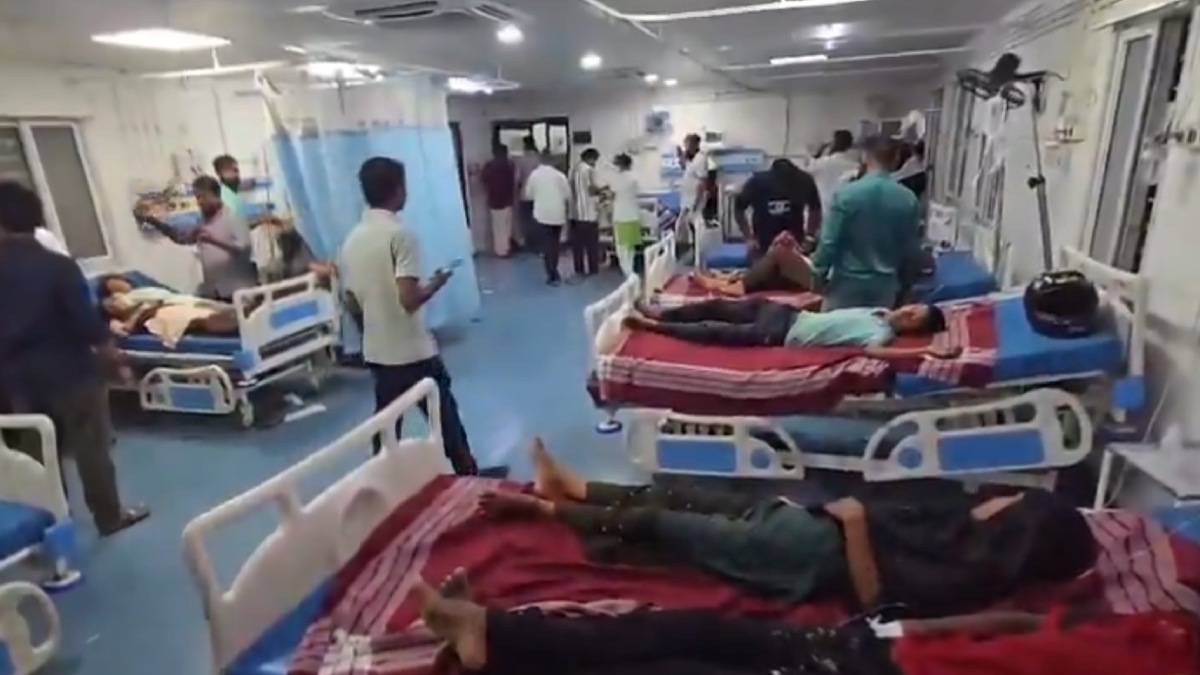
The district administration has immediately launched an investigation to find out why the students are sick, health officials said.
Early on, after they had eaten food, the students began experiencing stomach pain, nausea, vomiting, and discomfort, according to preliminary information. Teachers and school staff soon noticed a few children were experiencing uneasiness and immediately contacted health authorities.
Emergency medical teams responded quickly, and the students were shifted to a government hospital to be treated. All of them were under observation and most of them were in stable condition, doctors who attended to them said.
The incident caused panic among many of those parents, who rushed to the hospital as soon as they found out their children were sick. Hospital officials reassured families that timely medical help had stabilized the students and it was not necessarily a threat to them.

District officials visited both the hospital and the school to investigate the situation. Health and food safety officials were instructed to conduct a thorough investigation into the contamination, among others, senior administrative officers said.
Samples of the food students received have been collected and sent for testing to determine if bacterial contamination, improper storage or other factors caused the illnesses.
The kitchen where the food was being cooked has also been inspected, in terms of hygiene requirements, cooking process, water quality, and storage conditions. The investigation would determine whether food handling or sanitation was to blame for the incident, officials said.
Food safety is still a primary concern for schools and educational institutions in which meals are prepared and served to large numbers of children. Hygiene guidelines, including clean water, cooking temperature control, safe storage of food and regular health checks of kitchens are very important for government guidelines. If they do not meet these standards, contamination and foodborne illnesses are inevitable.
Medical experts say food contamination symptoms frequently include nausea, vomiting, abdominal cramps, diarrhoea, dizziness and fever. Early medical attention is critical especially for children who can become dehydrated more quickly than adults. Most cases recover well in a period of time.
The district health department recommended schools be vigilant and to report unusual health problems to the health department immediately. Schools are also required to keep kitchens clean, take meals to the cleaners frequently, clean food handlers and monitor food service and the quality of meals and all food products.
Parents have called for a thorough investigation and strict action if negligence is found. Many voiced concern over the safety of meals served to students and called for tighter control mechanisms to prevent such incidents in the future. They also stressed the importance of regular food quality inspections and surprise checks at institutions serving meals to children.
The local authorities assured the public that every aspect of the incident would be thoroughly investigated. If laboratory findings of food contamination and negligence are confirmed, all legal and administrative action will be taken against those responsible.
The hospital staff continues to monitor the affected students until doctors are satisfied that they are fully recovered. Most students are expected to be discharged once their condition improves and they are deemed medically fit.
#Breaking #Kalaburagi
— Imran Khan (@KeypadGuerilla) July 10, 2026
Over 15 students fell ill after eating at the Morarji Desai Minority Hostel in #Chittapur taluk. They were hospitalised after reportedly vomiting. Food or water contamination is suspected; investigation is underway.#Karnataka pic.twitter.com/m0aK3ARgOy
The incident should again underscore the need for schools to have very high food safety standards. Regular inspections, improved training for food handlers, strict hygiene practices and emergency response measures are all critical to protecting students’ health, experts say.
Investigators are waiting for laboratory test results for the reason for the suspected food contamination to be determined. Any action and recommendations for education in Karnataka are expected to be made after this incident.