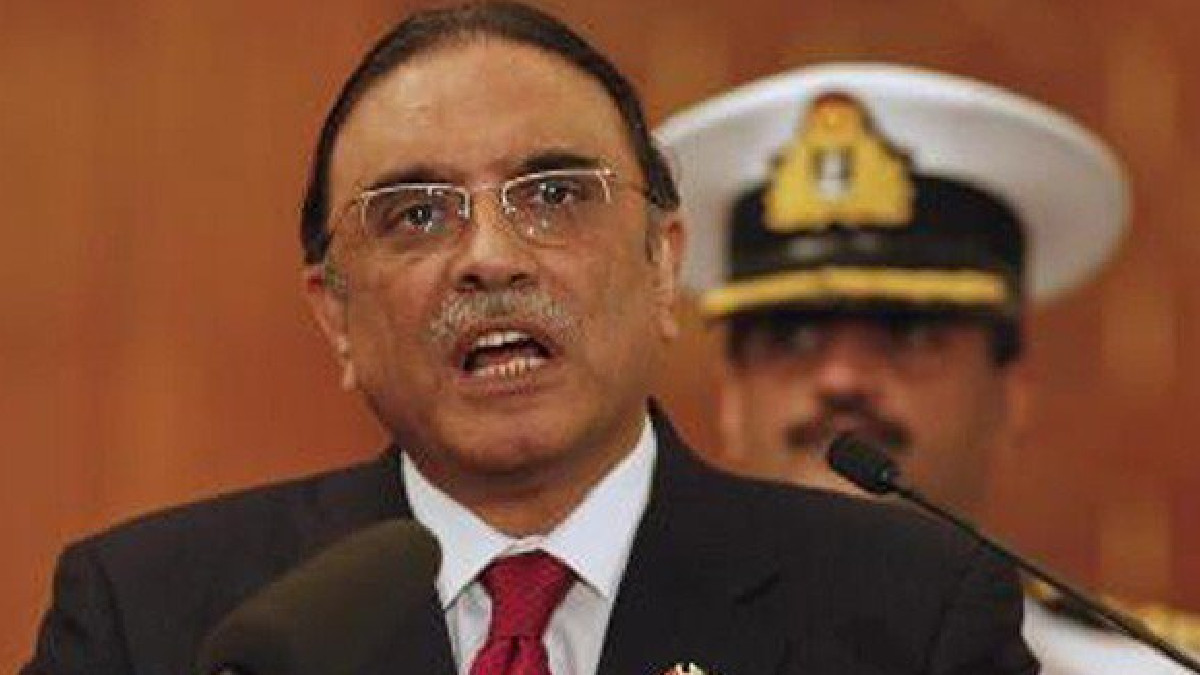
Pakistan Defence Minister Khawaja Asif has raised a fresh threat against India, warning that Islamabad will take action in case of water security threat if it believes water security is threatened by India and will declare war as it may be forced to act if it is not safe from attack in the future. The comments come at a time when relations between India and Pakistan are strained as the Indus Waters Treaty and India’s decision to suspend the Indus Waters Treaty with regard to Pakistan following the April 2025 attack in Pahalgam, which claimed 26 lives, has led to tension between the two nations.
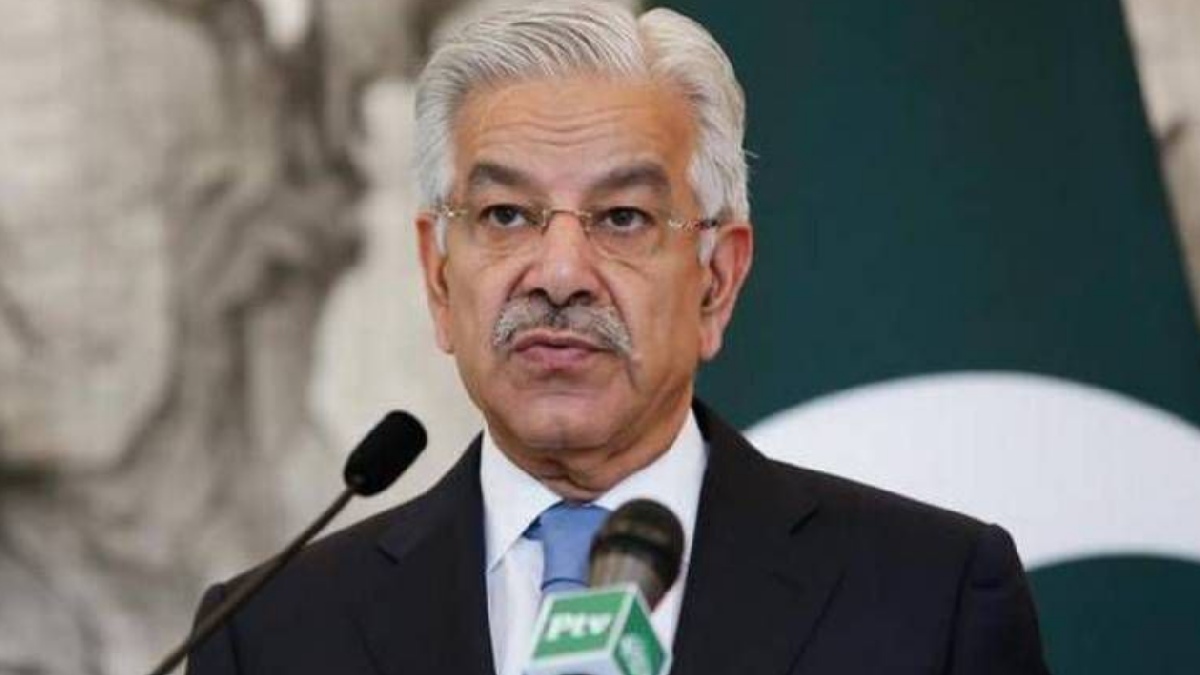
Asif directly linked Pakistan's water concerns to national security and suggested that military action could be taken if Islamabad felt India was making moves that affected water flows allocated to Pakistan.
"When we feel that our national security and water are being threatened, we will go to war against India. Definitely," Asif said during the interview.
The comments have caught the attention since they come in the context of Pakistan’s growing internal water crisis, which analysts say is a result of long-standing domestic problems, not of any actions taken by India. And even though Asif went on to make serious accusations, he said he has not been aware of developments that have taken place in the past year.
India suspended the Indus Waters Treaty after the deadly Pahalgam terror attack and has said the agreement would not be fully ratified until Pakistan takes credible and verifiable action against cross-border terrorism. New Delhi has consistently argued that terrorism and normal bilateral arrangements cannot work in the same direction.

The Indus Waters Treaty, which was signed by the World Bank in 1960, has governed water-sharing deals between India and Pakistan for over a century and has survived wars between the two countries. India’s decision to withdraw from it was a change in policy after a decade of terrorism from Pakistani soil.
Asif accused India of manipulating water flows in the Chenab River and hiding information related to water-sharing agreements. Pakistani authorities conducted more than 115 inspections related to treaty-related infrastructure and monitoring, he said, but no concrete evidence was provided to support the allegations.
India has always maintained that its actions are within its sovereign rights and has rejected attempts to portray legitimate policy decisions as acts of aggression. New Delhi has stressed that any future water-sharing engagement must be based on security challenges and cross-border terrorism.
The latest accusations come as Pakistan is experiencing a severe domestic water shortage from various parts of the country. Sindh's irrigation department has documented the magnitude of the problem. The North West Canal is currently running at a water deficit of 64.1 percent while the Rice Canal is running at a shortfall of 38 percent. The Dadu Canal has an even worse deficit of 82 percent.
These shortages have raised concerns for agricultural productivity, food security, and economic stability in Pakistan. There has been increasing pressure on the Sukkur Barrage, one of Pakistan’s central irrigation systems, as water levels are falling.
Local leaders and stakeholders have warned of serious economic impact if the shortages persist. But Pakistan has also been criticized over how it is handling water distribution and resource management, with many pointing to unresolved internal conflicts and aging infrastructure as contributing factors to the problem.
Water is a sensitive issue in South Asia, but India’s position has been clear: national security matters cannot be ignored, especially in the wake of terrorist attacks. Pakistan has been worried about water availability, but New Delhi has emphasized that progress in bilateral relations depends on concrete action against terrorism.
And as disputes over the Indus Waters Treaty continue, the focus is likely to remain on regional security and Pakistan’s growing domestic water problems, which seem to be at the heart of the country’s current crisis.