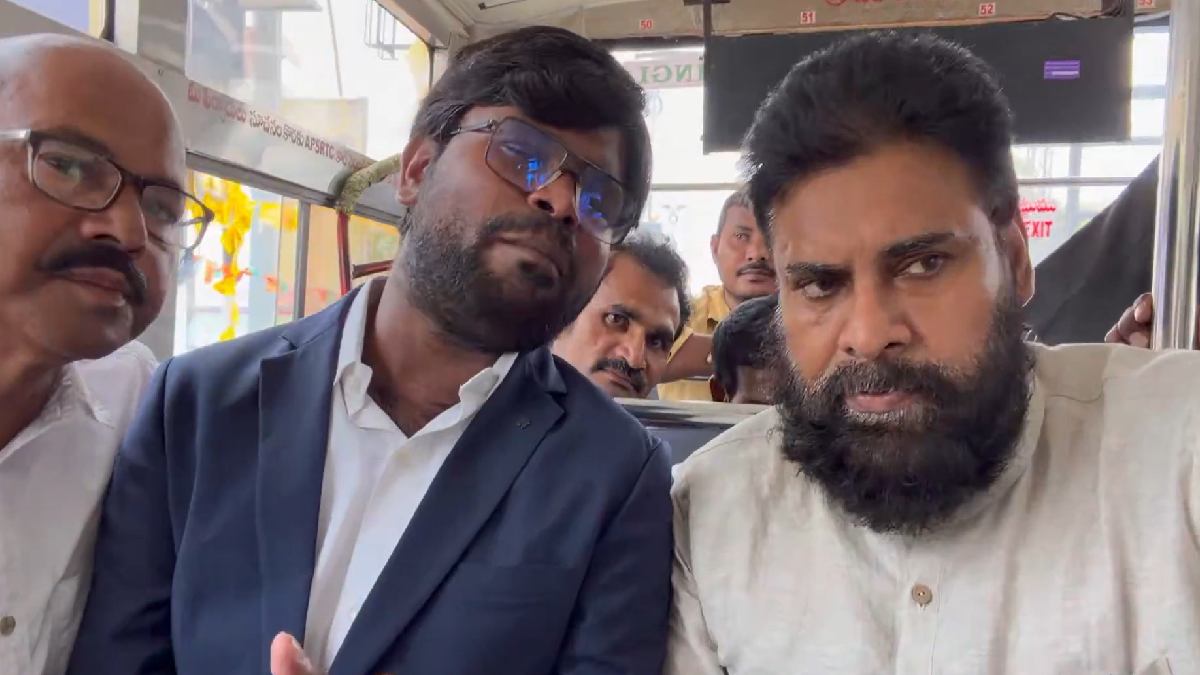
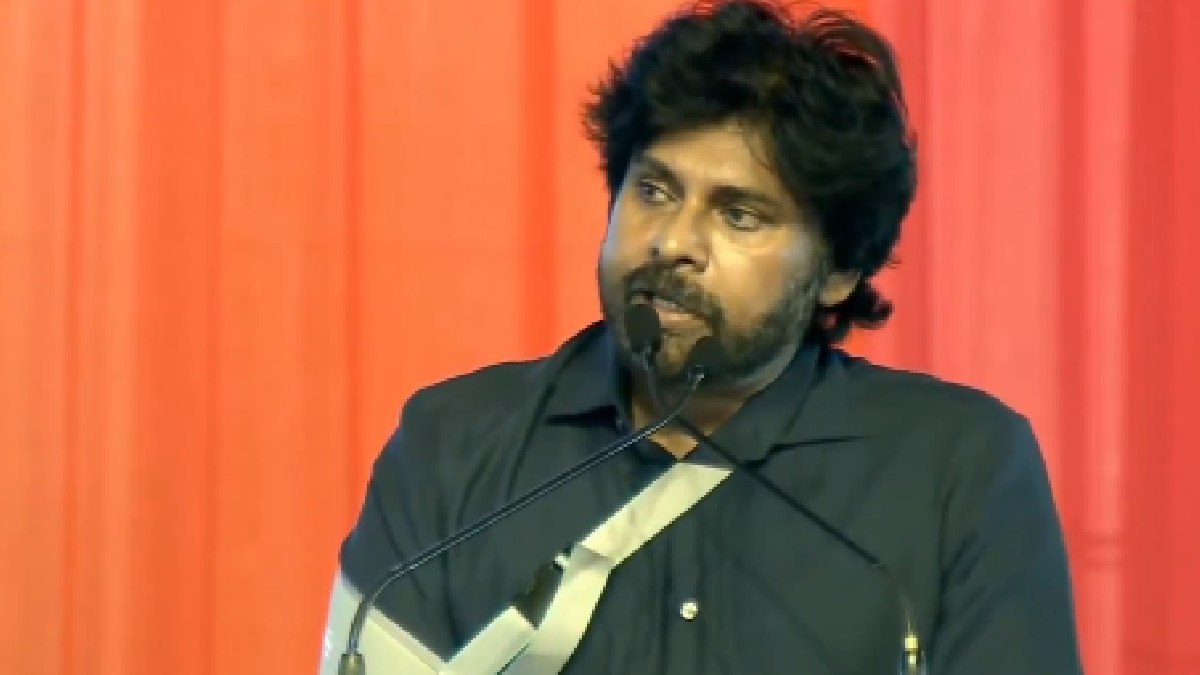
Hyderabad/Amaravati: Andhra Pradesh Deputy Chief Minister Pawan Kalyan has triggered a fresh political and linguistic debate after making remarks in support of the Hindi language, provoking strong responses from several quarters in South India.
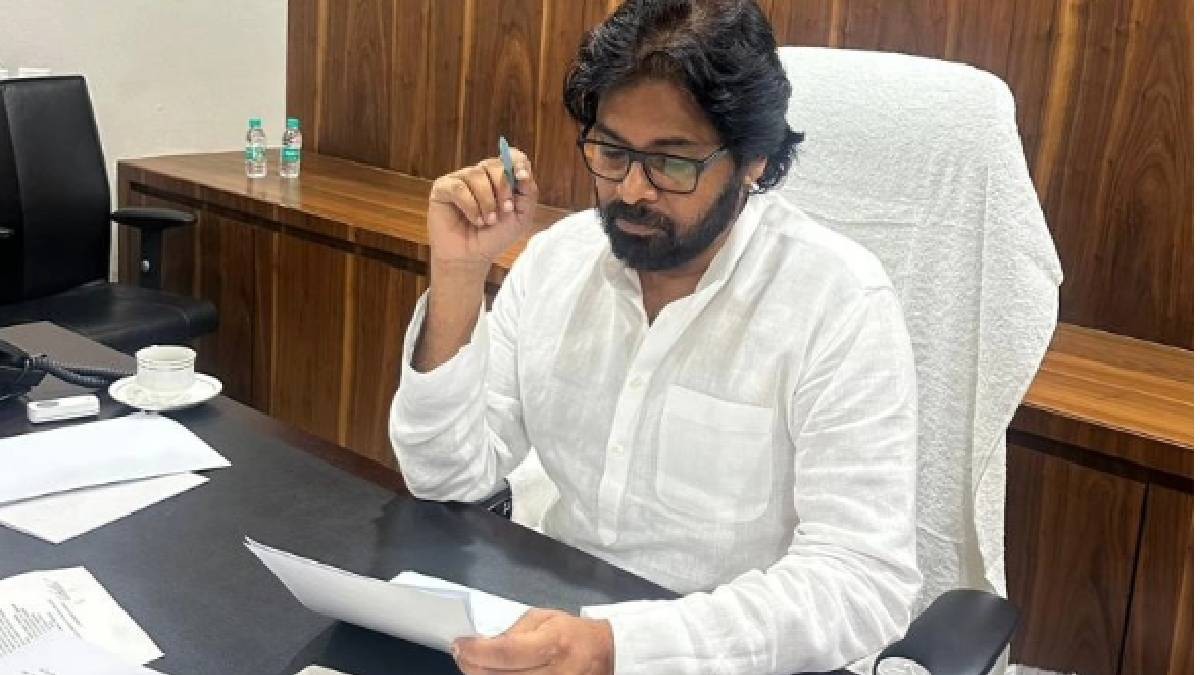
Pawan Kalyan emphasized the importance of learning more languages, including Hindi, to increase educational, employment, and communication opportunities. He said learning Hindi should be seen as an extra skill, not as a threat to the mother tongue or regional identity.
But his comments have reignited the long-standing language debate in southern states, where concerns over the perceived imposition of Hindi have historically generated strong political opposition.
Political leaders and regional groups protested these comments and said that while learning any language voluntarily is fine, imposing a particular language on non-Hindi-speaking states is not acceptable. Regional languages like Kannada, Tamil, Telugu, Malayalam, and others are cultural assets that must be protected and promoted.
Pawan Kalyan's supporters defended his position because multilingualism is beneficial in education, jobs, business, and national integration. Hindi is not a foreign language in itself; there should be the freedom to learn another language in a personal or professional context, they said.

The issue has once again brought attention to the national conversation about India's multilingual identity. The country has many scheduled languages, and language policy has been a sensitive political issue in South India.
Political observers say language debates tend to increase whenever issues of education, recruitment, or administrative communication come to the fore. Southern states have always believed that any language should be learned by choice rather than by force.
The hashtags for multilingual education and the safeguarding of regional languages were also popular on social media in the wake of Pawan Kalyan’s comments. Some praised his insistence on learning more languages, while others worried that such statements would revive fears of linguistic discord.
The situation also underscores the continuing difficulty in balancing national communication with India's linguistic diversity. Experts have said that multilingual education can be combined with the development and strengthening of regional languages with no form of coercion.
The remarks will continue to be the subject of political discussion in the coming days, particularly in states where language and cultural identity are so intertwined with regional politics.