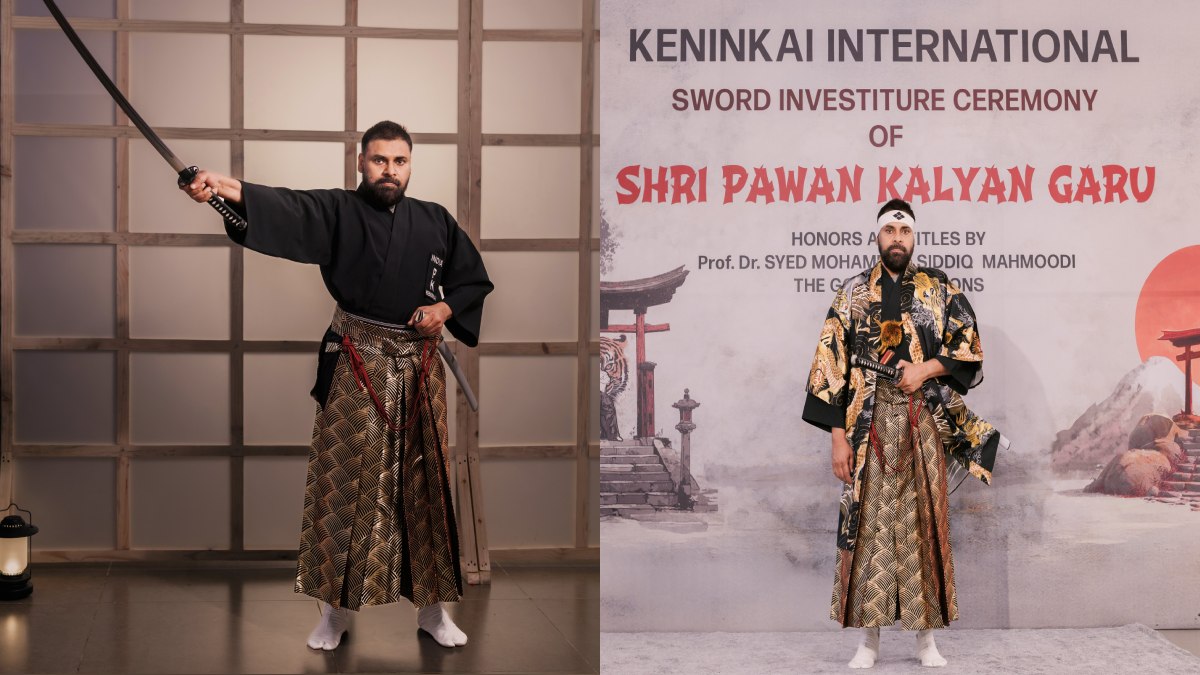
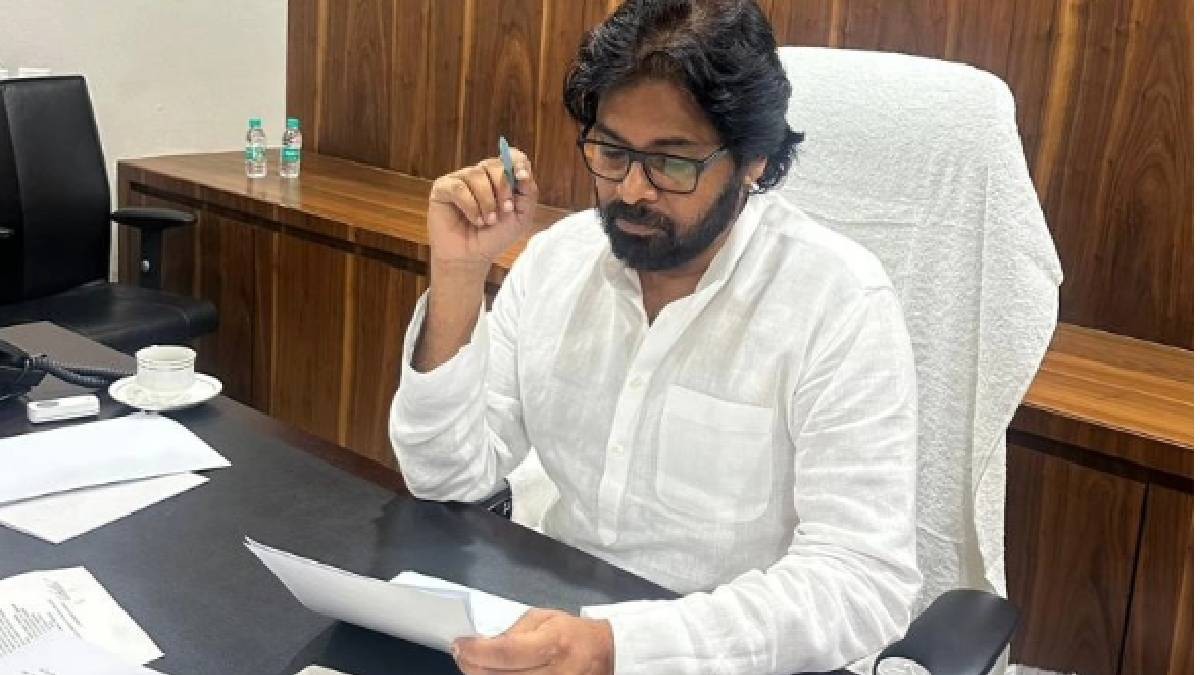
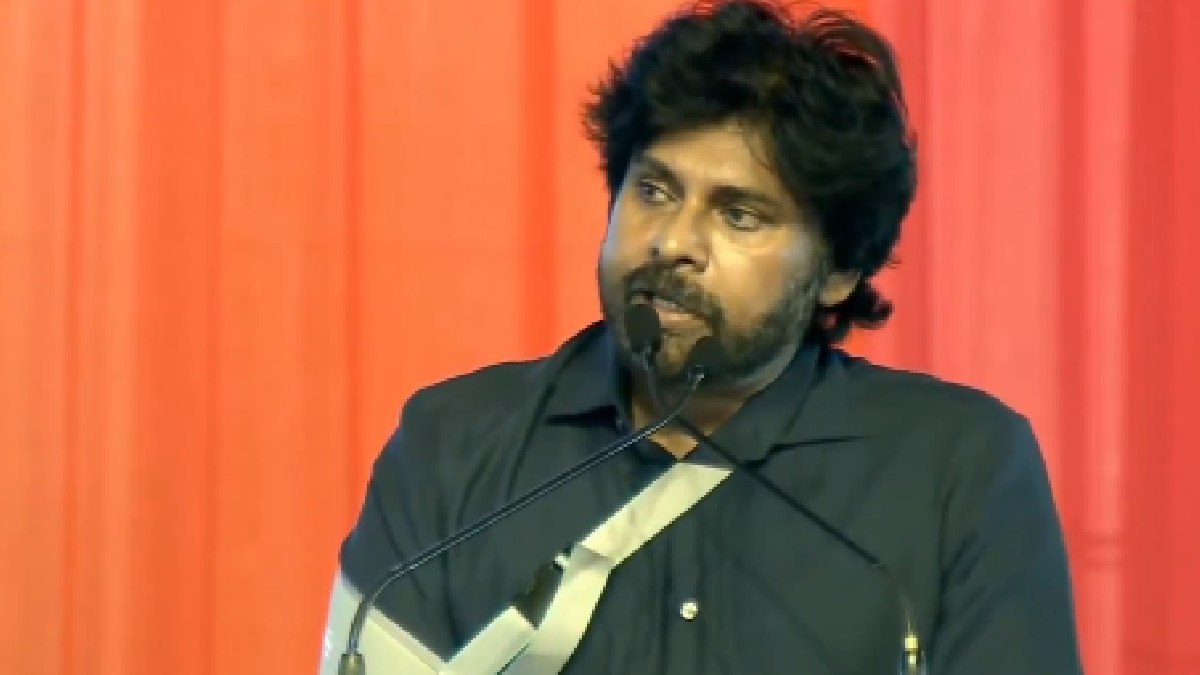
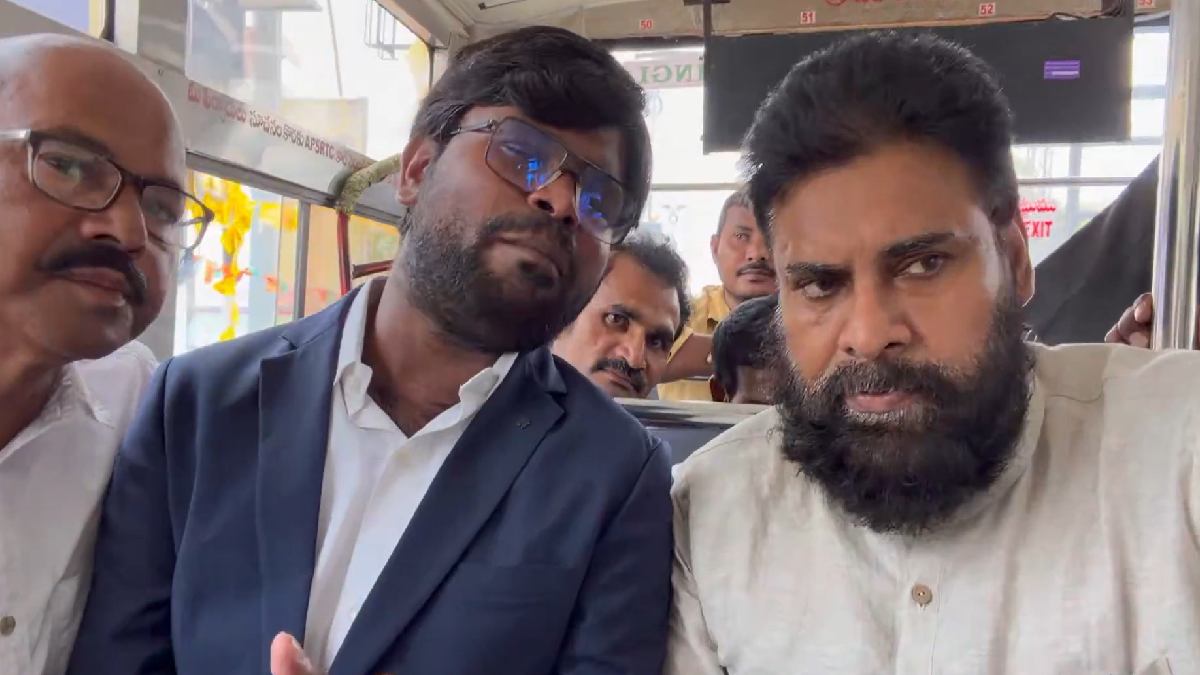
Andhra Pradesh Deputy Chief Minister and Jana Sena Party chief Pawan Kalyan has said that political differences are a natural part of democracy but that such disagreements should never translate into opposition to the nation itself.
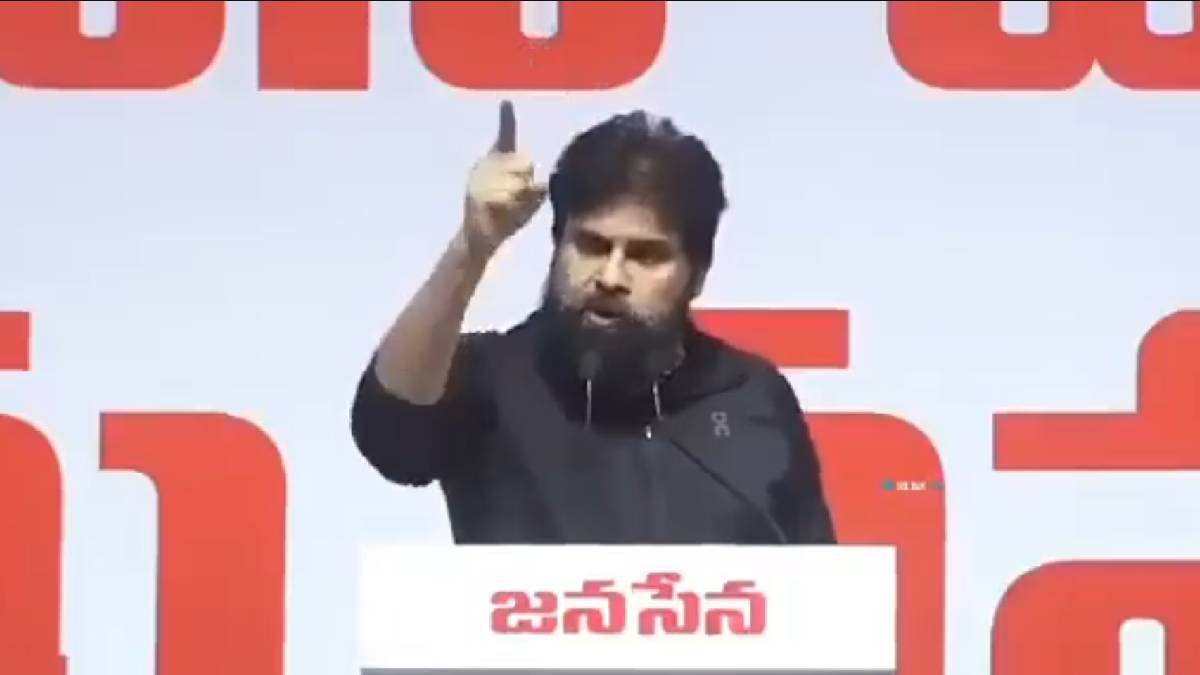
Pawan Kalyan talked about political discourse and national interest and said citizens are free to voice their opinions against political leaders and parties, including Prime Minister Narendra Modi, the BJP (Bharatiya Janata Party), and even himself. But he also said every Indian has to stand in opposition to propaganda that damages the country's interests.
PAWAN KALYAN : "It's perfectly fine to disagree with PM Modi, the BJP, or even with me. But no political disagreement should ever turn into opposition to India itself. Every Indian should speak out against anti-India propaganda" 🔥 pic.twitter.com/r9x1VlG6ej
— News Algebra (@NewsAlgebraIND) July 25, 2026
"It's perfectly fine to disagree with PM Modi, the BJP, or even with me. But no political disagreement should ever turn into opposition to India itself. Every Indian should speak out against anti-India propaganda," Pawan Kalyan said.
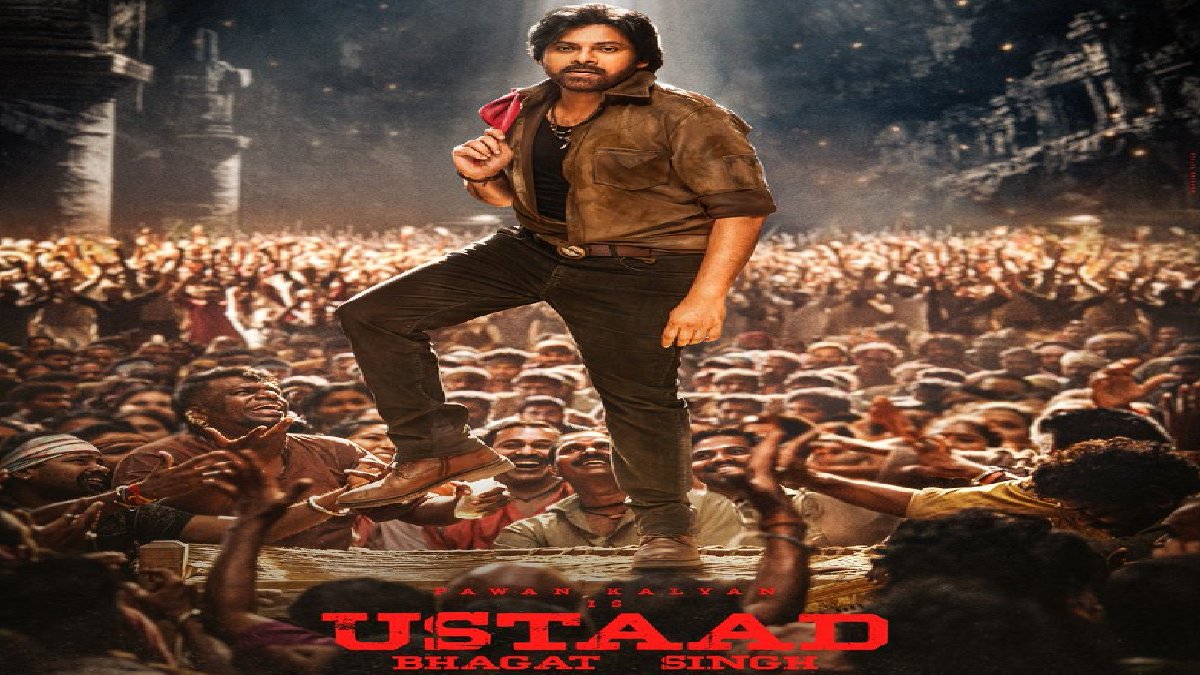
He draws attention to the distinction between political opposition and national interest and says democratic debate and criticism are legitimate but should not be confused with actions or narratives perceived as being against the country.
India's democratic system promotes robust political discourse, and parties and leaders in a democracy are often vocal about the importance of having differing opinions and platforms on governance, policies and public issues. Pawan Kalyan’s comments underscore the fact that criticism of governments and political leaders is accepted as part of democracy, but keeping national unity is an integral part of democracy, and the nation united should be a shared responsibility of all parties and politicians irrespective of what is going to happen.
The chief of the Jana Sena Party has stressed this point on several occasions, arguing for the balance between political competition and national interests and that patriotism and democratic dissent can coexist, and citizens should distinguish between opposing a political ideology and opposing the nation itself.
The comments will likely resonate in the political world, and nationalism, public discourse, and political accountability are at the heart of most conversations. Political observers say that statements calling for unity on matters of national interest are often part of larger debates about democratic values and responsible politics.
Political activity in the country has increased, and different parties have various visions of governance and people in their respective political systems who are going to appeal to people on economic development and national security. Pawan Kalyan also addresses that by reiterating that political discussion should take place within the democratic system and should never threaten the country's interests.
As an example of democracy, and as a reminder that democracy is built on debate and disagreement and a shared concern for the country’s integrity, and to stand together against any propaganda that is harmful to India.