Narendra Modi yesterday highlighted the unanimous approval of the New Delhi Declaration at the 18th BRICS Summit and said this was an indication of growing international confidence in India. “India’s economy is growing and we are more and more involved in the global community and so the BRICS outcome is a signal,” he said.
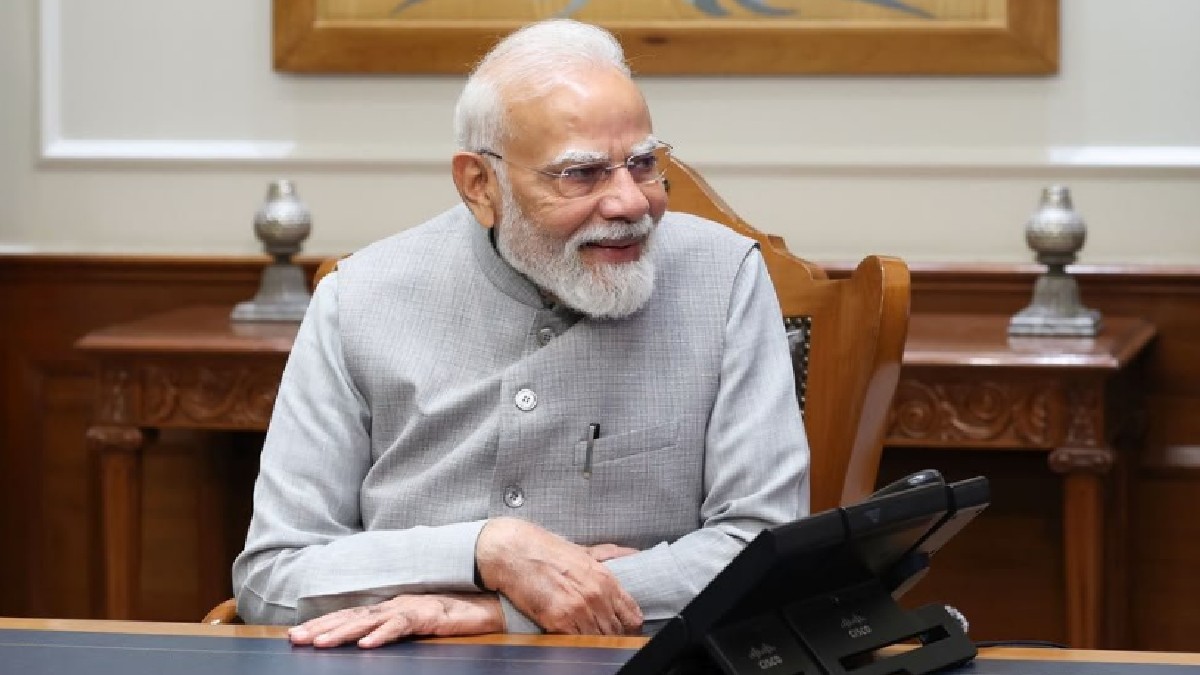
Modi said India’s recent economic performance showed resilience despite a challenging global environment. He highlighted GDP growth of 7.8 per cent quarterly in India and said this was in line with a Japanese credit rating agency improving India’s sovereign credit rating. These developments were a sign of domestic economic growth as well as confidence in India internationally, he said.
Turning to the BRICS Summit, Modi said that the successful hosting of the meeting and the consensus around the New Delhi Declaration were another important example of global confidence in India. The 18th BRICS Summit was held in New Delhi on September 12 and 13 under the theme “Building for Resilience, Innovation, Cooperation and Sustainability.”
The summit brought together leaders and senior representatives from BRICS member countries at a time when the grouping is expanding its roles in global governance, economic cooperation, technology and global security. The New Delhi Declaration reaffirmed the bloc’s commitment to cooperation based on mutual respect, sovereign equality, solidarity, inclusiveness and consensus.
What Is The New Delhi Declaration?
The New Delhi Declaration sets out areas where BRICS members agreed on common positions and priorities. The document tackles international peace and security, economic cooperation, sustainable development, innovation and reforms in global governance.
One of the main elements was the bloc’s renewed focus on multilateralism. Reforms were called for on international institutions that are more representative, responsive and effective, he added. It also stressed the importance of cooperation among BRICS countries on political and security, economic and financial, cultural and people-to-people.
The declaration also addressed terrorism. It condemned the April 2025 Pahalgam terror attack that killed 26 people and reaffirmed BRICS’ commitment to combat terrorism in all its forms and manifestations. The matter was important for India which has raised the issue of terrorism and cross-border security at international forums.
BRICS Summit Comes At A Significant Time
India’s hosting of the summit also came at the same time when BRICS marked two decades of cooperation. The New Delhi Declaration stressed that the group is expanding its cooperation and efforts to strengthen the voice of developing and emerging economies as well as the voices of developing and emerging economies in global governance.
For New Delhi, the summit was an opportunity to bring big global issues out into the discussion with a range of economies. International governance, economic development, technology and other aspects were discussed in the declaration.
Modi’s remarks at SEMICON therefore put the BRICS outcome alongside India’s economic and technological ambitions. In the last few years, the Prime Minister has increasingly linked India’s global engagement with efforts to strengthen manufacturing, investment, innovation and strategic technology capabilities.
Modi Speaks At SEMICON India 2026
The Prime Minister made remarks when he inaugurated the fifth edition of SEMICON India 2026 at Yashobhoomi in New Delhi. The three-day event will take place from September 17 to 19 and will be organized under the theme “Silicon to Systems: Building the Ecosystem.”
VIDEO | Delhi: Prime Minister Narendra Modi inaugurates SEMICON India 2026 and says, "India's quarterly GDP report was released in September itself, and even during this challenging period, India achieved 7.8 per cent growth. During the same period, Japan's credit rating agency… pic.twitter.com/i1K8ZXr1f1
— Press Trust of India (@PTI_News) September 17, 2026
The event brings together semiconductor companies, investors, policymakers, technologists and technology stakeholders from India and abroad. More than 600 exhibitors, about 300 international companies and delegations from more than 40 countries will be present in the 2026 edition according to the government.
The semiconductor event comes as India is working to expand its presence in the global chip supply chain. The government has said that 12 projects have been approved under the Semicon India Programme and three projects approved under the first phase have begun commercial production. The Union Cabinet also approved Semicon 2.0 to accelerate the development of the country's semiconductor ecosystem.
Modi’s comments related India’s economic growth, technological development and diplomatic engagement to the larger theme of global confidence. His reference to the unanimous adoption of the New Delhi Declaration underlined the importance that his government places on consensus-building within multilateral groups.
The BRICS declaration itself remains a collective document that represents the positions of all involved countries. Though each member may have his/her own agenda on certain international issues, the common declaration shows where consensus was reached at the New Delhi summit.