Madhya Pradesh is seeking trained captive elephants from four states in southern and eastern India to strengthen wildlife management and patrolling operations across its tiger reserves and national parks.
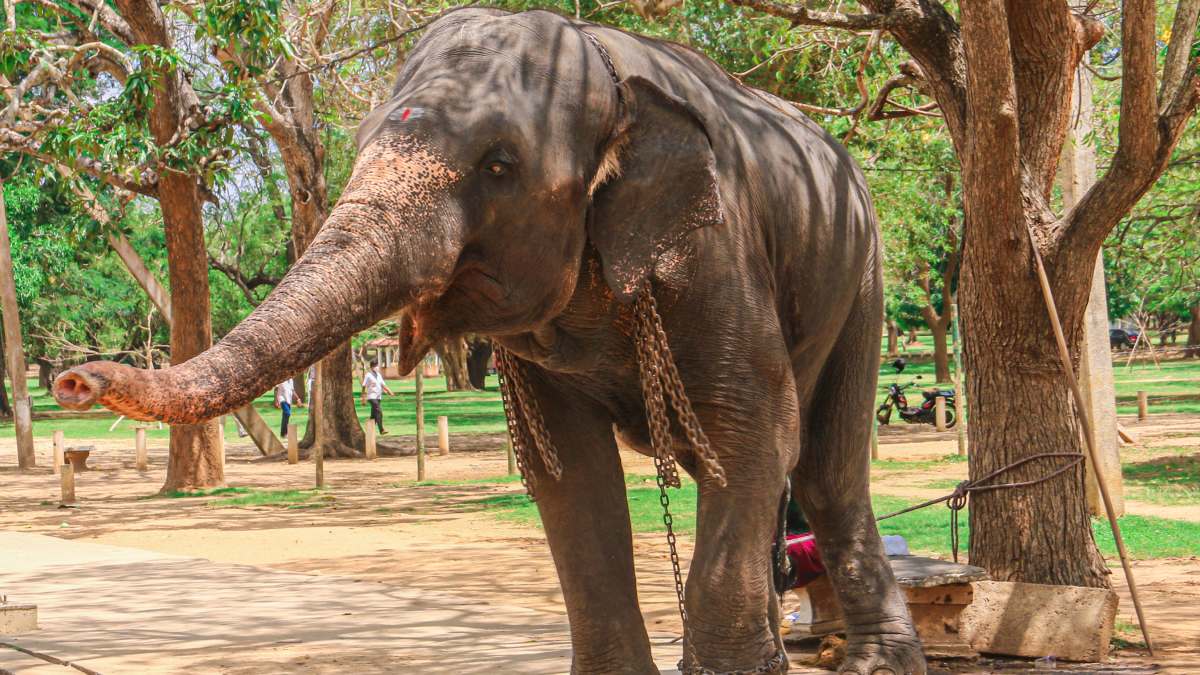
The Madhya Pradesh Forest Department has approached Tamil Nadu, Kerala, Assam and West Bengal to find out if any trained elephants from their existing elephant camps can be transferred to the central Indian state.
The request has been made as wildlife populations in Madhya Pradesh’s tiger reserves and national parks are increasing rapidly, which needs additional field resources, especially in difficult and forested areas.
Sameeta Rajora, the state’s principal chief conservator of forests (wildlife) and chief wildlife warden, has written to her counterparts in the four states seeking information on elephants that could potentially be made available for transfer and rehabilitation in Madhya Pradesh.
The proposal is about healthy and trained captive elephants to be deployed for a multitude of wildlife management tasks.
Elephants To Support Patrolling And Rescue Operations
At the Madhya Pradesh Forest Department’s request, trained elephants could strengthen patrolling in areas where conventional vehicles and personnel face difficulties because of the terrain.
The animals can also assist forest officials in tracking tiger movements, responding to wildlife emergencies, and handling human-wildlife conflict situations, they said. Their ability to move through dense forests and difficult landscapes makes them useful for operations that may not be easily handled by vehicles.
The department has asked Tamil Nadu, Kerala, Assam and West Bengal to assess whether any elephants kept in their camps could be transferred to Madhya Pradesh.
As soon as an elephant is moved to a new location, officials need detailed information about its condition and characteristics. Madhya Pradesh has therefore sought information including the animal's age, gender, microchip number, health status and behavioural temperament.
All of these details would help officials to judge whether an elephant is suited for transfer and whether it can adapt to a different forest environment and management system.
The proposed transfers would add to the elephants already being used by Madhya Pradesh for conservation and protection activities.
MP Already Uses Elephants For Wildlife Management
Madhya Pradesh has previous experience in bringing trained elephants from other states for wildlife management. In the last few years, the state received 11 trained captive elephants from Karnataka after clearance from the Union government.
The elephants are used for several conservation-related tasks. At Kanha Tiger Reserve, for example, elephants are deployed for patrolling, monitoring and animal translocation, as well as special patrolling during the monsoon season.
Kanha currently has 16 elephants, comprising nine males, six females and a newborn calf, according to All India Radio. The reserve also undertakes regular health and rejuvenation programmes for the elephants, including veterinary examinations and training for mahouts and elephant keepers.
The use of trained elephants is particularly relevant in areas where forest officials have to work in tough terrain where vehicles cannot go. For wild animals that require close monitoring or specialised handling, their use can also be useful.
Demand Comes Amid Growing Wildlife Management Challenges
Madhya Pradesh has a huge tiger reserve network and national parks to protect itself and wildlife as well. In several forest landscapes, people and wildlife are interacting more and more with one another.
Madhya Pradesh is home to a number of major tiger reserves and the forest department has developed dedicated systems for wildlife protection and anti-poaching operations. The state tiger strike force, for instance, operates through regional units in Indore, Bhopal, Jabalpur and Shivpuri.
The wider central Indian landscape also sees movement of wild elephants into Madhya Pradesh. A Ministry of Environment, Forest and Climate Change document notes that elephants have recently entered parts of eastern Madhya Pradesh from neighbouring Chhattisgarh, especially in areas like Singrauli and Anuppur.
The situation illustrates the different roles elephants can play in forest management. Wild elephant movement into the state is primarily a human-wildlife management issue, and the elephants being sought from other states are trained captive animals intended for specific conservation duties.
Madhya Pradesh's current request is therefore to enhance its field capacity. If elephants are provided by the four states, their health, temperament and other details will be assessed before any transfer takes place.
For now, the Forest Department is seeking information from Tamil Nadu, Kerala, Assam and West Bengal about elephants that may be available. Any eventual transfer would require the necessary approvals and arrangements for rehabilitation and deployment in Madhya Pradesh.