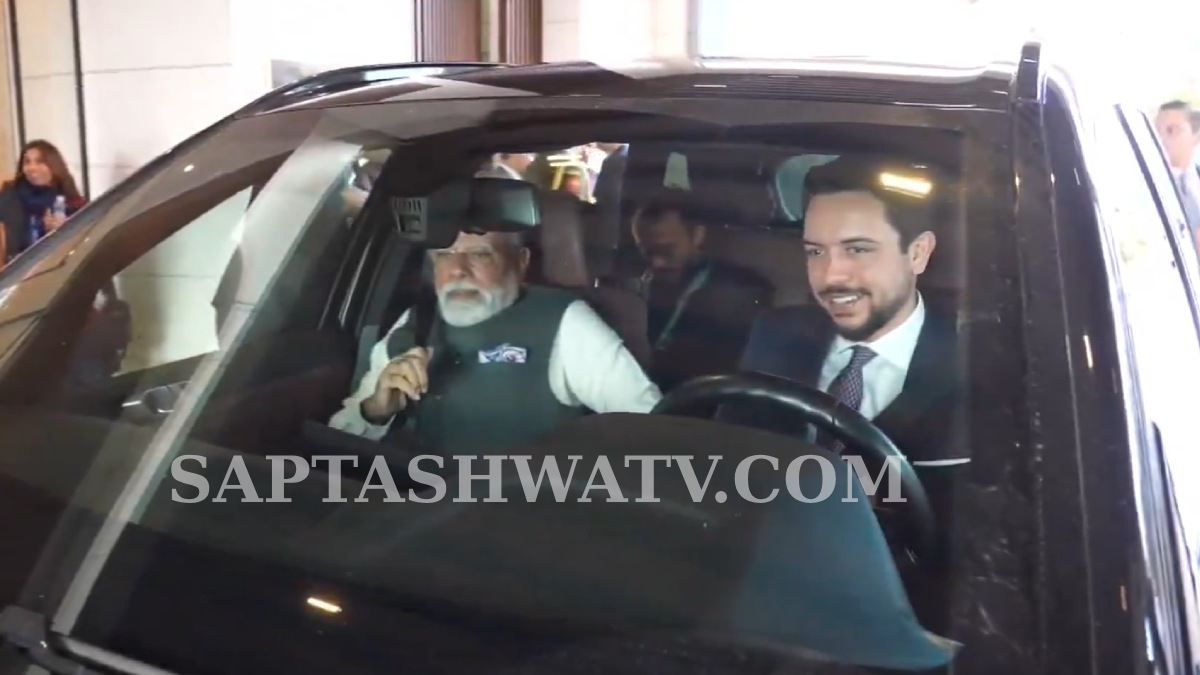
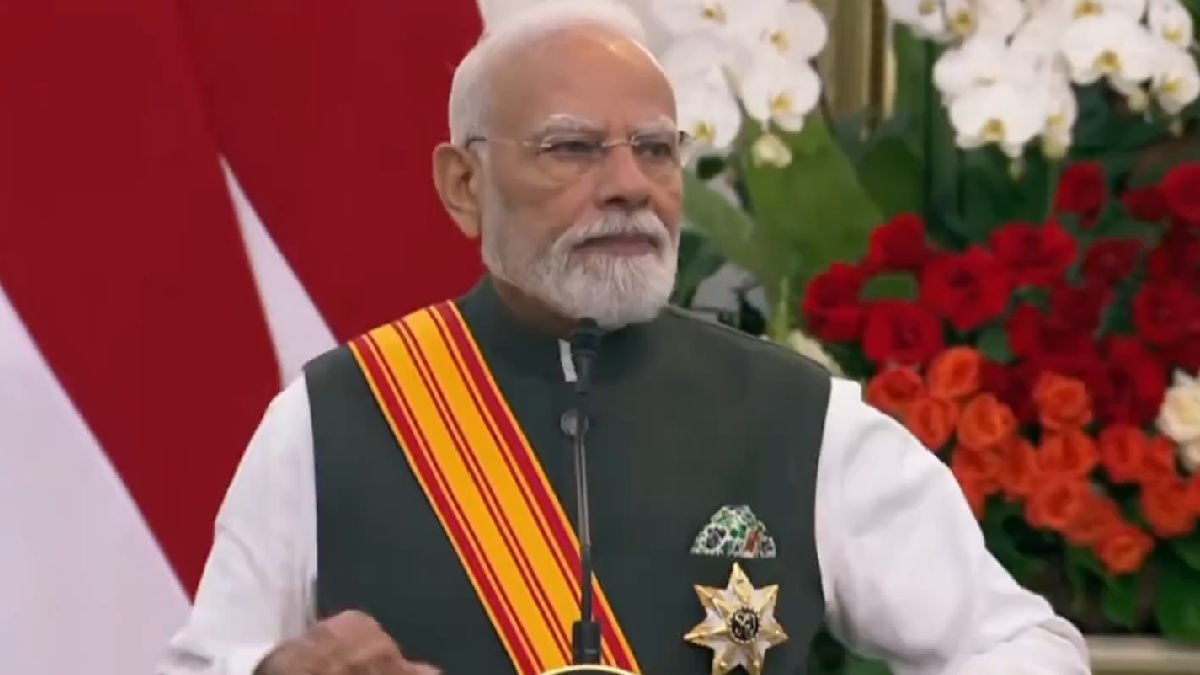
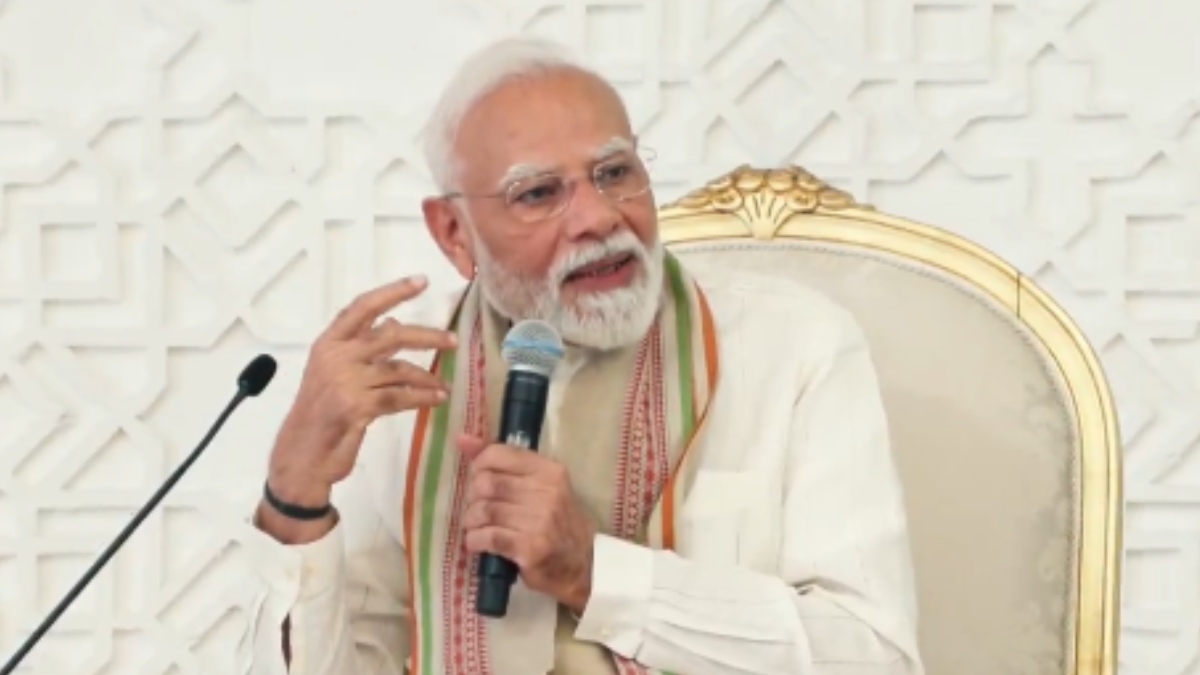
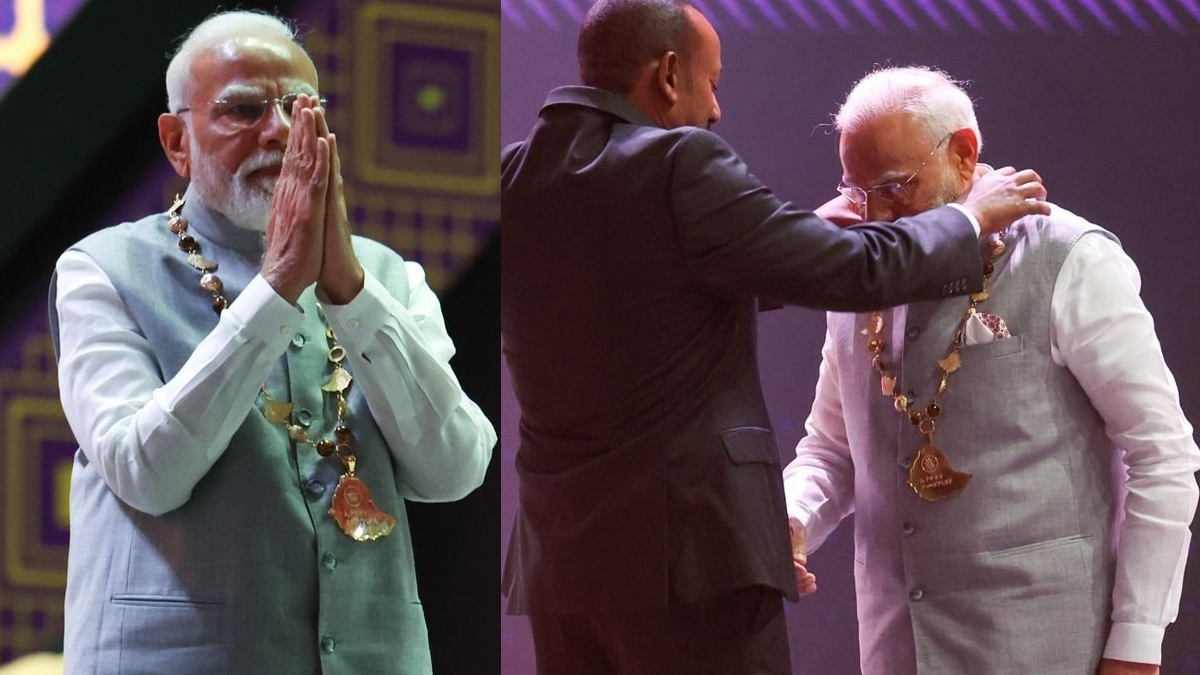
“This historic deal,” the Prime Minister said, could reshuffle relationships between the two countries and deliver a “tsunami of opportunities” for India’s youth, startups and industries. It is a deliberate trade agreement and not a one-off which serves to be even more so in the European value chain as it provides zero-duty trade access to a vast market of over 450 million customers as part of our strategic pivot plan. “

And it’s more than just a trade paper; this is a blueprint for envisioning the next 100-odd years of growth. “By joining Indian tech and European tech, we are developing a synergy at an unprecedented scale. On all these counts, this is the Mother of All Deals.” The prime minister emphasized some targeted sectors that needed to gain quickly:
- Textiles and Apparel: A lead in Europe over local competition.
- Pharmaceuticals: Quicker regulatory approvals that will help India to become “the pharmacy of the world.”
- Digital Services: Benefits of mobility for IT practitioners, systems for data integration.
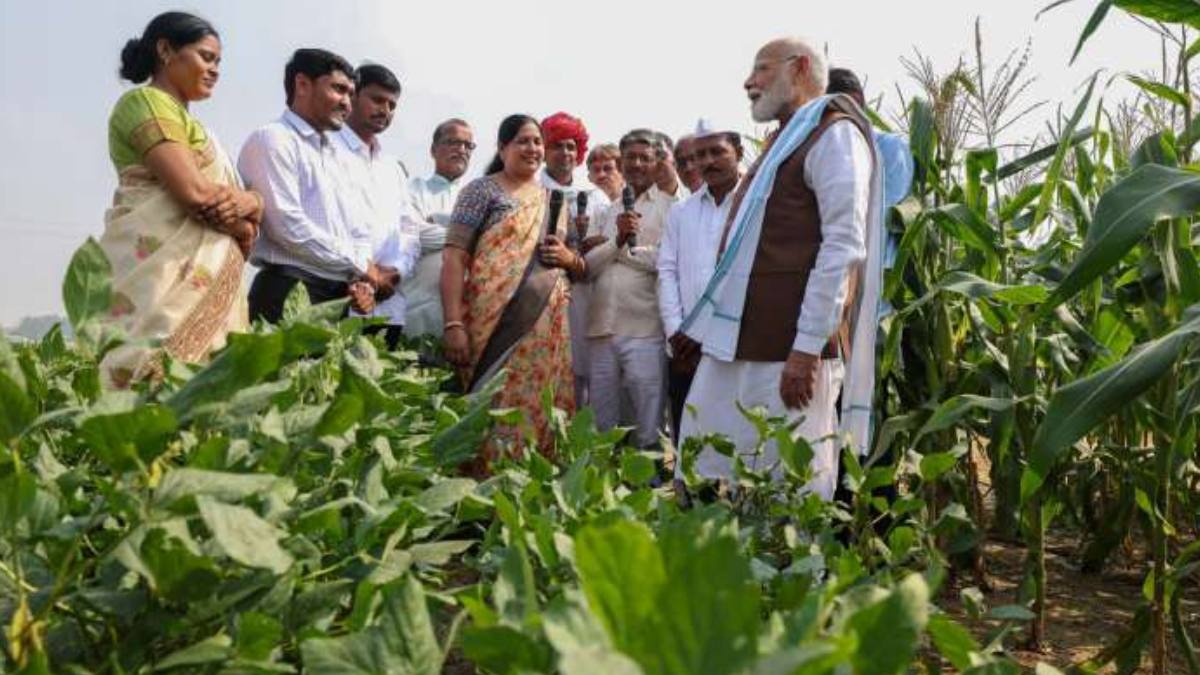
- Agriculture: Fresh opportunities for Indian organic vegetables and refined foods.
Large Job Opportunities for SMEs and startups
Another point of PM speech focused on impact on SMEs when PM speech was delivered. It also removes “archaic” trade barriers and lowers the cost of doing business, he said. “Atmanirbhar Bharat is at its core our MSMEs. “Today, with this deal, a small entrepreneur in a remote Indian village can always picture his products being on shelves in Paris, Berlin or Rome.” The deal is also biggie: an Investment Protection Agreement that the PM says will de-risk European investments in India’s infrastructure and green energy fields.
Role in economy and strategy
The timing is key as global supply chains move to what analysts call “friend-shoring.” And in aligning with the EU — India’s third largest trading partner the government is depicting India as a stable, free option for businesses at global production. The European Union leadership has said such a deal has powerful sustainability and climate action chapters to offset an environmental cost due to a jump in the economy.
Looking Ahead
While the overall infrastructure was covered, Prime Minister said Indian industry had to raise its quality to EU standards. “The door is open; it is on our industries to stroll through confident and world-class,” he said. It will be ratified formally by the European Parliament and the Indian Cabinet in the months ahead, beginning with a phased rollout in mid-2026.