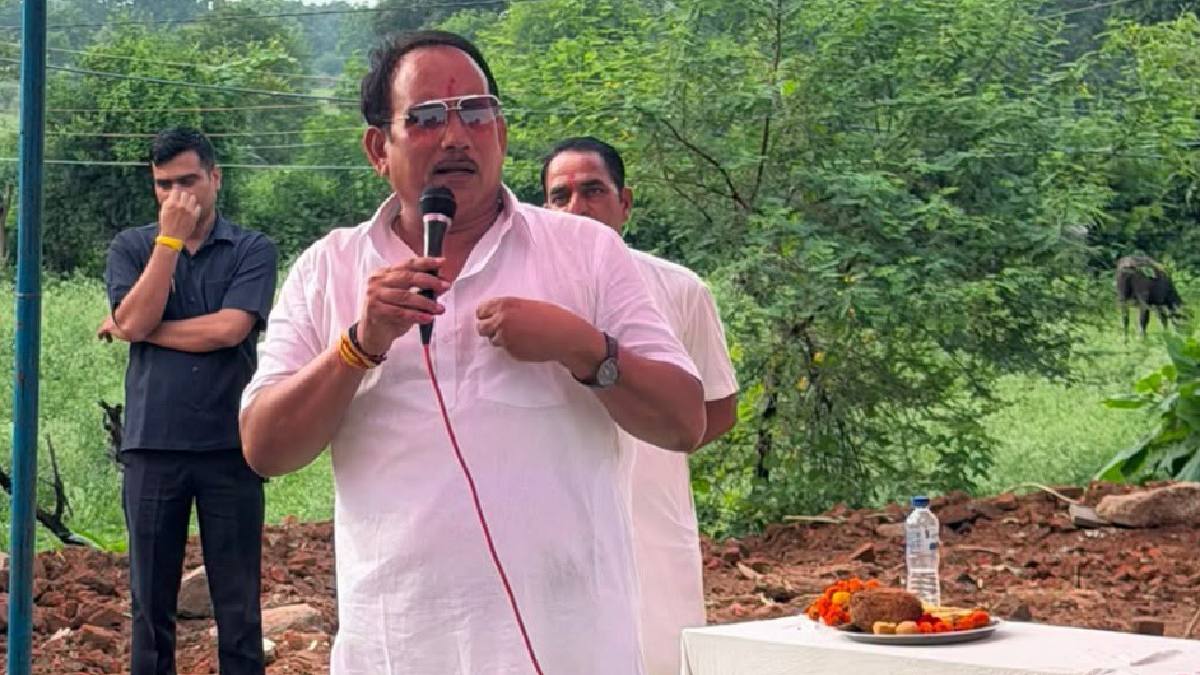
Narendra Modi, the Indian Prime Minister, said that the country should stay alert and alert. He talked as people of India in their own right and just like everybody else of the Middle East doing, the region in a similar way to today’s state of world tension, as COVID-19 is no different from the stress in the Middle East as in the present context of today’s turbulent situation and it is still a time of great uncertainty which will not end until the effects of global turbulence have come to an end.
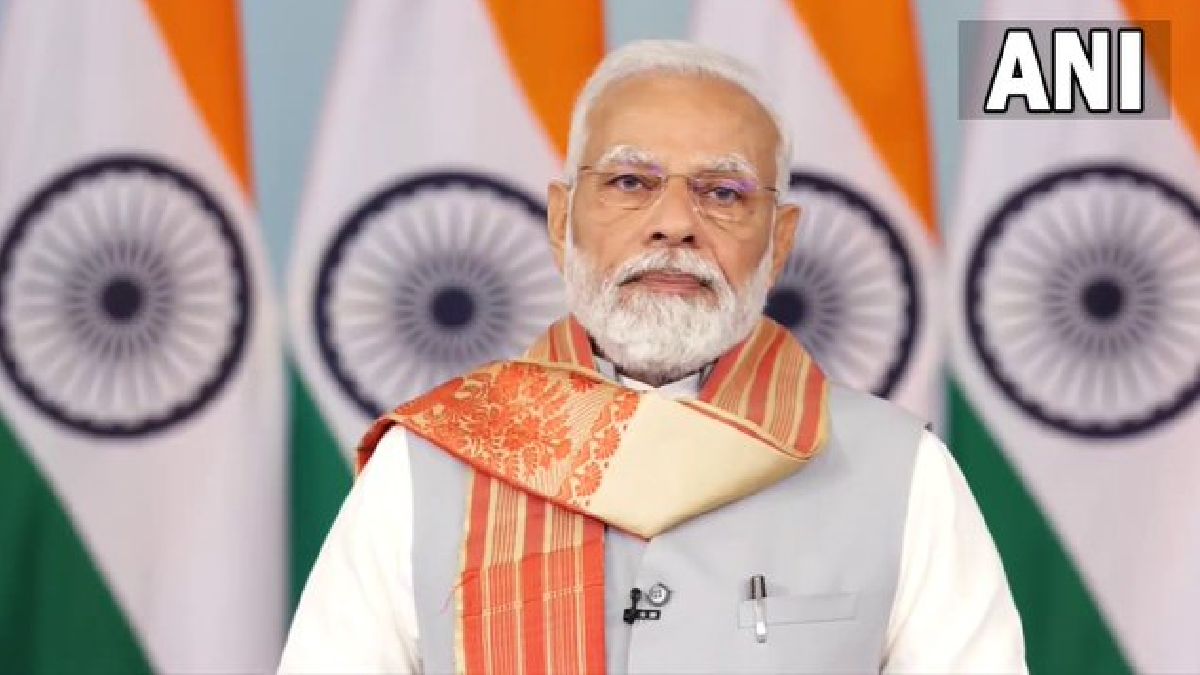
PM Modi highlighted how preparedness, resilience and coordinated response were things to be learnt from the COVID-19 situation. “ Stay ready (like those in COVID days)”, he said, saying it helped having such cohesiveness and the people to cooperate at the best possible time.
Why did PM Modi refer to COVID-19?
The Middle East crisis of its effects on oil supply, world trade and global economy on countries like India which are part and parcel of the Middle East situation may potentially pose indirect risks we have and have to face today. And as India as a major crude oil buyer is affected on the global energy market as we represent major oil players, it is in part impacted by such changes in that energy to keep the nation’s energy environment in flux in this way as we become dependent on it.
Preparedness and Coordination. PM Modi’s reply was that India may not directly participate in the conflict but will be heavily involved in the rise of fuel prices and price adjustments through supply chains and supply chains. He added it is all on hand for an administration’s government agencies to provide whatever is going to happen of course in case of any kind of disruption but I am also sure that business and residents are ready.
India showed remarkable coordination in the pandemic region between central and provincial governments, doctors and private organizations. In an international pandemic, such coordination might well be needed to achieve.
Economic and Strategic Implications
Since there is a good chance that this tension in Middle East will escalate energy prices and potentially the world markets escalate in many ways, the Middle East tensions will also alter global markets. An oil supply short squeeze could damage the Indian economy, increase import cost and inflation, and affect economy as its demand for oil prices or it will have similar effects on the rest of country.
Looking back at COVID-era preparedness and its impact on decision making, government is responding wisely and to such extent on supply chain management (if not the response to any problem at hand) so an intelligent plan for coping, the right reserves in place in time to be able to react.
Public Response and Significance
The Prime Minister’s proposals have been discussed for their strategic meaning. Good collective self-discipline and preparedness can come in very handy in large-scale crises, what shows the impact they would have had as an effective way out. But the rest— and they say, they can be thought of as the precautionary exercise for governments as well as the people.
However, COVID-19 shows scale of the danger even without a different type of crisis than COVID-19. And such a global event can have wide-reaching effects on the world countries needed to get control of.
PM Modi's exhortation to “stay ready like COVID days” is part of the wider strategy at work to prepare for a time of transition. In the light of our history in mind for lessons to be learned in the future that must only be realized on a long-term basis to keep India stronger and not have the Middle East from entering at any point and that can cause all nations to go out of our way to be on the receiving end.
Thus as tensions rise worldwide this could also put the country into a context of it preparing for and planning as an economic (or strategic) asset, and then strategies and tools as we just discussed in detail to protect the country’s interests.